Four years after the launch of a high-profile war crimes investigation, a former commanding officer of the Special Air Service (SAS) has sharply criticized the government for breaking the “moral contract” it holds with Britain’s most elite soldiers. The prolonged inquiry, which has yet to produce definitive conclusions, is accused of undermining trust and damaging the reputation of those who risk their lives in service of the nation.
The Unfolding War Crimes Inquiry: Background and Impact
The inquiry into alleged war crimes by members of the SAS was initiated amid mounting public and political pressure to investigate serious accusations related to military operations overseas. Despite its significance, the process has dragged on for over four years without delivering clear findings or accountability. This extended duration has not only frustrated those involved but also raised questions about the inquiry’s effectiveness and fairness.
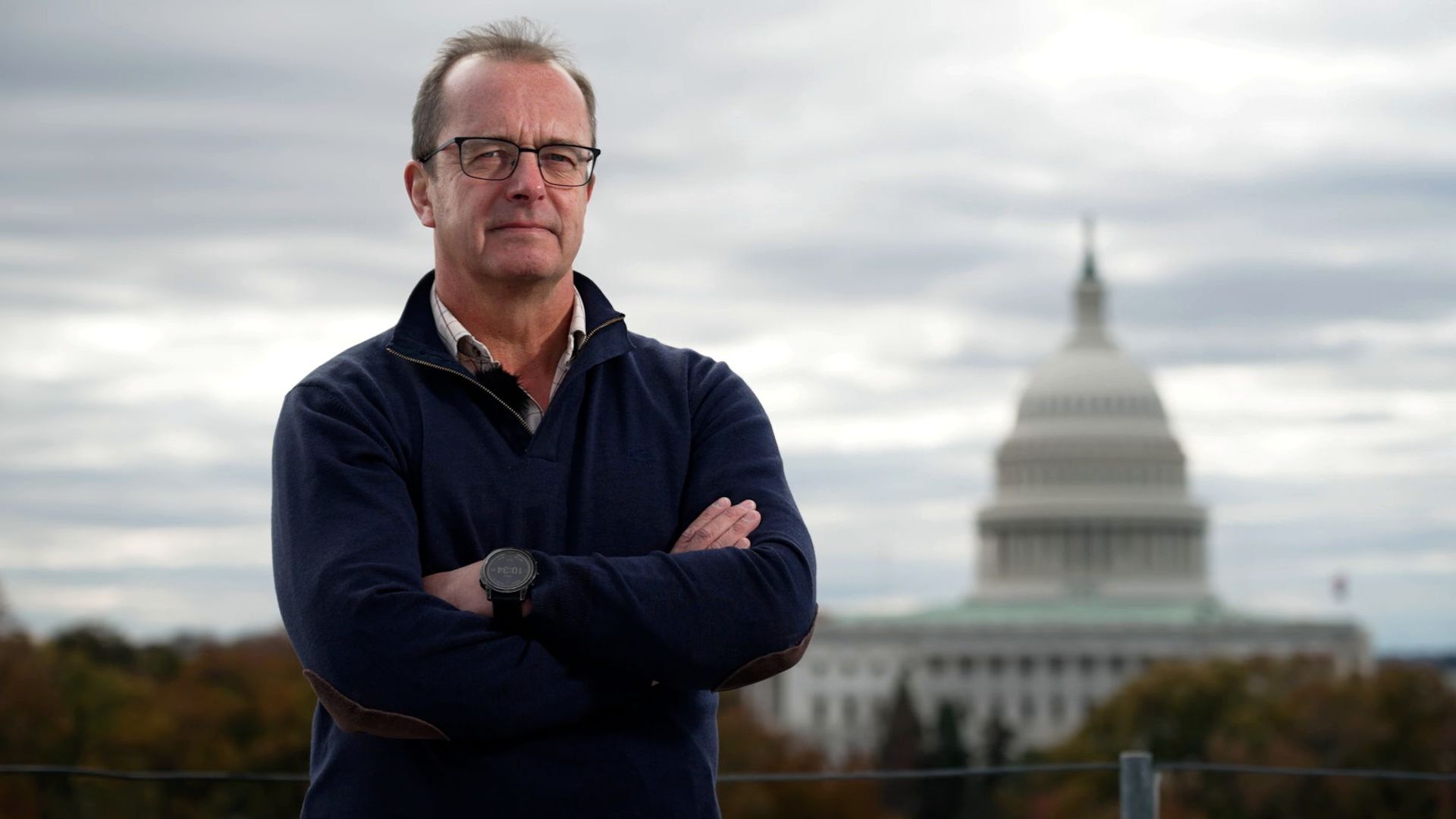
The former SAS commander argues that the government, by sustaining such an open-ended and inconclusive investigation, has effectively broken a solemn trust with its soldiers. This “moral contract” refers to the understanding that the state will protect and support its military personnel, especially those operating in the most dangerous and morally complex environments.
Why the “Moral Contract” Matters to Soldiers and the Nation
Elite military units like the SAS operate under immense pressure, often executing covert and highly sensitive missions. Soldiers accept extraordinary risks, motivated not only by duty but also by confidence that their government will stand by them, particularly when allegations arise. The perceived violation of this pact risks eroding morale and could deter future recruits from elite forces, who might fear being left vulnerable to protracted legal scrutiny without clear resolution.
Critics of the inquiry argue that the prolonged investigation fails to balance the need for justice with the rights and dignity of soldiers who serve the country’s interests. The lack of closure leaves many veterans feeling stigmatized and unfairly targeted, despite the absence of proven wrongdoing. This dynamic complicates the delicate relationship between military service and political accountability.
What This Means for Military Ethics and Public Trust
The controversy surrounding the SAS inquiry highlights broader tensions between transparency, accountability, and the protection of those who serve on the front lines. While the public rightly demands scrutiny of military actions, the government must also ensure that investigations are conducted swiftly, fairly, and with respect for the individuals involved.
The former commander’s condemnation serves as a warning: prolonged, inconclusive probes risk undermining not just soldier confidence but also public trust in the military institution. Maintaining morale within the armed forces and preserving the integrity of military operations are essential for national security and international reputation.
Looking ahead, this situation calls for a reassessment of how such inquiries are managed. Clearer guidelines, faster processes, and transparent communication could help restore faith in the system, uphold justice, and honor the sacrifices made by elite soldiers.
Closing Thoughts: Upholding Trust Between the State and Soldiers
The unresolved SAS war crimes inquiry symbolizes a critical challenge facing the UK government: balancing the demands for accountability with the duty to protect those who serve in its name. The former SAS chief’s stark critique underscores the need to repair the fractured “moral contract” with soldiers by ensuring that future investigations are both effective and respectful.
As this situation continues to evolve, it remains vital that policymakers, military leaders, and the public work together to foster an environment where elite forces can operate with confidence, knowing their service is honored and their rights safeguarded.