A tragic incident unfolded near Sunderland when a man lost his life after being struck by an ambulance transporting a patient to the hospital. Authorities have confirmed the fatal collision, raising urgent questions about road safety during emergency responses.
What Happened: Collision During Emergency Transit
The fatal accident involved an ambulance en route to a medical facility, responding to an emergency call. While carrying a patient in need of urgent care, the vehicle struck a man, resulting in his death. Police arrived promptly at the scene to investigate the circumstances surrounding the collision.
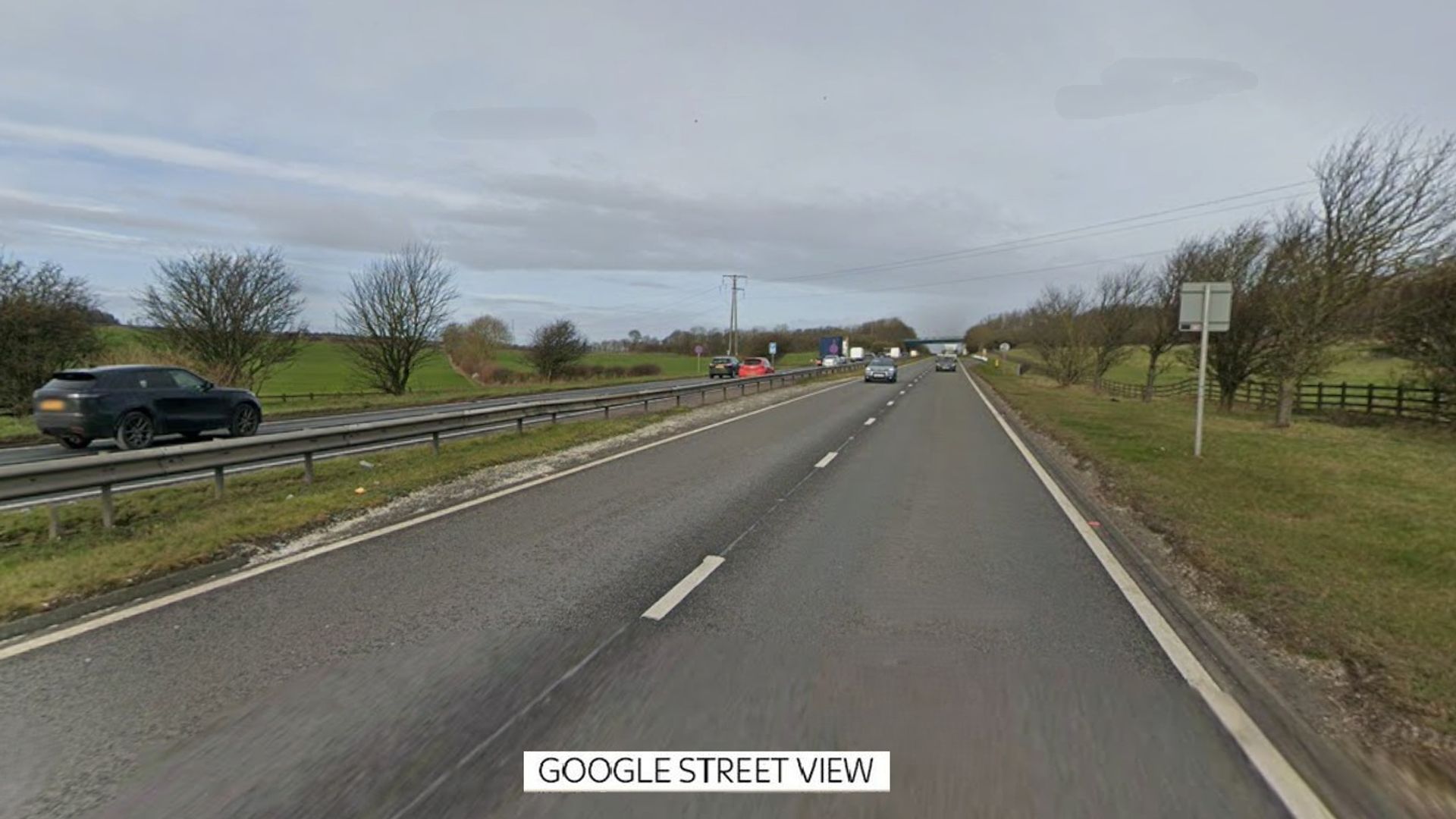
Although specific details regarding the exact location, timing, and cause of the incident have not been fully disclosed, the event underscores the inherent risks emergency vehicles and pedestrians face on busy roads. Emergency responders are trained to navigate traffic quickly and safely, but unpredictable situations can arise, sometimes with devastating consequences.
Why This Incident Matters: Balancing Speed and Safety in Emergency Services
Ambulances play a critical role in healthcare by providing rapid transport for patients who require immediate medical attention. However, these vehicles often operate under time-sensitive conditions, traveling at high speeds and maneuvering through traffic with sirens and flashing lights.
While the urgency justifies swift movement, it also introduces significant risks to pedestrians, other drivers, and the emergency crews themselves. This incident near Sunderland highlights the delicate balance between the need for speed and the imperative of safety on public roads.
Communities rely on emergency services to save lives, but accidents involving ambulances can erode public confidence and raise concerns about road safety protocols. It also prompts a review of how emergency vehicles operate in congested or pedestrian-heavy areas and whether additional measures are needed to prevent future tragedies.
What Comes Next: Investigations and Road Safety Measures
Police investigations are ongoing to determine the precise factors that led to this fatal collision. Authorities will examine aspects such as the ambulance’s speed, adherence to traffic regulations, road conditions, and whether any external factors contributed to the accident.
Depending on the findings, this incident may lead to recommendations or policy changes aimed at improving safety during emergency responses. Potential measures could include enhanced training for ambulance drivers, public awareness campaigns about yielding to emergency vehicles, and infrastructural modifications to better protect pedestrians near busy roads.
In addition, families and communities affected by such tragedies often advocate for stronger safeguards to prevent similar occurrences. As emergency medical services continue to evolve, integrating safety innovations remains a critical priority.
Understanding the Impact and Moving Forward
The death of a man struck by an ambulance near Sunderland is a sobering reminder of the complex challenges emergency responders face daily. It emphasizes the need for vigilance among all road users and continuous assessment of emergency protocols to minimize risks during critical interventions.
While ambulances must maintain urgency in saving lives, this incident calls for renewed efforts to protect pedestrians and ensure that every journey to the hospital is as safe as possible. The balance between rapid response and road safety is delicate but essential.
As investigations continue, this tragedy serves as a catalyst for reflection and action within emergency services and the wider community. Enhancing safety measures will not only honor the life lost but also help prevent future incidents, ultimately strengthening trust in vital emergency healthcare systems.