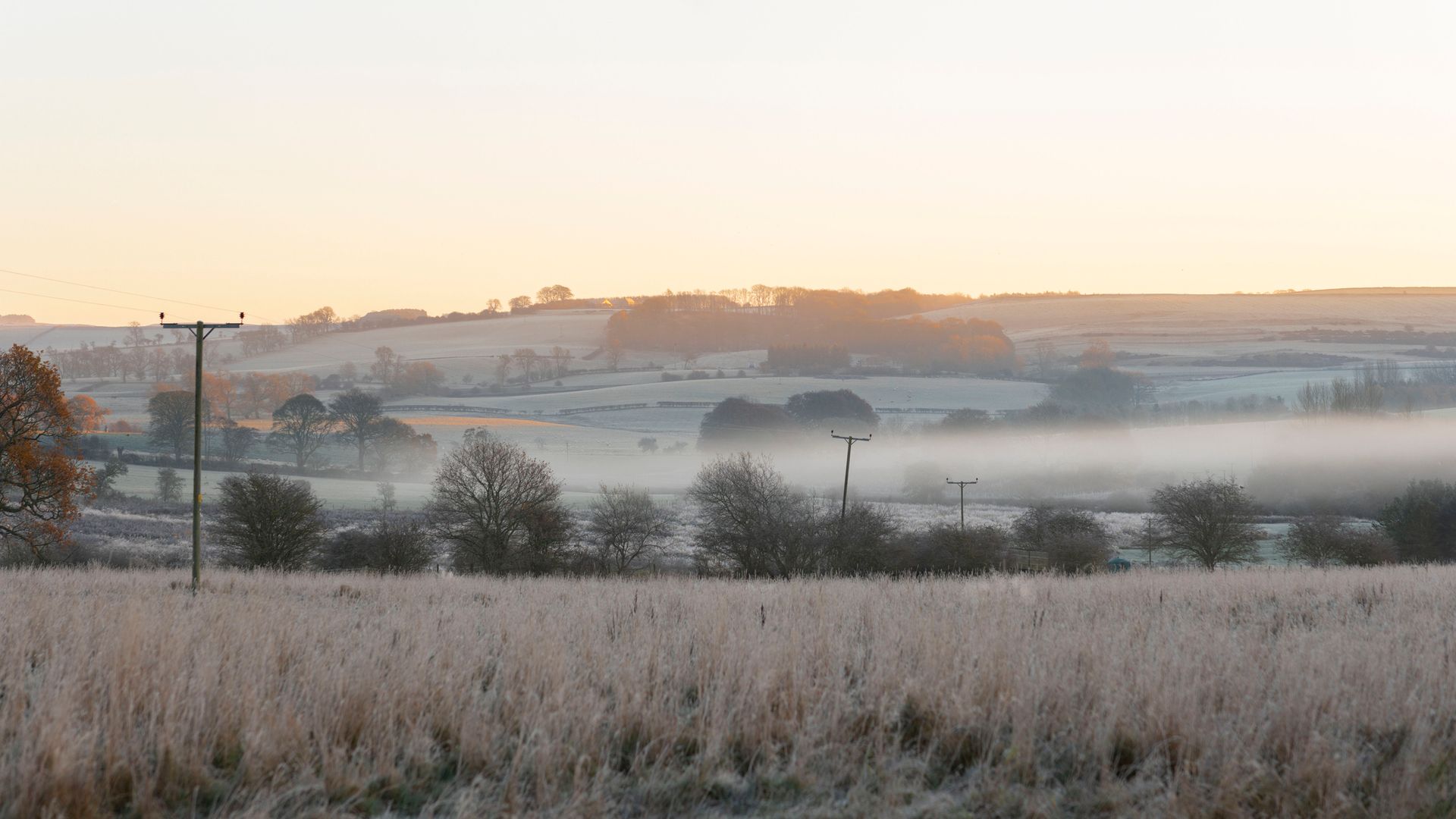
The UK is bracing for a deepening cold snap as temperatures plunge to a biting -6°C, prompting authorities to issue additional cold health alerts from Sunday night through to Thursday morning. This extended period of frosty weather signals a challenging week ahead for residents vulnerable to the harsh conditions.
What’s Driving the Latest Cold Health Alerts?
The Met Office and public health agencies have flagged a series of cold weather warnings to protect the population from the risks associated with sustained low temperatures. The alerts cover large swaths of the country, where forecasts predict subzero conditions will persist well into next week. The combination of icy roads, freezing air, and overnight frosts heightens the danger of cold-related illnesses, particularly among elderly individuals, young children, and those with pre-existing health conditions.
Temperatures dipping as low as -6°C represent a significant hazard, especially in areas unaccustomed to such extreme cold. The health alerts aim to galvanize communities and health services to take preventative measures, from checking on vulnerable neighbors to ensuring adequate heating and warm clothing.
Who Is Most at Risk and Why It Matters
Extended cold spells present serious health threats beyond mere discomfort. Hypothermia, flu complications, and cardiovascular strain often rise during such periods. The elderly, in particular, face increased mortality risks when exposed to prolonged cold. Young children and individuals with respiratory conditions also require vigilance.
Beyond individual health, the cold weather stresses public services, as hospitals may see a surge in admissions related to cold exposure and accidents caused by icy conditions. The economic impact can also be considerable, with increased energy demand and potential disruption to transportation and supply chains.
Medical professionals urge the public to heed the cold health alerts seriously. Simple actions like dressing in layers, avoiding unnecessary travel, and heating homes adequately can mitigate many risks. Community outreach programs often ramp up during such alerts to provide support where it is most needed.
What’s Next: Preparing for Continued Cold and Its Consequences
As the UK enters this extended cold spell, local authorities and health organizations are coordinating efforts to minimize harm. Emergency services are on heightened alert for weather-related incidents, while social care workers prioritize checking on isolated or vulnerable individuals.
Weather experts emphasize that the current pattern may persist, with overnight temperatures remaining below freezing and daytime highs failing to rise significantly. Such conditions maintain the risk of ice accumulation, which contributes to hazardous travel and increased falls.
Residents are encouraged to stay informed through official channels and act proactively. Stocking up on essential supplies, maintaining heating systems, and staying connected with community support groups can make a significant difference during the cold wave.
Why These Cold Health Alerts Are Crucial
Cold weather health alerts serve a critical role in public safety by predicting periods when temperature drops could severely impact health and well-being. Their issuance reflects a proactive approach to reducing preventable illnesses and deaths associated with cold exposure.
Understanding the implications of the ongoing cold weather helps individuals prepare and respond effectively, ultimately reducing strain on health and emergency services. As climate variability continues to bring unpredictable weather patterns, such alert systems become ever more vital in safeguarding communities.
In summary, the UK faces several days of freezing temperatures that demand heightened awareness and preparedness. The new cold health alerts underscore the importance of collective action—from government agencies to individual citizens—in mitigating the risks posed by the deepening frost.
Staying warm, staying safe, and looking out for the most vulnerable will be essential as the country endures this challenging cold spell.