

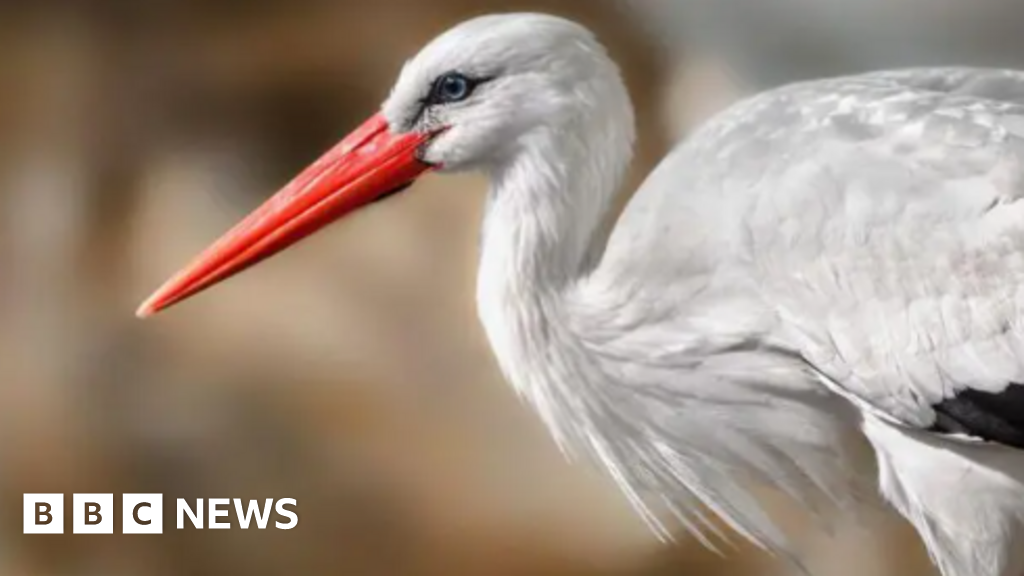
Britain is considering a bold ecological restoration: the reintroduction of white storks, a species that vanished from the British landscape over 600 years ago. This initiative, driven by research from Harper Adams University ornithology student Sophie Rabone, is sparking conversations among farmers, landowners, and local communities about restoring a vital piece of the country’s natural heritage.
Why Bring Back the White Stork?
The white stork was once a familiar sight across Britain’s wetlands and farmland until the 1400s, when over-hunting and widespread habitat destruction led to its extinction in the region. Today, the stork symbolizes not only a lost species but also the profound ecological shifts Britain has experienced over centuries.
Sophie Rabone emphasizes the stork’s historical link to British ecosystems, stating, “As a species historically native to Britain and closely associated with the wetlands and farmland that have suffered most, its return signals a recovering landscape that benefits countless other species alongside it.”
Britain ranks among the most nature-depleted countries globally. Decades of intensive agriculture, urban expansion, and habitat fragmentation have severely diminished biodiversity. The reintroduction of species like the white stork represents a strategic effort to reverse these trends by restoring ecosystem balance and resilience.
Current Efforts and Research Into Reintroduction
While the white stork is not currently widespread in Britain, some small-scale breeding populations have been established at select sites. These pilot projects serve as critical test cases to assess how well storks can adapt and thrive in modern British landscapes.
Rabone’s research focuses on moving beyond limited releases to explore the feasibility of a large-scale reintroduction program. This involves studying habitat suitability, potential impacts on local agriculture, and how storks might interact with existing wildlife and human communities.
Last June, a significant milestone was reached when 10 white storks were released in North Devon, part of a broader long-term rewilding effort in southwest England. This event reignited public interest and demonstrated practical steps toward restoring native species to their former ranges.
Why This Matters for Britain’s Future
Rewilding initiatives like the white stork project reflect a growing recognition that biodiversity loss threatens not only wildlife but also human well-being. Healthy ecosystems provide essential services — from pollination and pest control to water purification and carbon sequestration.
Restoring the white stork carries symbolic and practical significance. Symbolically, it represents a reconnection with Britain’s natural past. Practically, it indicates improving habitat quality and ecosystem health, which benefits many other species, including those currently endangered.
For farmers and landowners, the presence of storks could signal healthier wetland and farmland environments. By supporting such species, agricultural landscapes can become more sustainable and resilient to environmental changes.
Rabone’s work invites stakeholders across Britain to engage in the conversation. The success of reintroducing storks depends on collaboration across sectors, balancing conservation goals with agricultural and community interests.
Looking Ahead: The Path to Restoration
Reintroducing the white stork to Britain is a complex but promising endeavor. It requires careful planning, monitoring, and adaptive management to ensure both the birds and the landscapes they inhabit flourish. The project fits into a larger global movement toward rewilding landscapes to restore ecological integrity.
As Britain confronts its environmental challenges, the white stork’s potential return offers hope and a tangible step forward. It underscores that reversing centuries of ecological decline is possible with commitment, research, and community support.
Ultimately, bringing back the white stork is more than reviving a single species — it is about renewing the natural fabric of Britain for generations to come.