A Speech That Revealed More Questions Than Answers
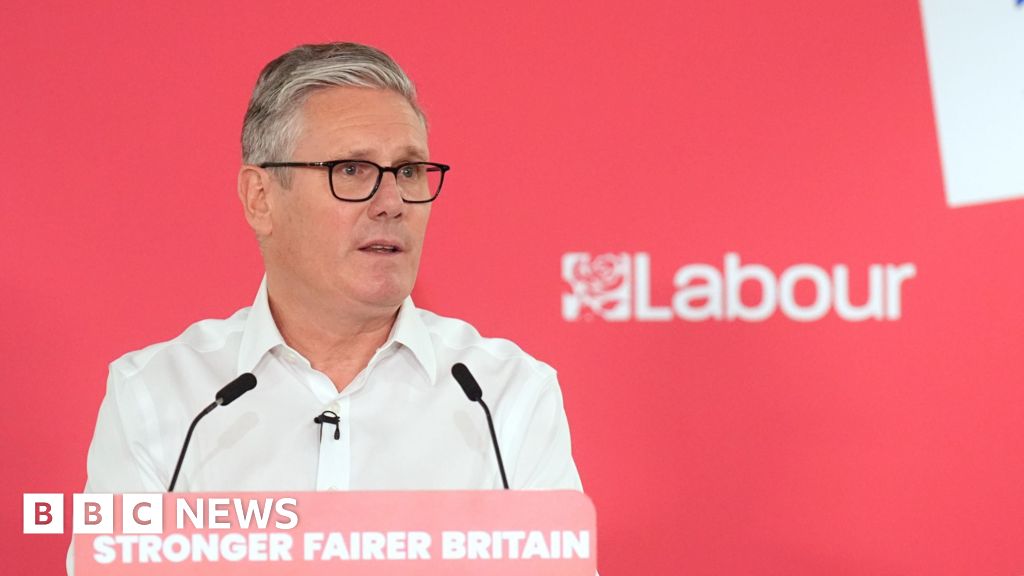
The recent speech delivered by Sir Keir Starmer aimed to solidify his leadership at a pivotal moment for the Labour Party, but instead it exposed underlying tensions and uncertainties about his future as a potential Prime Minister. The atmosphere was thick with anticipation from his loyal base, yet the event ultimately echoed a familiar scene in British politics, one where bold ambitions meet cautious realities.
This moment drew parallels to a notable political episode from 2003, when Iain Duncan Smith, then leader of the Conservative Party, confidently proclaimed, “the quiet man is here to stay and he’s turning up the volume.” Despite that assertive declaration, Duncan Smith’s leadership unraveled within weeks under intense internal pressure, culminating in his resignation. Starmer’s speech, while confident on the surface, sparked similar questions about his staying power and the strength of his mandate within his own ranks.
One striking difference was the noticeably thin attendance by Labour MPs and the conspicuous absence of any cabinet ministers. Among the few present were high-profile figures such as party chair Anna Turley and deputy leader Lucy Powell, who occupied prominent seats in the front row. This lack of broader parliamentary support at such a critical juncture suggested a degree of hesitation or disapproval among party ranks, underscoring the precarious nature of Starmer’s current position.
Examining the Content: Cautious Measures Instead of Bold Vision
Starmer’s address was marked by a tone of measured confidence rather than revolutionary zeal. While he maintained a composed and assured delivery, the substance of his speech left many Labour MPs and political observers wanting more. The most significant policy announcement, the planned nationalisation of British Steel, was anticipated and welcomed by some, but the commitment was tempered by a crucial qualification: the nationalisation would only proceed if it passed a “public interest test.”
This conditional approach signals Starmer’s pragmatic and cautious style of leadership, emphasizing careful evaluation over sweeping reform. It reflects his attempt to balance progressive ambitions with economic realities and political feasibility, but it has also drawn criticism for lacking the boldness that some within the party and the electorate crave.
One of the most contentious aspects of the speech was Starmer’s stance on Europe. Rather than introducing new or transformative policies, he reiterated the existing government line without committing to rejoining the single market or customs union in any forthcoming manifesto. This reticence disappointed many Labour members who hoped for a clearer break from the current government’s Brexit approach, especially given ongoing debates about the UK’s relationship with the European Union.
Labour MPs’ Reaction: A Mix of Frustration and Doubt
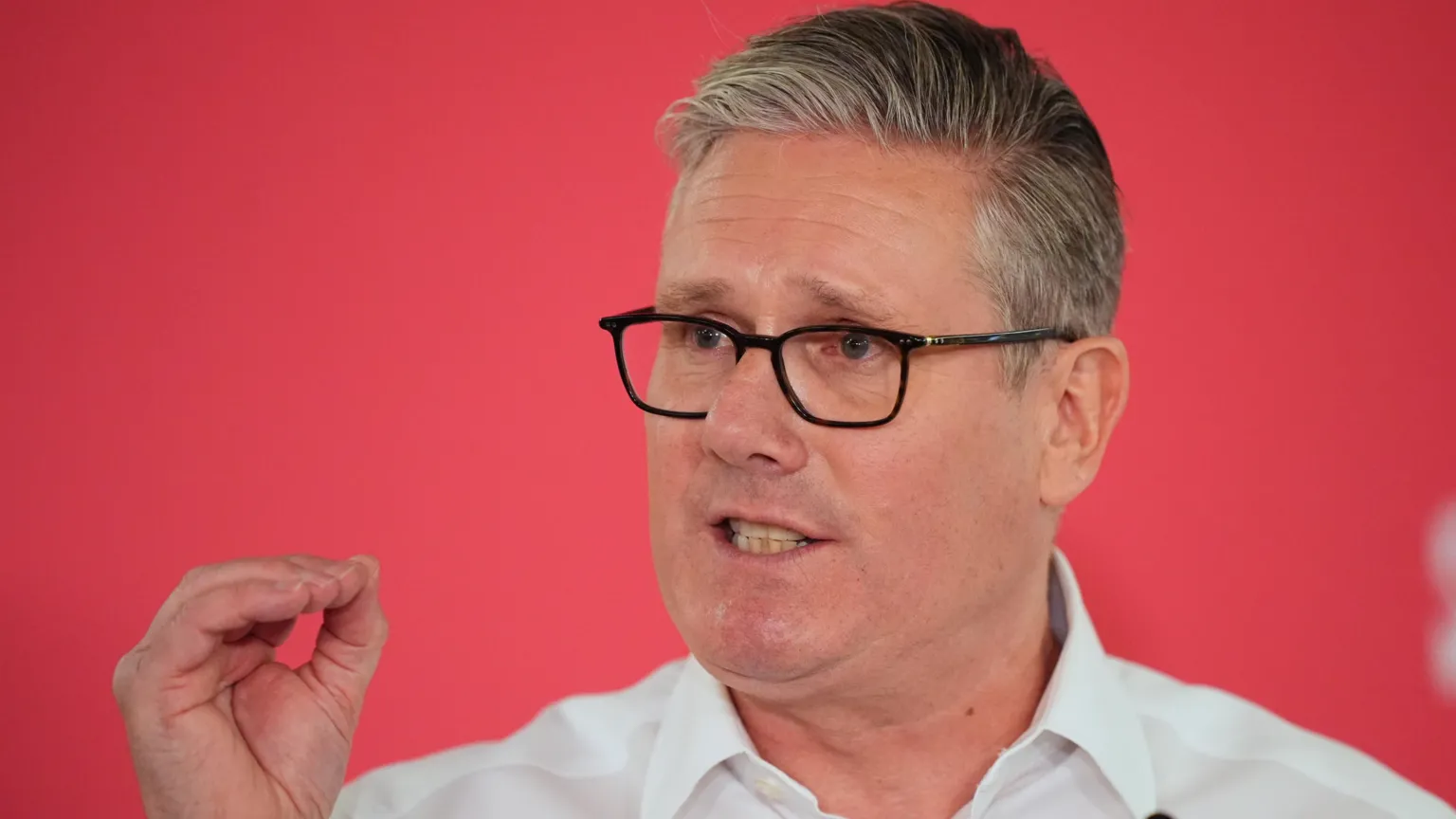
Behind the scenes, Labour MPs delivered a candid assessment of Starmer’s performance. Descriptions such as “woeful” and “didn’t cut the mustard” captured the widespread sentiment that the speech lacked the decisive leadership and innovative policy vision necessary to inspire confidence and momentum.
Several MPs expressed frustration that the speech failed to address pressing issues with the urgency and clarity expected at a time when the party faces significant challenges both in Parliament and with the public. The absence of transformative proposals led to concerns that Starmer might be underestimating the need for bold action to reconnect with voters disillusioned by years of political uncertainty.
What This Means for Starmer’s Premiership
The mixed reactions to the speech highlight a critical crossroads for Sir Keir Starmer and the Labour Party. On one hand, his loyal supporters remain energized, finding reassurance in his steady presence and measured approach. On the other hand, policy enthusiasts and sceptical MPs question whether his cautious tone and incremental promises are sufficient to galvanize the party and win over a fragmented electorate.
The absence of groundbreaking commitments and the lack of visible cabinet support suggest that Starmer’s leadership remains vulnerable. His ability to unite the party and present a compelling alternative to the current government will depend on whether he can move beyond cautious pragmatism to articulate a clear, ambitious vision that addresses the profound economic and social challenges facing the country.
As the political landscape continues to evolve, the question remains open: Has Sir Keir Starmer done enough to secure his premiership and position Labour as a credible government-in-waiting? The coming months will be critical in determining whether his leadership can withstand internal pressures and external scrutiny, or if the echoes of past political dramas will resurface.