

The Scottish National Party (SNP) has secured a landmark win in the latest Holyrood election, reshaping Scotland’s political landscape. This triumph marks a decisive moment, reflecting both the party’s enduring appeal and the evolving dynamics within Scotland’s parliament. Yet, alongside this historic victory, significant challenges and transformation await Scotland’s lawmakers as they prepare to navigate a complex economic and political environment.
The Changing Political Tides at Holyrood
Just two years ago, the SNP faced a severe setback when the Labour Party dominated the general election. However, the political tide has shifted dramatically since then. Labour, under the leadership of Anas Sarwar, has struggled to regain momentum, hindered by the unpopularity of the UK’s prime minister and internal party challenges. Even Sarwar’s call for Sir Keir Starmer to step down failed to rejuvenate Labour’s fortunes in Scotland.
The recent election results saw Labour’s performance falter to such an extent that the party now finds itself in a fierce contest with Reform UK for influence within Holyrood. This rivalry extends beyond policy debate, spilling into disputes over office allocations, seating arrangements, and speaking opportunities in the parliamentary chamber.
As Sarwar candidly admitted, “We advocated for change. We didn’t win that argument.” This statement underscores Labour’s struggle to resonate with Scottish voters amid shifting political allegiances.
Meanwhile, the Scottish Conservatives endured their worst Holyrood election on record. Leader Russell Findlay faced a dismal outcome, further eroding the once-dominant Labour-Tory duopoly that historically defined UK politics. In 21st-century Scotland, this traditional political axis now feels increasingly obsolete as new parties and voices emerge.
A New Parliament with Fresh Faces and Voices
The upcoming session at Holyrood will introduce dozens of new Members of the Scottish Parliament (MSPs), including a significant contingent from Reform UK. Their arrival signals a more fragmented and diverse parliamentary makeup, promising vigorous debates and fresh perspectives on Scotland’s future.
Among these newcomers, the Green Party’s Lorna Slater made history by winning the Edinburgh Central constituency, marking the first time a Green candidate has secured a constituency seat. Slater’s victory represents a growing appetite among voters for environmental and progressive policies, adding further nuance to the parliamentary dialogue.

Scotland Faces Economic and Social Challenges Ahead
Beyond political realignments, Scotland confronts pressing economic and social issues. Like the rest of the UK, Scotland is grappling with sluggish growth, soaring inflation, and escalating welfare demands. These factors collectively place immense pressure on public services, from healthcare to education, demanding urgent and effective policy responses.
The cumulative effects of Covid-19, Brexit, and years of austerity measures have exacerbated these challenges, straining both government resources and community resilience. The new Holyrood parliament will need to prioritize strategies that address these difficulties while fostering economic recovery and social equity.
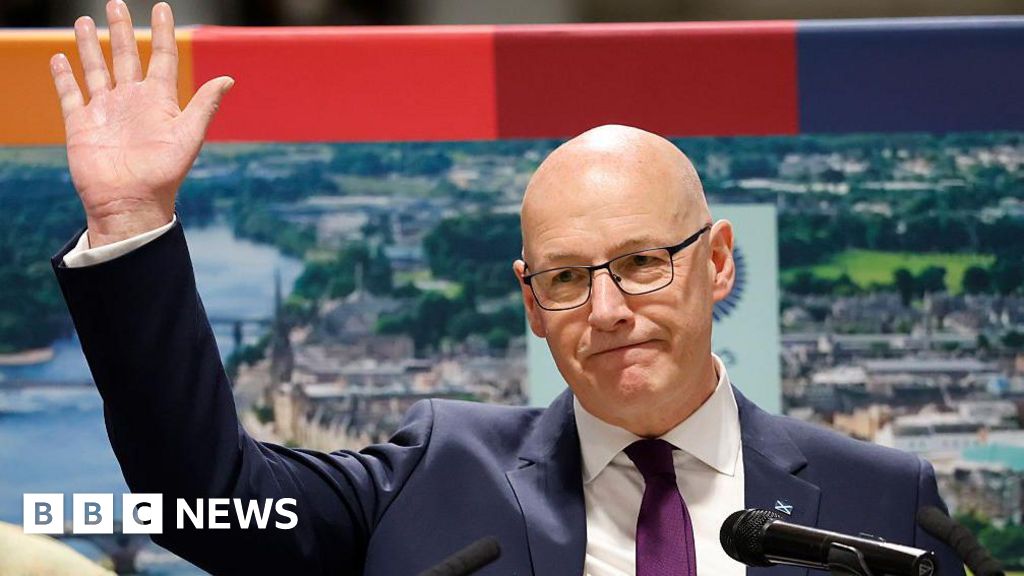
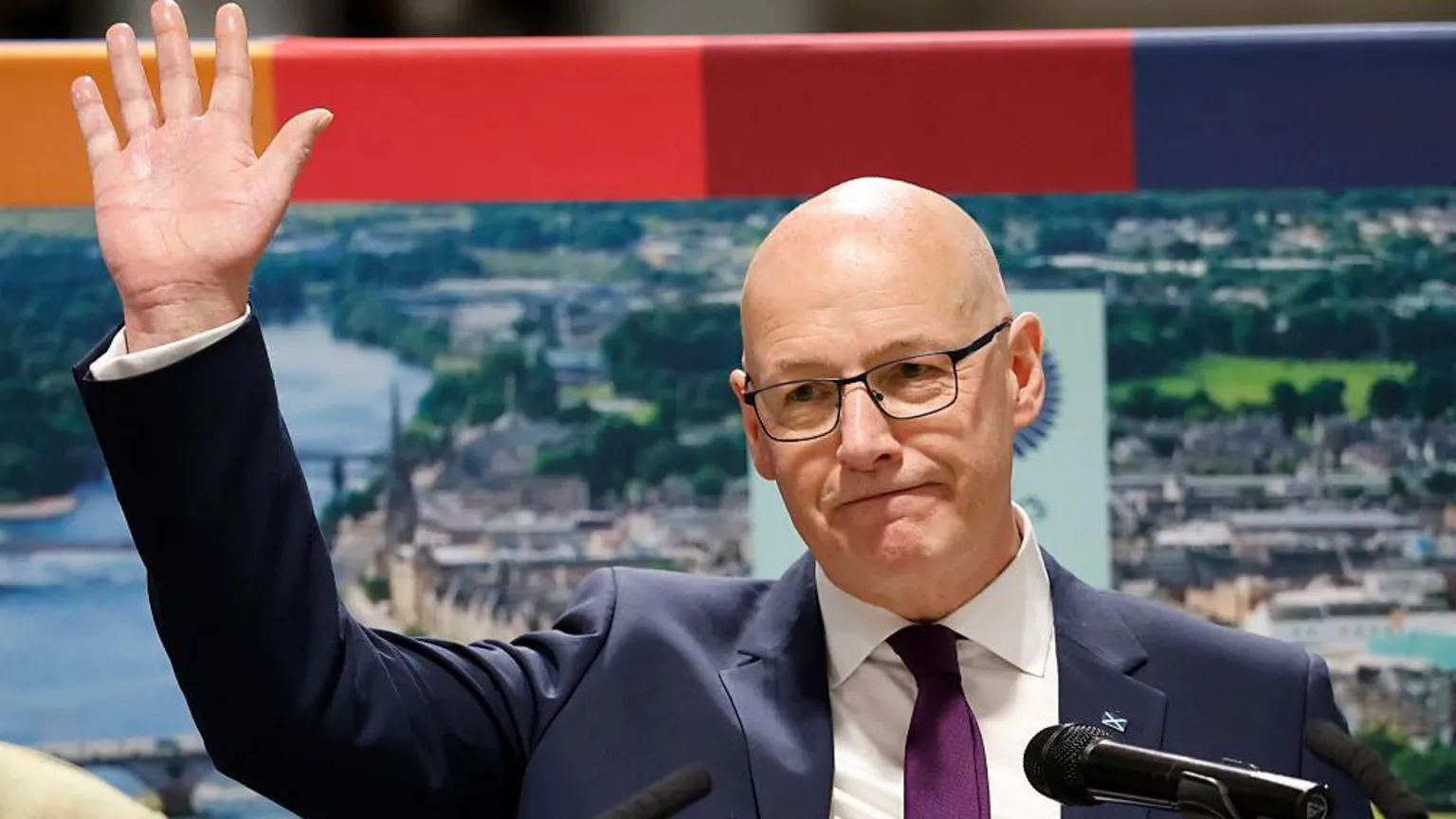
John Swinney, Deputy First Minister and a key figure in the SNP, has emphasized the importance of stable governance amid these trials. His leadership will be crucial in steering policy decisions that balance fiscal responsibility with the need to support vulnerable populations and invest in Scotland’s future.
What This Means for Scotland’s Future
The SNP’s historic win reinforces its mandate to pursue policies centered on Scottish independence and progressive social reform. However, the increasingly pluralistic parliament introduces new complexities. The rise of Reform UK, the Greens’ breakthrough, and Labour’s diminished role signal a more competitive political environment where consensus-building will be essential.
As Scotland navigates economic headwinds and societal demands, the Holyrood parliament must adapt to a transformed political landscape. The decisions made in the coming months will shape Scotland’s trajectory on issues ranging from constitutional status to public service provision.
Ultimately, this election marks not just a victory for the SNP but also a turning point for Scottish democracy—one that calls for innovative leadership, collaborative governance, and a clear vision to meet the challenges ahead.