

For the first time since 1922, less than 60% of British voters chose the two traditional powerhouses—the Conservative and Labour parties—in a general election. This seismic shift underscores a growing fragmentation in UK politics, driven by rising support for third parties and exposing the limitations of the long-entrenched first-past-the-post (FPTP) voting system.

The Changing Dynamics of British Voting Patterns
Historically, the FPTP system has strongly favored the Conservative and Labour parties, discouraging voters from backing smaller parties by branding such choices as “wasted votes.” For decades, politicians from these dominant parties warned that casting ballots for groups like the Liberal Democrats or Greens amounted to throwing votes away since these parties rarely secured seats.

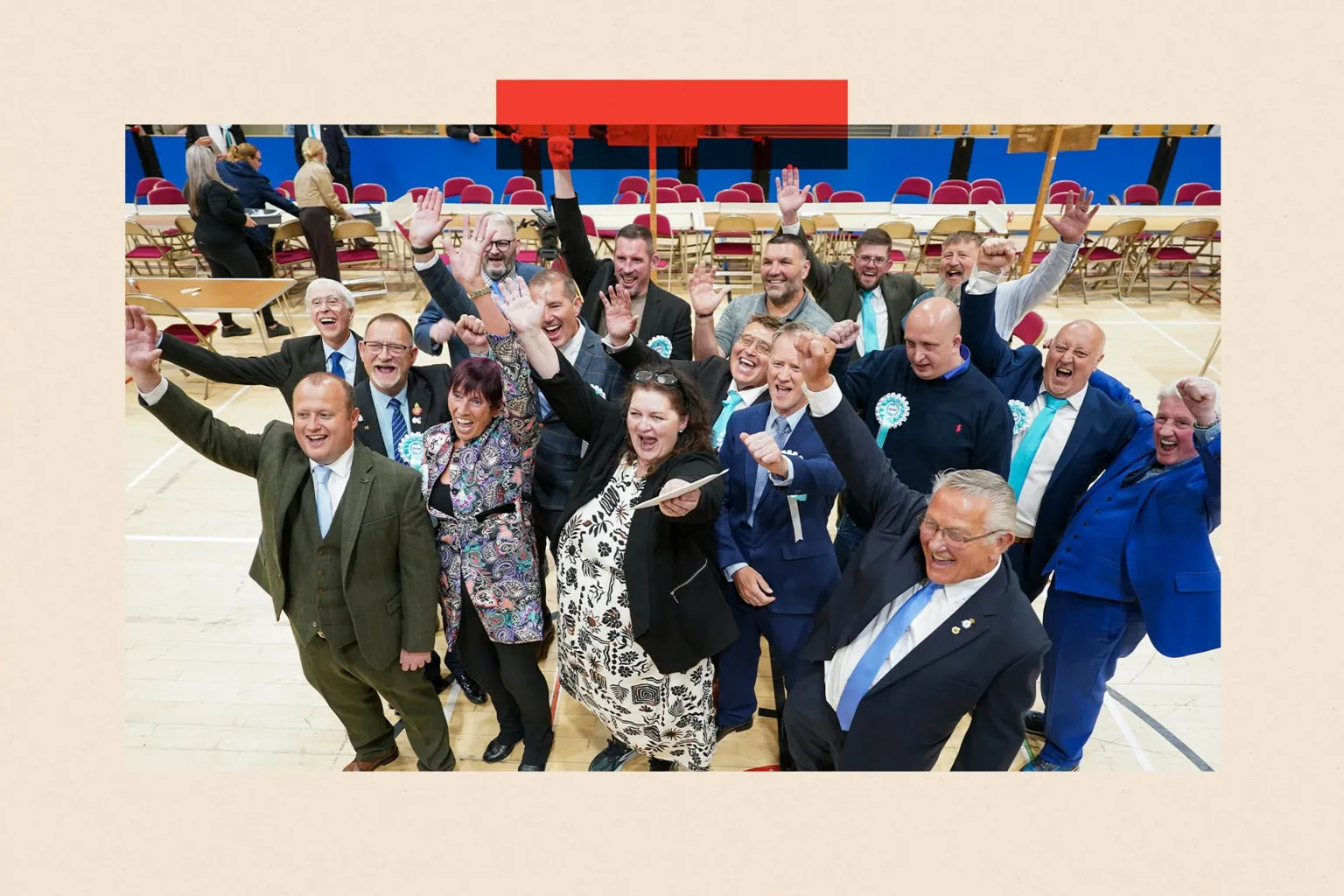
However, recent elections reveal a profound shift in voter behavior. In the 2024 local elections, the combined success of emergent forces such as the Reform Party and the Green Party has shattered this notion. Together, Reform and the Greens secured 2,063 council seats—outperforming the combined 1,864 seats won by the Conservatives and Labour. Meanwhile, the Liberal Democrats captured an additional 842 seats, reinforcing their position as Britain’s enduring third party.


This local success contrasts sharply with the 2024 general election results, where despite Reform and Greens garnering over 20% of the popular vote, they won only nine parliamentary seats between them. In contrast, Conservatives and Labour dominated with 533 seats. The discrepancy highlights how FPTP amplifies the seat count of major parties in general elections, while local elections expose the rising multi-party reality.

How FPTP Exaggerated Labour and Conservative Losses
The 2024 local election results not only reflect the shifting voter allegiances but also reveal how FPTP can distort electoral outcomes. Rather than cushioning the Conservatives and Labour from voter dissatisfaction, the system intensified the perception of their losses.
Analysis of voting data from more than 1,000 wards, compiled by the BBC, shows that support for Labour collapsed most dramatically in wards where the party was defending seats. Compared to 2022, Labour’s vote share in these defended wards plunged by an average of 25 percentage points. In seats Labour was not defending, the decline was significantly smaller, at 12 points. For the Conservatives, the drop was 14 points in defended wards and 10 points elsewhere.

This pattern indicates that incumbency advantage, often a buffer against swings, offered limited protection this cycle. Voters appeared more willing to abandon traditional allegiances, particularly where Labour and Conservative councillors were previously entrenched. The electoral system’s winner-takes-all nature then magnified these setbacks into more pronounced seat losses, further eroding the dominance of the two main parties.


What This Means for Britain’s Political Future
The 2024 elections signal a growing appetite among British voters for political alternatives beyond Labour and the Conservatives. The success of Reform and Greens in local councils demonstrates that smaller parties can convert votes into tangible political power, challenging the historic duopoly.
These developments raise critical questions about the viability of FPTP in a more fragmented political landscape. While the system once effectively suppressed third-party influence, it now risks producing disproportional outcomes that fail to reflect voter diversity. The rising number of council seats held by alternative parties may embolden calls for electoral reform, aiming for systems that better translate votes into representation.
For Labour and the Conservatives, the results deliver a stark warning: clinging to traditional strongholds will no longer guarantee electoral safety. Both parties must adapt to an electorate increasingly willing to explore new political voices and policy options.
As Britain’s political map redraws itself, the interplay between voter preferences and electoral mechanics will shape governance for years to come. The 2024 elections are not just a snapshot of current voter sentiment—they are a harbinger of a more pluralistic, competitive political future.
Looking Ahead: Navigating a Fragmented Electorate
In this evolving context, political parties face fresh challenges and opportunities. For reformist and green movements, maintaining and expanding their foothold in local governments can translate into increased influence on national policy debates.
Meanwhile, Labour and Conservatives must reassess strategies to reconnect with disaffected voters and counter the appeal of emerging parties. This may necessitate policy innovation, grassroots engagement, and potentially advocating for electoral reforms to ensure fair representation.
Ultimately, the 2024 elections underscore a fundamental truth: Britain’s political landscape is no longer a two-party battlefield. The rise of third parties and the limitations of FPTP demand that all players rethink how they compete and govern in a more diverse and dynamic democratic environment.