

Jess Phillips MP has publicly resigned from her ministerial role, delivering a candid critique of the government’s slow progress on child protection policies and expressing deep concerns about the current Labour leadership’s direction. Her resignation letter reveals mounting frustration over delayed action on critical issues, particularly the failure to implement technology-based solutions to prevent the exploitation of children online.
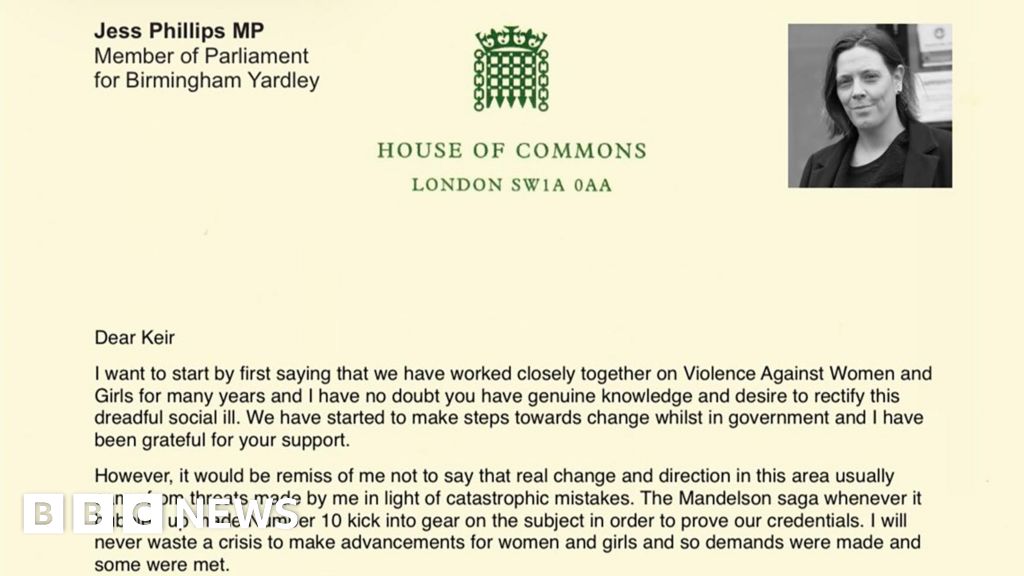
Urgent Need to Protect Children from Online Exploitation
Phillips highlights a stark reality: 91% of online child sexual abuse material is self-generated by children who have been groomed, tricked, or exploited. She underscores that groundbreaking technological solutions already exist to prevent children from taking nude images of themselves, solutions developed by expert civil servants over the past year. These technologies could be integrated into every phone and device across the UK, effectively halting a significant portion of this abuse.
Despite the clear potential, Phillips laments that the government has stalled, only recently agreeing to merely threaten legislation rather than enact it. She describes this as “incremental change” devoid of boldness, noting that promises to announce measures by March were delayed to June, and now she has “given up believing it.”
Her resignation letter poses a stark question: How many children have been left vulnerable while the government hesitated and “dilly dallied” over concerns about tech companies? This failure to act decisively, she suggests, reflects a broader pattern of missed opportunities within the current administration.
A Rare Chance for Labour, But Momentum is Lacking
Phillips acknowledges the rarity and importance of a Labour government, emphasizing the historic progress Labour has achieved over generations. However, she warns that this unique opportunity demands more than careful words — it requires bold deeds and relentless drive.
She calls for a culture shift within the party, urging leaders and colleagues to embrace “fight and drive” alongside “decency and calm curiosity.” According to Phillips, politics today demands not just policy expertise but emotional courage. She encourages open debate, vigorous argument, and the willingness to “have a row” as essential to building momentum and achieving meaningful change.
Her letter conveys a sense of impatience with the current pace and approach, suggesting that waiting for a crisis to force faster progress is unacceptable. The country and its children deserve proactive leadership and decisive action.
Why Jess Phillips Can No Longer Serve Under Current Leadership
Ultimately, Phillips’s resignation is a call to arms as much as it is a farewell. She affirms her desire for a successful Labour government but expresses doubt that the current leadership is meeting the expectations of her and, by extension, the wider public.
“I want a Labour government to work,” she writes, “and I will strive as I always have for its success and popularity.” Yet, the persistent lack of tangible progress on issues close to her heart, particularly child protection, has made it impossible for her to continue serving in her ministerial role.
This resignation signals a significant moment of internal tension within Labour, highlighting the challenges the party faces in balancing policy innovation, leadership style, and the urgent demands of its constituents. Phillips’s departure could inspire further debate about the pace and direction of reforms under the current administration.
What This Means Going Forward
Jess Phillips’s resignation letter brings to light critical questions about government accountability, the use of technology in safeguarding children, and the leadership needed to drive change. Her insistence on immediate, bold action reflects a growing impatience among policymakers and the public alike.
For the Labour government, this episode underscores the importance of translating promises into concrete policy and legislation, especially on issues involving vulnerable populations. It also reveals the emotional and political pressures ministers face when they perceive their efforts as stymied by cautious leadership.
As the conversation around child safety in the digital age intensifies, Phillips’s call for more assertive governance may well resonate beyond this resignation, potentially catalyzing renewed momentum within Parliament and civil society.
In the end, her words serve as a reminder that leadership requires not only vision but also sustained, courageous action — particularly when protecting the most vulnerable.