

Sir Keir Starmer has expressed sharp concern over the decision to book Kanye West, also known as Ye, as the headline act for all three nights of London’s Wireless Festival this July. The booking ignites fresh debate due to West’s history of antisemitic remarks and public displays linked to Nazism, sparking widespread condemnation across the UK.
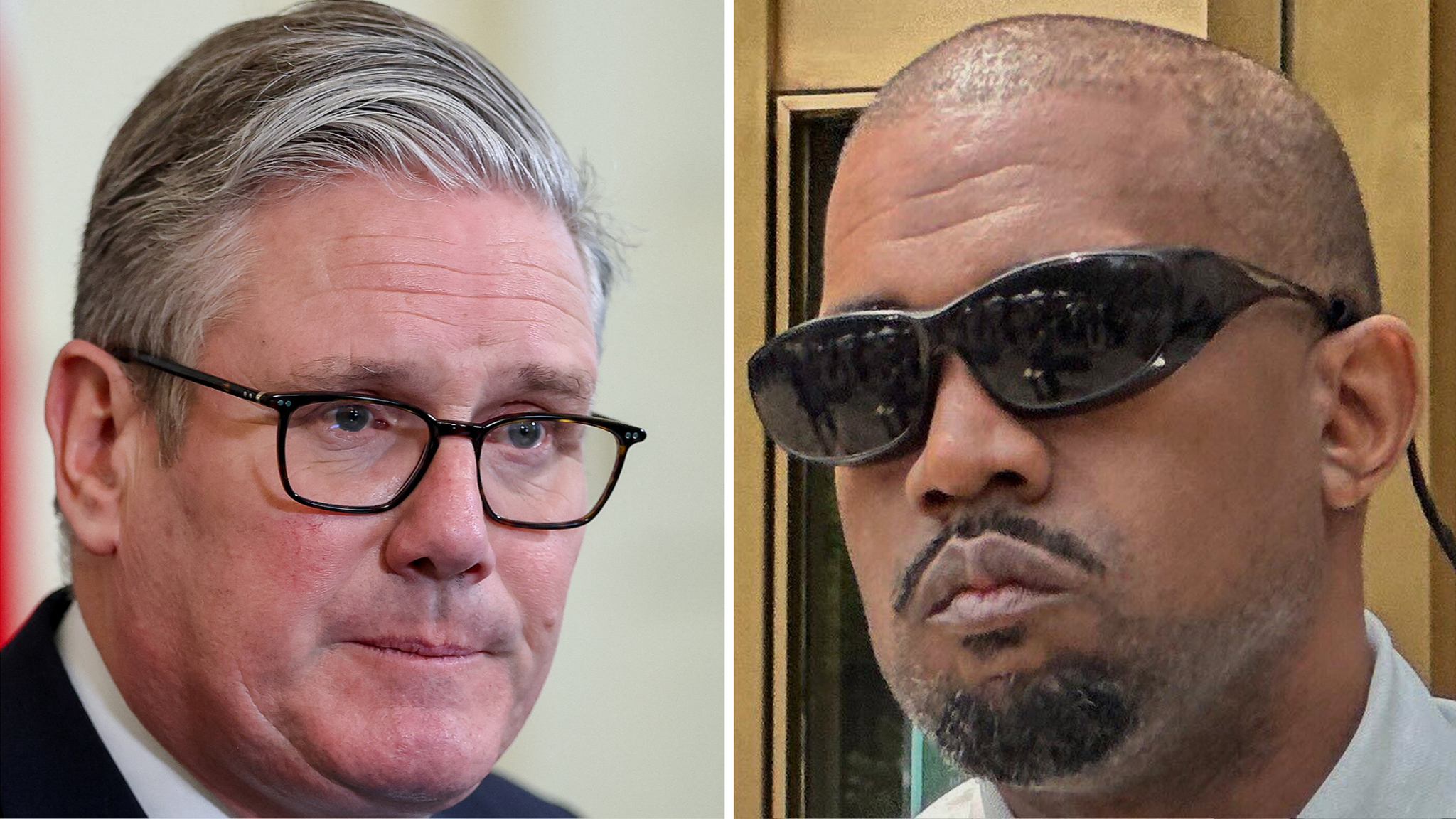
Kanye West in New York June 13, 2025. Pic: AP
Why Kanye West’s Wireless Festival Appearance Sparks Outrage
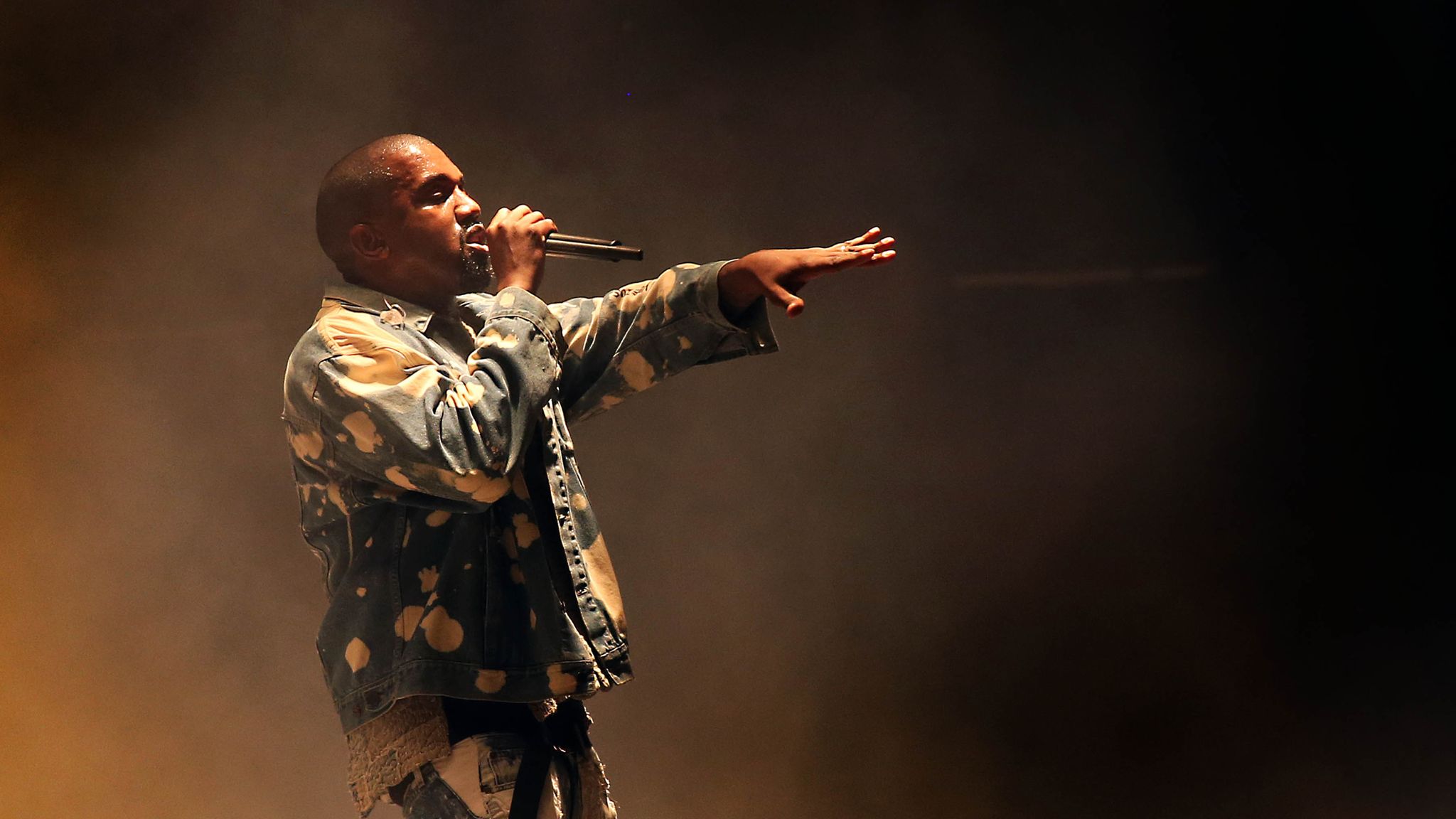
The 48-year-old rapper has not performed in the UK since headlining Glastonbury Festival in 2015, but his return now comes amid deeply troubling controversies. Over the last few years, West has repeatedly made headlines for antisemitic social media posts, including messages posted on X—the platform formerly known as Twitter—where he has been suspended multiple times.
Among the most notorious incidents, West shared images combining a swastika and the Star of David, a move that led to his account suspension in December 2022. He also released a song referencing Hitler and appeared in a Super Bowl advertisement that directed viewers to buy a t-shirt featuring a swastika. These actions prompted Adidas, his former partner on the Yeezy sneaker line, to sever ties and donate over $150 million to anti-hate organizations.
Political and Public Reactions
Sir Keir Starmer, the UK’s Labour Party leader, issued a strong statement condemning the festival’s booking decision. He called it “deeply concerning” that West would be invited to headline despite his “previous antisemitic remarks and celebration of Nazism.” Starmer emphasized that antisemitism “in any form is abhorrent,” urging a collective responsibility to ensure Jewish communities in Britain feel safe and secure.
Starmer’s remarks underscore a larger societal reckoning with hate speech and the responsibility public platforms hold in amplifying or rejecting such voices—especially when the individual involved commands a global audience.
Kanye West’s Public Apologies and Mental Health Context
In January 2026, West took out a full-page advertisement in the Wall Street Journal titled “To Those I’ve Hurt,” apologizing to Jewish and Black communities. He firmly stated, “I am not a Nazi or an antisemite. I love Jewish people.”
West attributed many of his offensive outbursts to his ongoing battle with bipolar-1 disorder, revealing that he experienced a severe, four-month-long manic episode beginning in early 2025. During this period, he said his behaviour became “psychotic, paranoid and impulsive,” leading to actions he deeply regrets.
He wrote, “I lost touch with reality. Things got worse the longer I ignored the problem. I said and did things I deeply regret. I regret and am deeply mortified by my actions in that state, and am committed to accountability, treatment, and meaningful change.” However, he acknowledged that his mental health struggles do not excuse his past conduct.
What This Means for the Music Industry and Public Discourse
The decision to book Kanye West as a headline act at a major UK festival despite his controversial history raises crucial questions about accountability, redemption, and the boundaries of public tolerance. Music festivals like Wireless serve as cultural touchstones, reflecting societal values and influencing public opinion. Featuring an artist with such a fraught recent past risks alienating audiences and undermining efforts to combat hate speech.
Moreover, West’s case highlights the complex intersection of celebrity, mental health, and social responsibility. While mental illness may explain some behaviour, it does not justify harmful rhetoric or actions that perpetuate hate and division. Public figures wield immense influence, and their platforms must be balanced with ethical considerations.
Wireless Festival organizers have yet to comment publicly on the backlash surrounding West’s booking.
Looking Ahead
Kanye West’s upcoming UK performances this summer will be closely watched, not only by his fans but by communities and leaders concerned about the messages amplified through such high-profile events. Sir Keir Starmer’s vocal disapproval reflects broader societal unease about normalizing hate speech under the guise of artistry or mental health struggles.
As the festival approaches, the conversation around West’s presence in the UK will likely intensify, challenging organizers, audiences, and policymakers to grapple with how to balance artistic freedom with social responsibility. This moment serves as a reminder that cultural platforms carry weighty responsibilities in shaping inclusive and respectful public discourse.