

The political landscape within the Labour Party is intensifying as reports swirl around Keir Starmer potentially standing on the brink of resignation. This development coincides with the high-profile return of Andy Burnham, a prominent figure whose re-emergence is stirring fresh dynamics within the party.
Keir Starmer’s Leadership Under Scrutiny
Keir Starmer, the Leader of the Labour Party since 2020, has navigated a tumultuous period marked by internal divisions and external pressures. His leadership has been challenged by factions within the party who question his strategic direction and effectiveness in opposing the current government.
Recent speculation about his potential resignation signals a critical juncture not only for Starmer but for Labour’s future trajectory. Such a move, if confirmed, would trigger a leadership contest and could reshape the party’s policies and public image ahead of upcoming elections.
Starmer’s tenure has seen efforts to reposition Labour towards the political centre, aiming to broaden its appeal beyond traditional bases. However, this approach has not been universally accepted within the party ranks, leading to ongoing tensions and criticism.
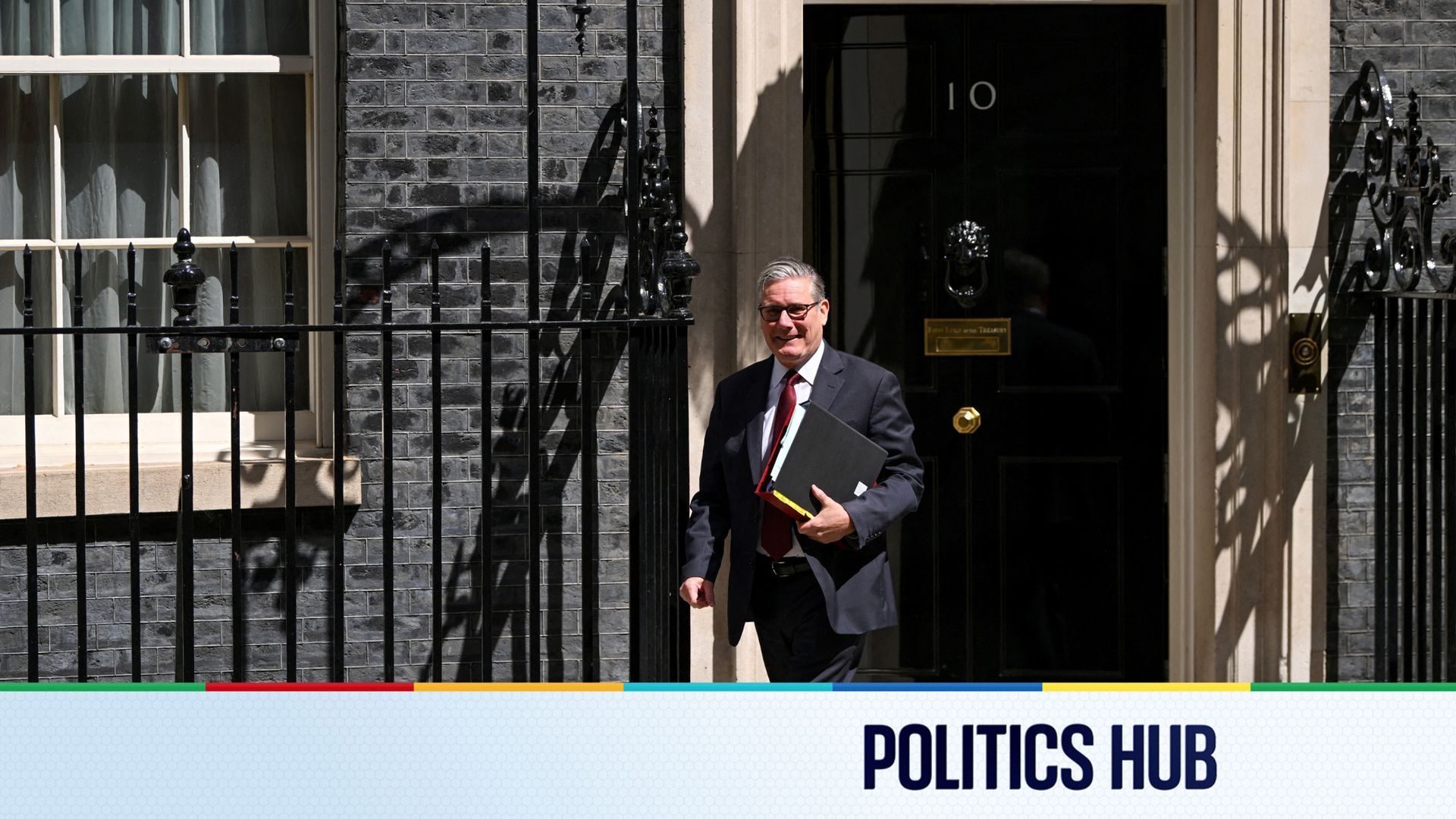
Andy Burnham’s Return and Its Significance
Andy Burnham, former Shadow Home Secretary and current Mayor of Greater Manchester, has long been regarded as a key Labour figure with a strong regional and national profile. His return to the forefront of party politics is widely interpreted as a challenge to Starmer’s leadership style and policy direction.
Burnham’s popularity surged during the COVID-19 pandemic when he was praised for his assertive stance on public health measures and vocal criticism of the government’s handling of regional lockdowns. His pragmatic and empathetic leadership style contrasts with Starmer’s more reserved and legalistic approach.
By re-entering the national political stage, Burnham could galvanize Labour members who feel disenfranchised or disillusioned with the current leadership. His presence underscores a broader debate within Labour about the party’s identity, strategy, and connection with working-class voters.
What This Means for Labour and UK Politics
The convergence of Starmer’s wavering position and Burnham’s comeback raises pivotal questions about Labour’s direction heading into the next general election. Leadership instability could undermine the party’s ability to present a united and compelling alternative to the Conservative government.
Moreover, Burnham’s return may signal an ideological recalibration within Labour, emphasizing regional empowerment, social justice, and a stronger alignment with grassroots activism. This shift could influence Labour’s policy platform on key issues such as healthcare, economic inequality, and public services.
For the UK political scene, these developments reflect the volatility and shifting allegiances that characterize contemporary party politics. Labour’s internal dynamics will inevitably impact voter perceptions and electoral outcomes in the coming months.
Looking Ahead: The Future of Labour Leadership
As the situation unfolds, close attention will focus on official statements from Starmer and Burnham, party meetings, and potential leadership contests. The outcome will shape not only Labour’s immediate strategy but also its long-term role in British politics.
Ultimately, this moment presents an opportunity for renewal and reinvention within Labour. Whether through continuity under Starmer or a resurgence led by Burnham, the party faces a defining moment that could determine its relevance and success in a rapidly changing political environment.
Full details of any leadership changes have yet to be confirmed, but the implications for Labour and the UK’s political future are profound and warrant careful observation.