

The upcoming state visit of King Charles III and Queen Camilla to the United States will proceed without any meetings with survivors of convicted sex offender Jeffrey Epstein, despite public appeals urging the royal couple to engage with those affected. This decision comes amid ongoing UK police investigations related to Epstein, which reportedly restrict the royals from such engagements during their April trip.
The State Visit Goes Ahead Amid Controversy
Scheduled for late April, the state visit marks King Charles’s first official trip to the US as monarch, a significant diplomatic event intended to reinforce the so-called special relationship between the United Kingdom and the United States. The visit will include a White House banquet dinner, reportedly set for April 28, and other high-profile engagements.
Donald Trump, the former US president, expressed enthusiastic support for the visit via his social media platform Truth Social, writing, “I look forward to spending time with the King, whom I greatly respect. It will be TERRIFIC!” His backing adds another layer of political complexity to the visit, given his ongoing contentious relationship with UK political figures.
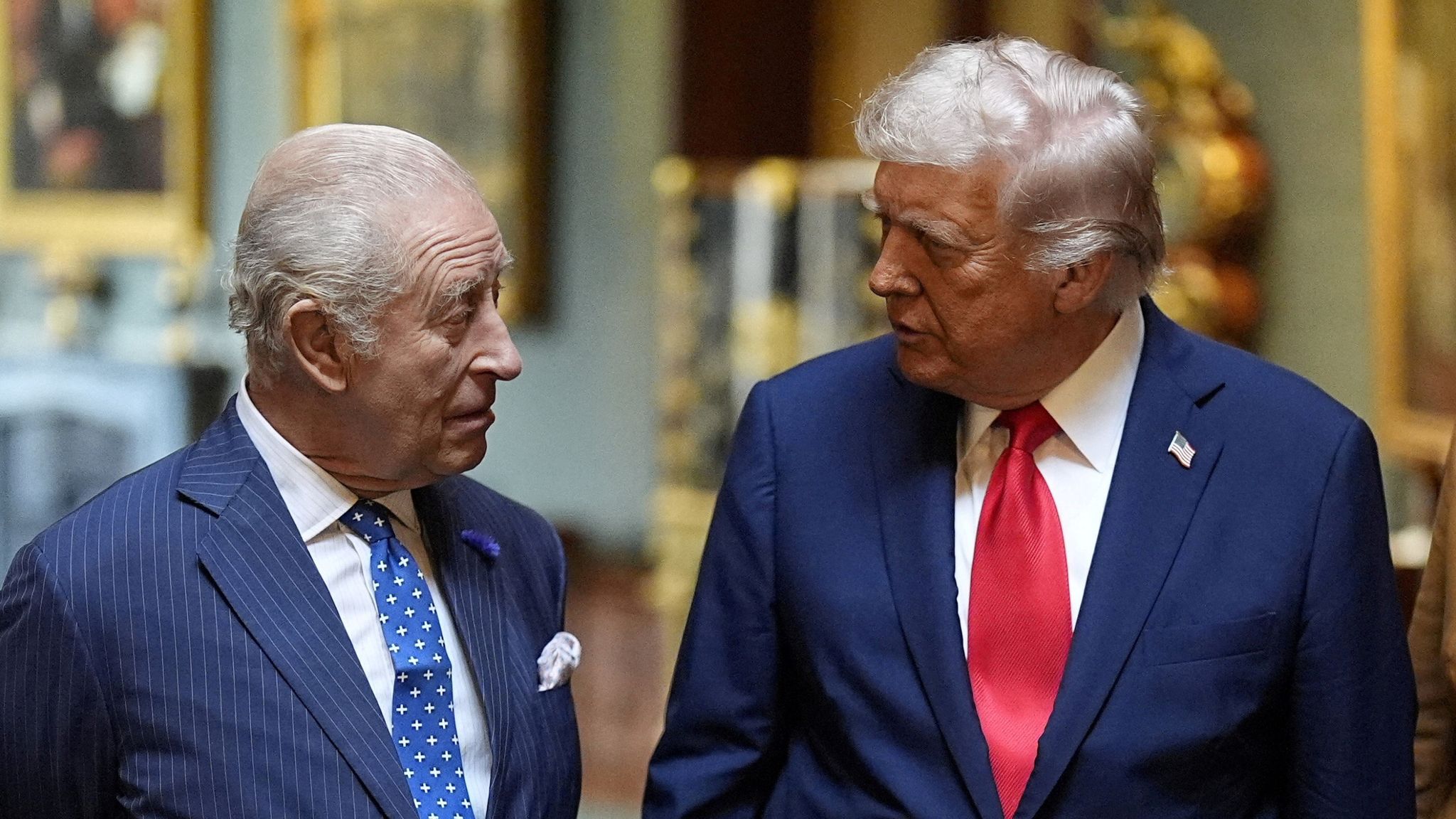
Despite calls from US Congressman Ro Khanna for the King to meet privately with survivors of Epstein’s abuses, palace sources have confirmed that no such meetings will take place. The rationale centers on the ongoing UK police investigations, which include sensitive inquiries into individuals connected with Epstein.
Ongoing Epstein-Related Investigations Cast Shadow Over Visit
The Epstein scandal continues to reverberate through UK political and social circles. Last month, Andrew Mountbatten-Windsor, formerly the Duke of York, was arrested on suspicion of misconduct in public office linked to the release of the Epstein files. Separately, Lord Peter Mandelson, a former UK ambassador to the US, was also arrested under similar suspicion. Both men were subsequently released under investigation and have denied any wrongdoing.
These developments have intensified scrutiny on the royal family and their connections, fueling public debate over accountability and transparency. The decision not to meet Epstein survivors during the state visit reflects a cautious approach by Buckingham Palace, aiming to avoid interfering with ongoing legal processes and investigations.
Political Tensions and Calls to Cancel the Visit
The state visit’s timing has sparked political debate within the UK. The Liberal Democrats, led by Sir Ed Davey, have urged Prime Minister Sir Keir Starmer to cancel the visit—not because of Epstein but due to the escalating conflict in the Middle East, particularly involving Iran. Davey criticized the prime minister for what he described as a “staggering lack of backbone” in the face of US President Trump’s dismissive comments about the Royal Navy.
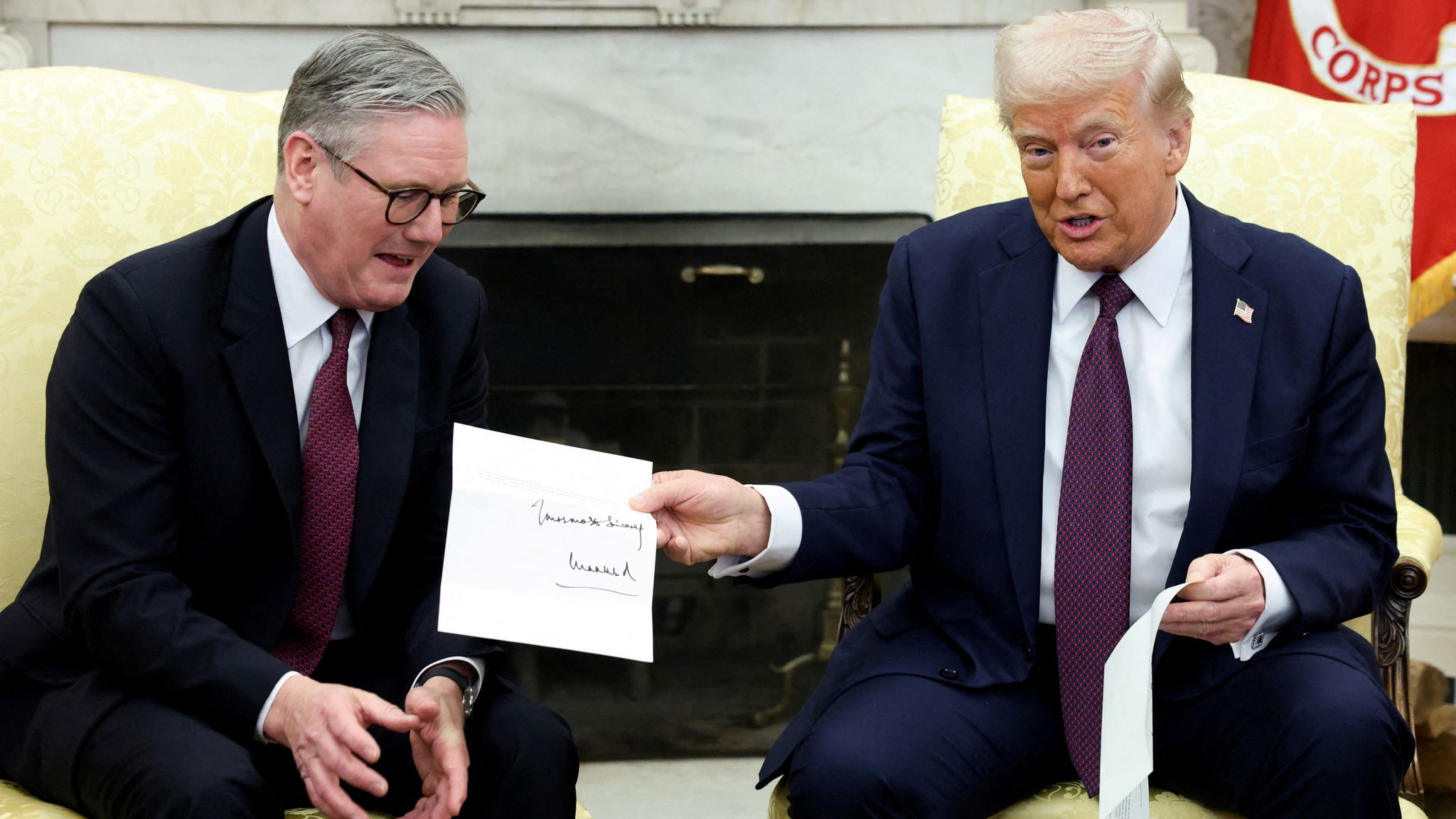
Defense Secretary John Healey has downplayed concerns about the visit being overshadowed by political controversies or potential embarrassment from President Trump’s unpredictable rhetoric. Speaking from the Middle East, Healey emphasized that the visit would “help reinforce the uniquely close relationship” between the UK and US, which has been “strained in recent months.” He praised King Charles as a “unique leader, a unique diplomat, and a great asset for Britain.”
Historically, as Prince of Wales, Charles made 19 visits to the US, cultivating strong ties across political and social spheres. However, this upcoming state visit carries added weight as the first with him as reigning monarch, symbolizing a renewal of diplomatic ties and mutual respect.
King and Queen’s Diplomatic Engagements in Recent Years
Since ascending the throne in 2022, King Charles and Queen Camilla have embarked on multiple significant overseas trips, underscoring their active role in international diplomacy. Some notable visits include:
- October 2025: Meeting Pope Leo in Rome, praying together at the Sistine Chapel.
- May 2025: Attending the state opening of Canada’s parliament.
- April 2025: Visit to Italy featuring stops in Rome and Ravenna and a private meeting with the late Pope Francis at the Vatican.
- January 2025: Commemoration of the 80th anniversary of the Auschwitz-Birkenau liberation in Poland.
- October 2024: Tours of Australia and Samoa, including participation in the Commonwealth Heads of Government Meeting (CHOGM).
- June 2024: Attending the British Normandy Memorial ceremony in France to mark 80 years since D-Day.
These diplomatic efforts highlight the King’s commitment to sustaining strong international relationships and honoring historical legacies.
What This Means Going Forward
The decision to exclude meetings with Epstein survivors during the state visit reflects the delicate balance Buckingham Palace must strike between legal prudence and public expectations. While the visit aims to strengthen UK-US relations amid geopolitical uncertainty, particularly with tensions rising in the Middle East, it also faces the challenge of navigating sensitive scandals and political controversies.
King Charles’s role as monarch places him at the forefront of diplomatic symbolism, and this visit will test his ability to maintain the special relationship in turbulent times. Observers will watch closely to see how the King and Queen manage the visit’s political dynamics and whether future opportunities will arise to address the Epstein survivors’ calls for recognition and support.
As the world watches this historic state visit, the intersection of diplomacy, justice, and politics will shape public perception of the British monarchy’s relevance and responsiveness in the 21st century.