

King Charles III honoured Nigeria with a grand state banquet at Windsor Castle, showcasing the enduring and dynamic relationship between the United Kingdom and Nigeria. The event highlighted the cultural, economic, and diplomatic ties that bind the two nations, while acknowledging the complexities of their shared history.
A Night of Diplomacy and Cultural Celebration
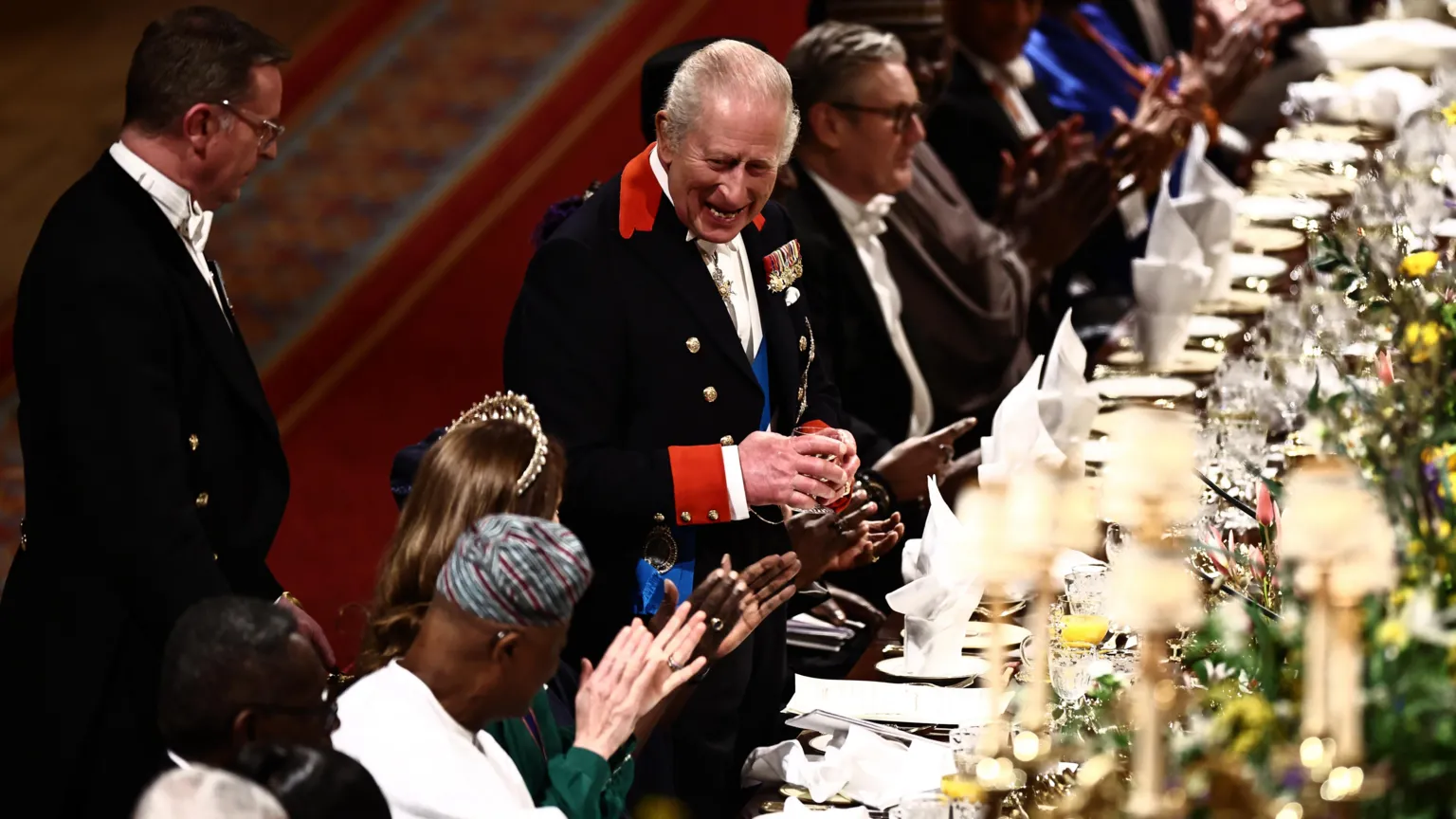
At St George’s Hall in Windsor Castle, King Charles addressed an audience of 160 distinguished guests, including Nigeria’s President Bola Ahmed Tinubu and First Lady Oluremi Tinubu. The King opened his speech with a warm greeting in Yoruba, symbolising respect for Nigerian culture and signalling the importance of the Nigerian community in the UK as a “living bridge” between the two countries.
The banquet brought together a remarkable array of personalities, from England rugby captain Maro Itoje and Olympic champion Christine Ohuruogu to poet Sir Ben Okri. Senior members of the Royal Family were present, including Queen Camilla, the Prince and Princess of Wales, and the Duke of Edinburgh, all underscoring the significance of this first Nigerian state visit to the UK in 37 years.
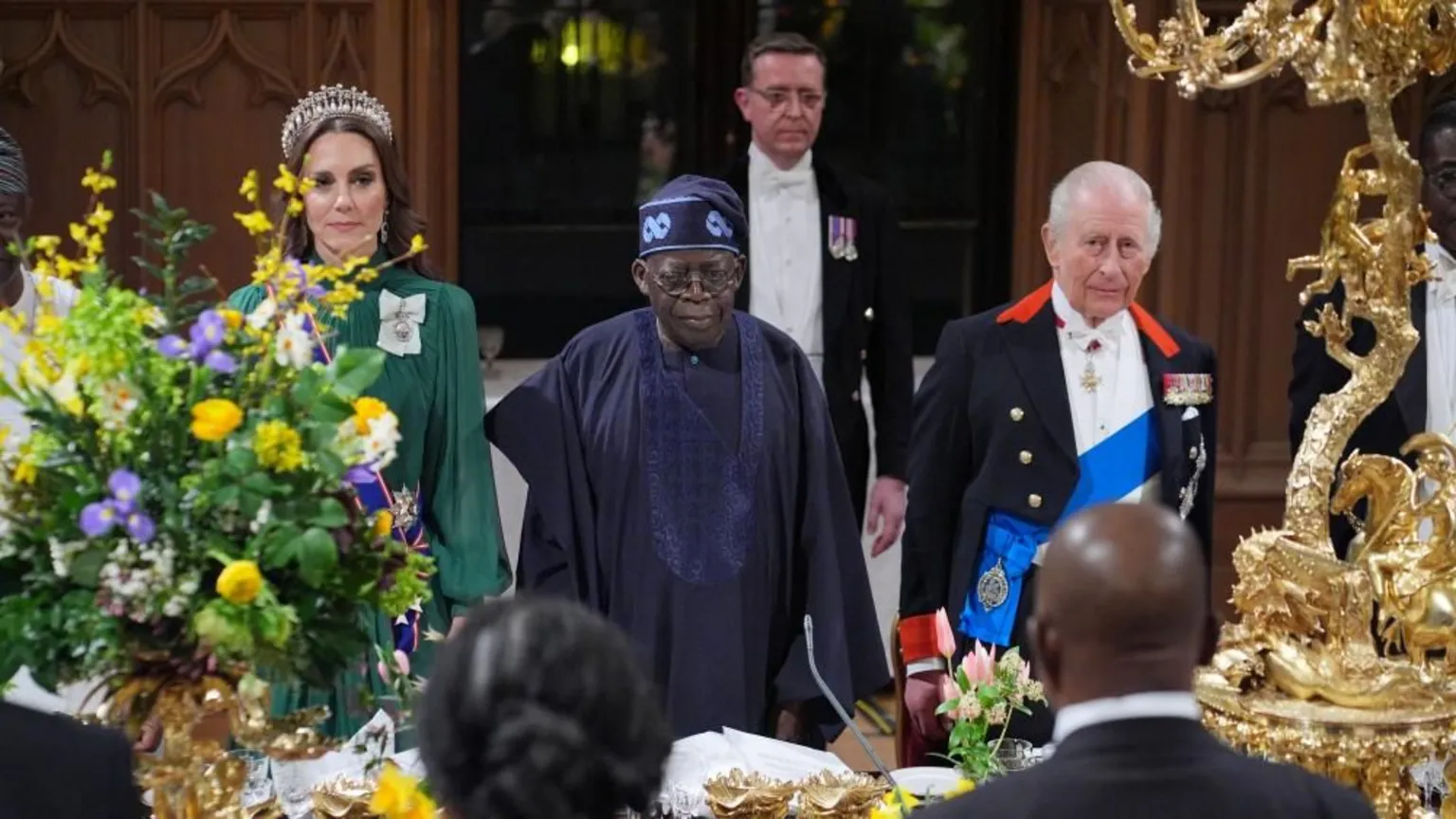
The event was thoughtfully adapted to respect Ramadan, during which the banquet took place. A prayer room was available at Windsor, and the typical royal lunch was replaced to accommodate fasting guests. A specially crafted non-alcoholic cocktail, the “Crimson Bloom,” blended the Nigerian hibiscus drink Zobo with English rose soda, hibiscus, and ginger syrup—symbolising a fusion of cultures. Meanwhile, traditional alcoholic beverages like fine wines and whisky were also served.
Strengthening Ties Amid Challenges
King Charles’s speech underscored the importance of religious tolerance, stating, “people of different faiths can, do, and must live alongside one another in peace.” This message echoed the personal example of the Tinubus, with President Tinubu being Muslim and the First Lady Christian, who together participated in an interfaith event during the visit.
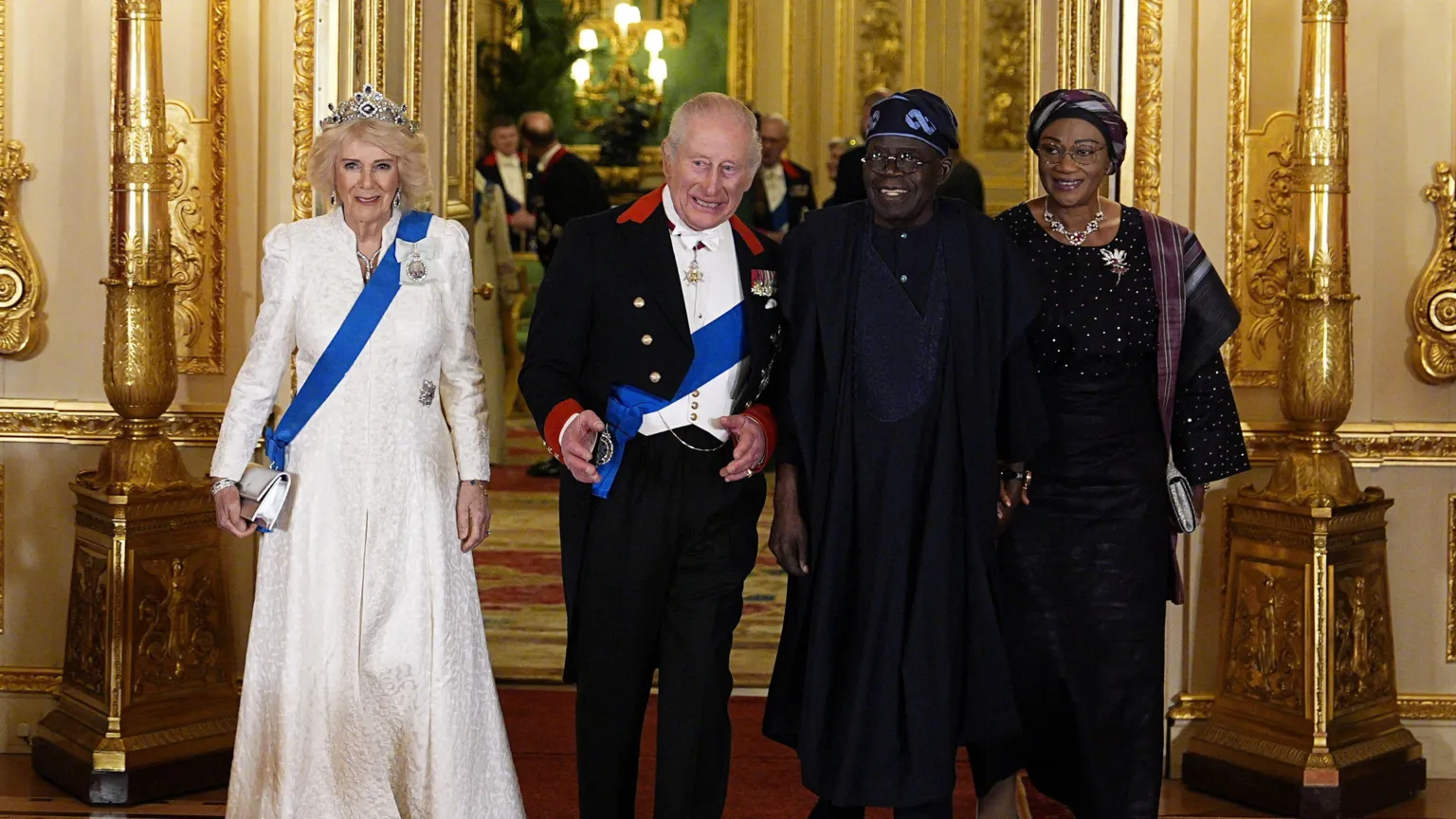
The King hailed Nigeria as an “economic powerhouse, a cultural force and an influential diplomatic voice,” praising its vibrant Afrobeats music scene and Nollywood film industry, both of which have enriched British cultural life. He also acknowledged the painful legacy of colonialism, expressing a hope for a future “worthy of those who bore the pains of the past.”
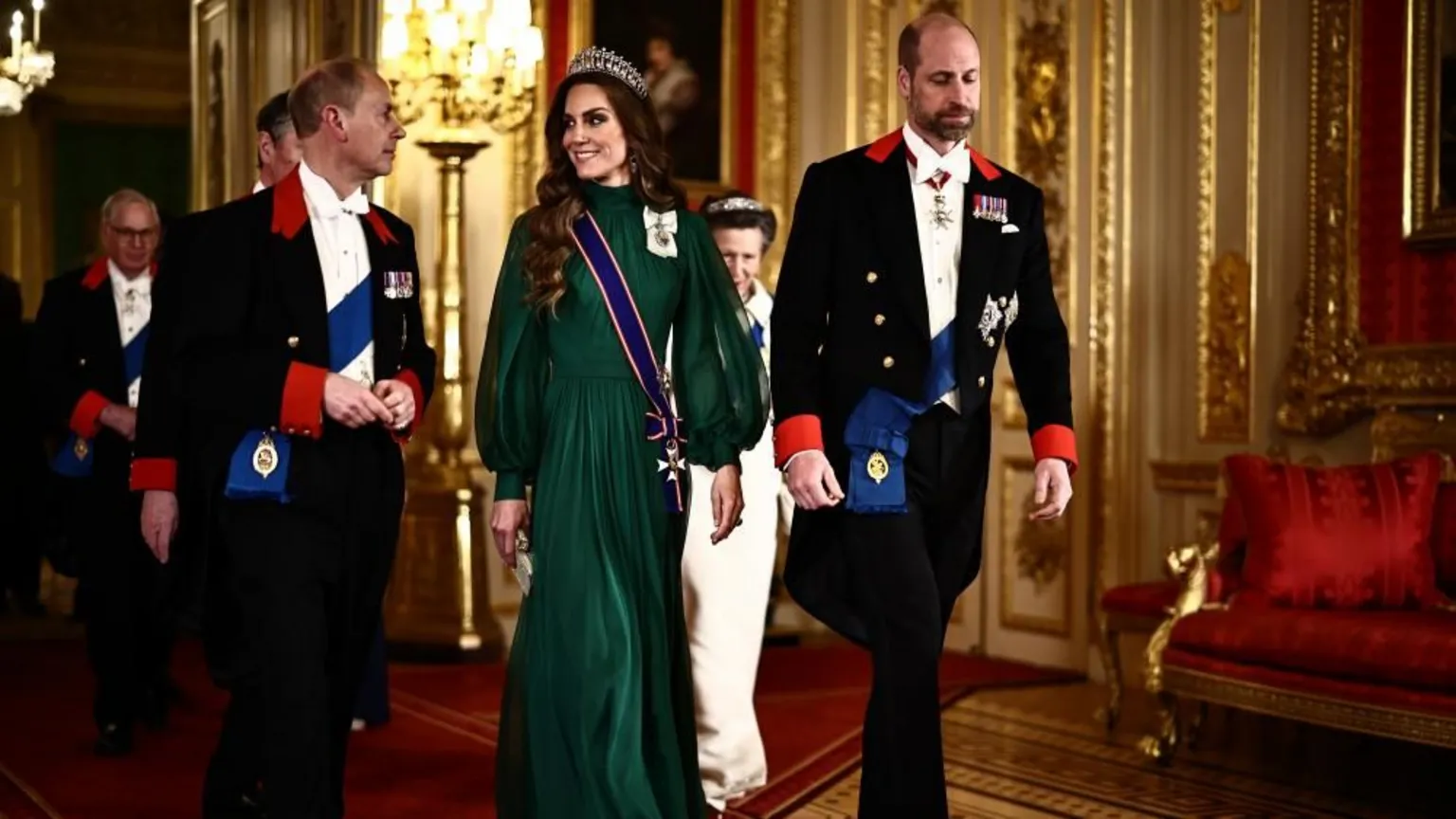
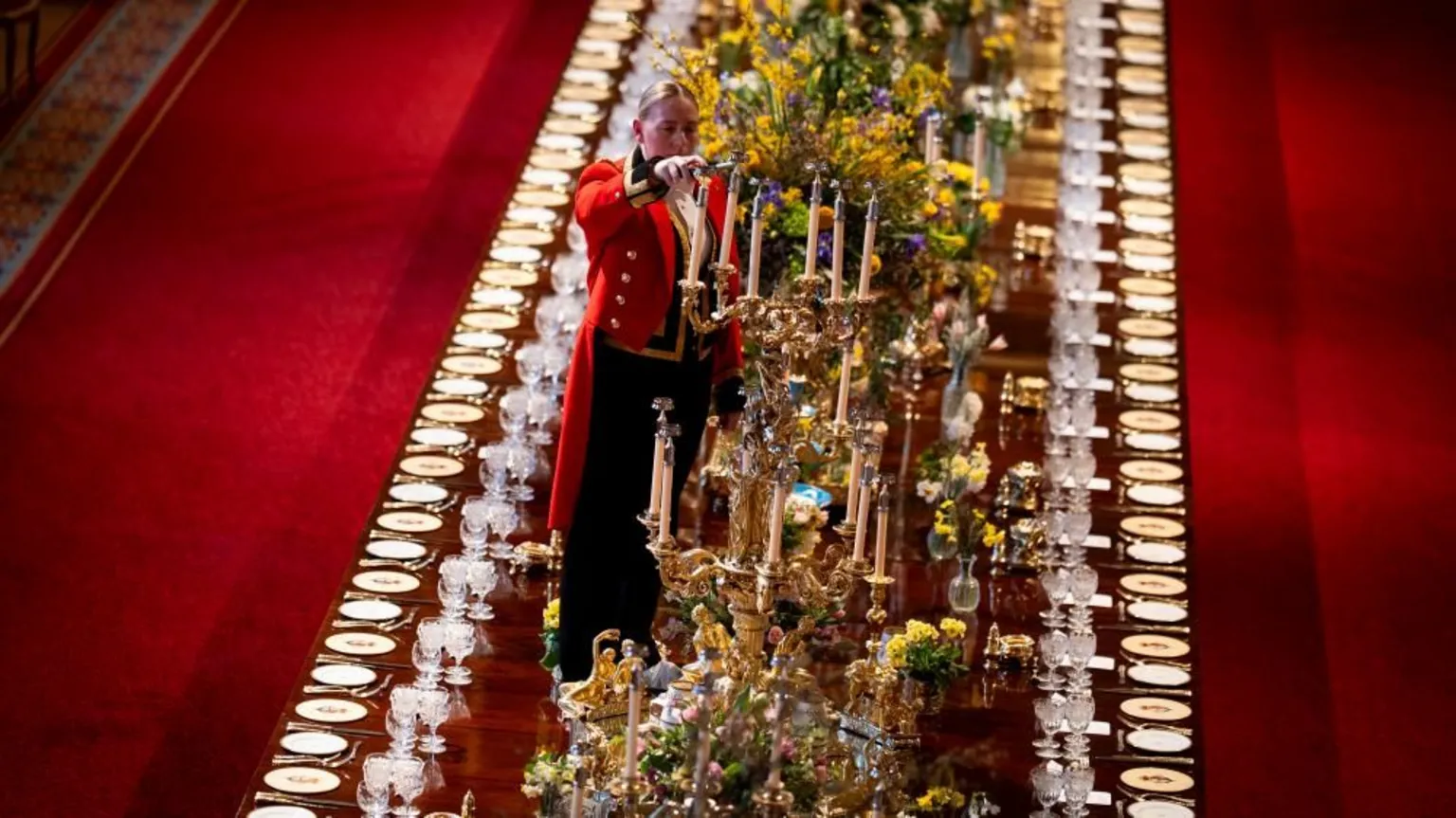
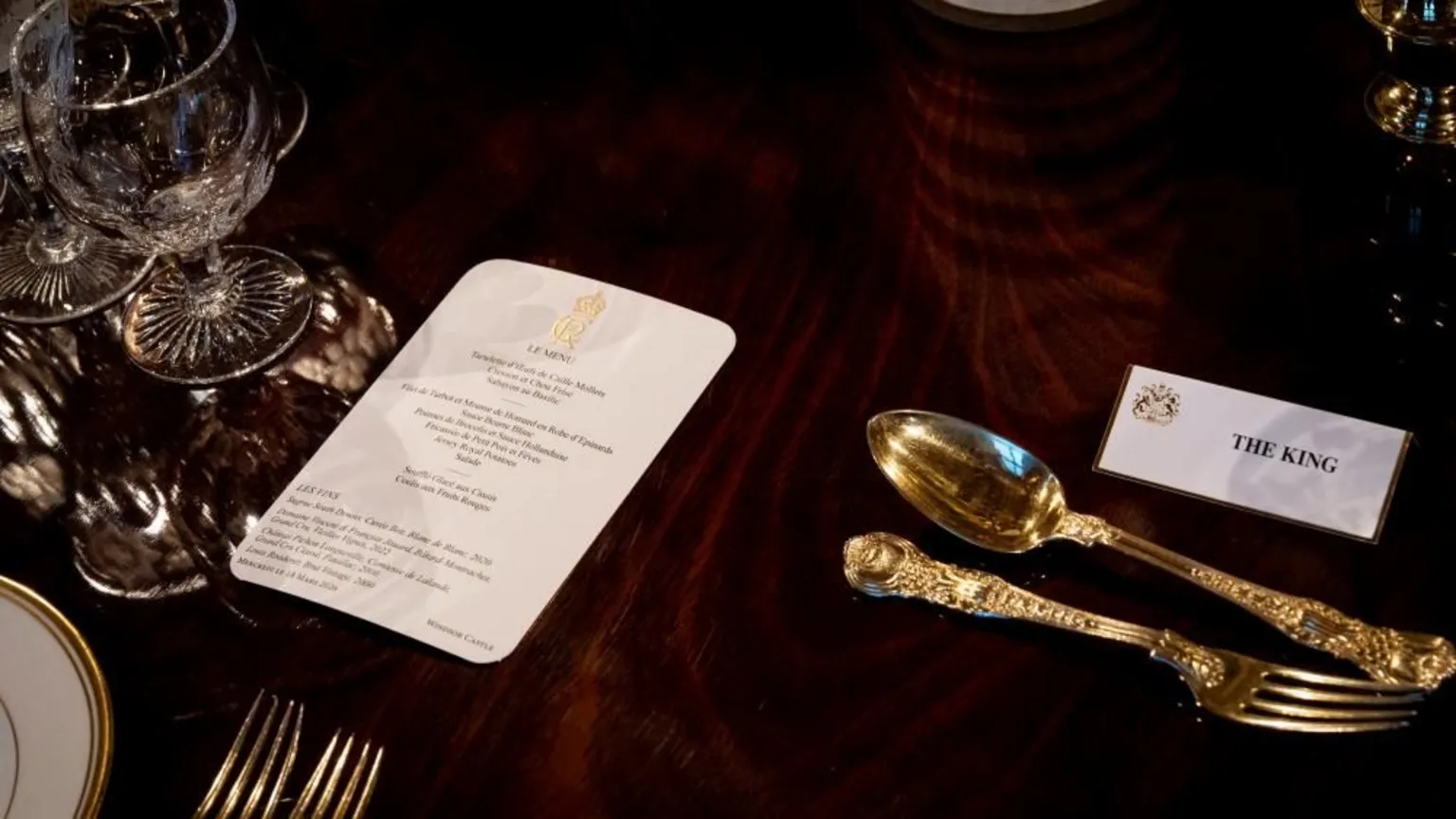
The banquet menu was entirely meat-free, reflecting contemporary dietary considerations and the Ramadan fast. Highlights included a soft-boiled quail egg tartlet with watercress and kale, fillet of turbot with lobster mousse, and an iced blackcurrant soufflé with red fruit coulis. The table was lavishly decorated with spring flowers and candles, creating an elegant atmosphere.

Royal Welcome and Symbolic Gestures
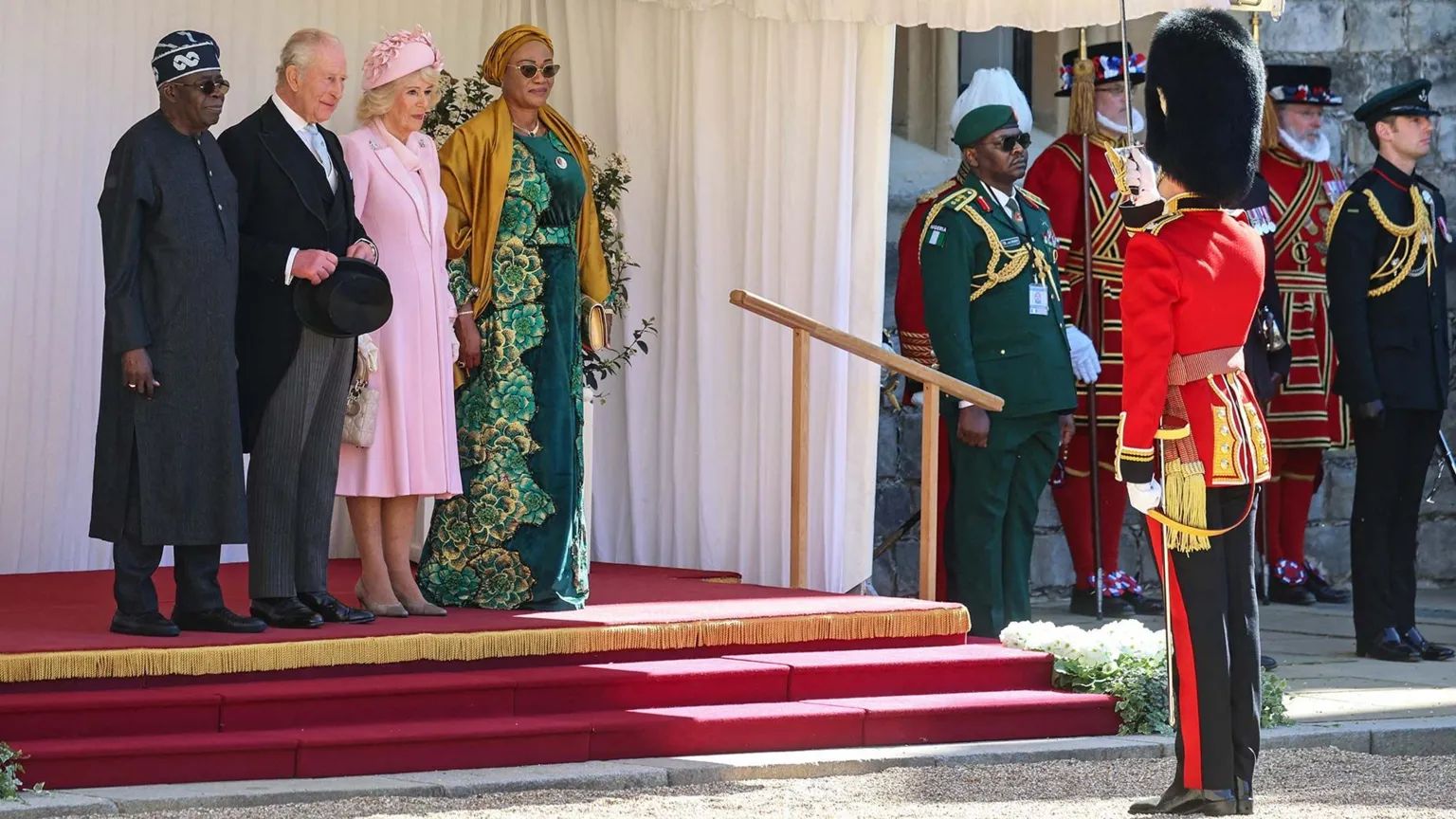
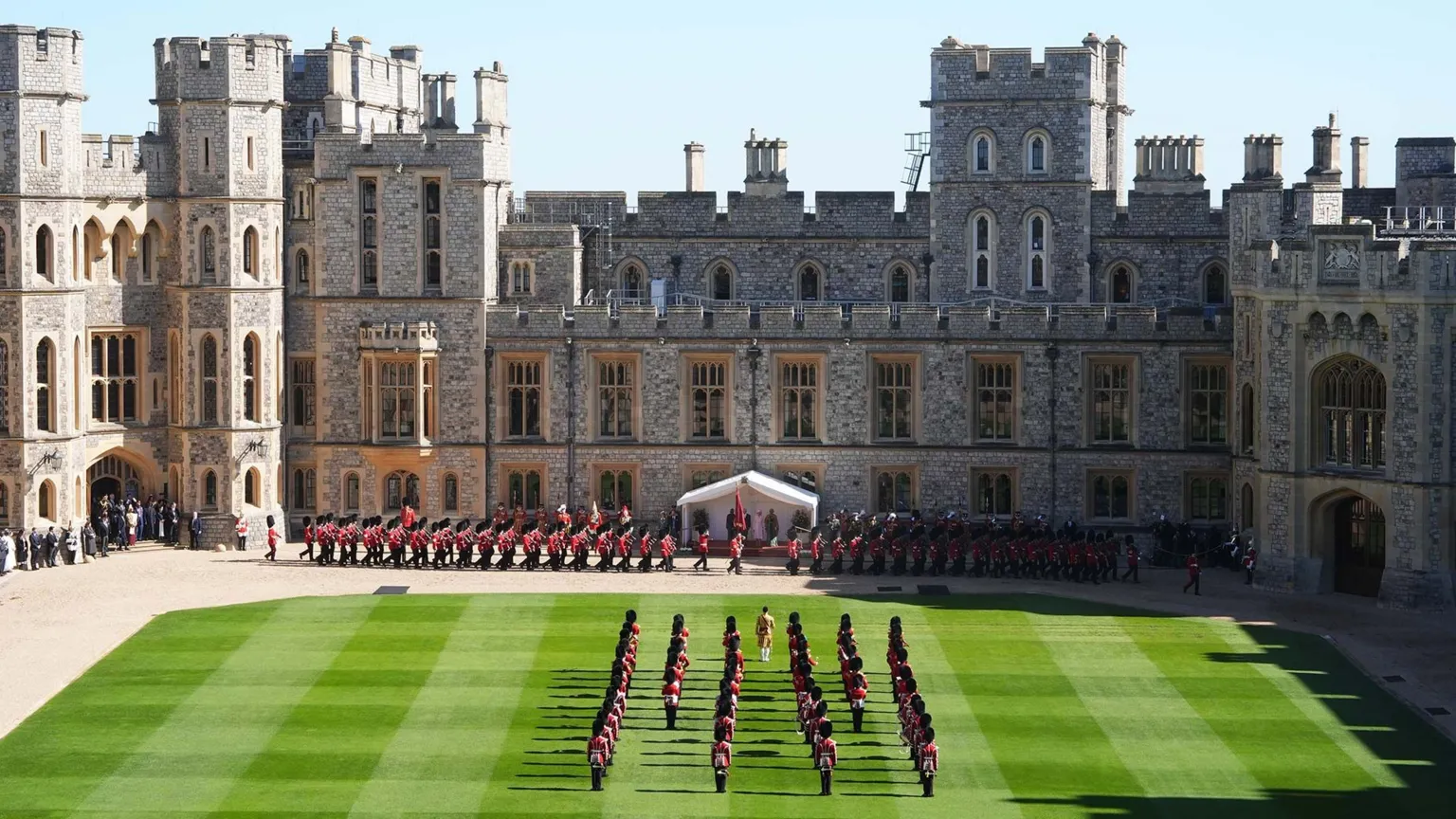
The state visit began with a ceremonial welcome at Windsor Castle, marked by traditional pomp and pageantry. In bright spring sunshine, President Tinubu and his wife arrived in traditional Nigerian robes, greeted by a military band, a gun salute, and a carriage procession through the castle’s historic quadrangle.
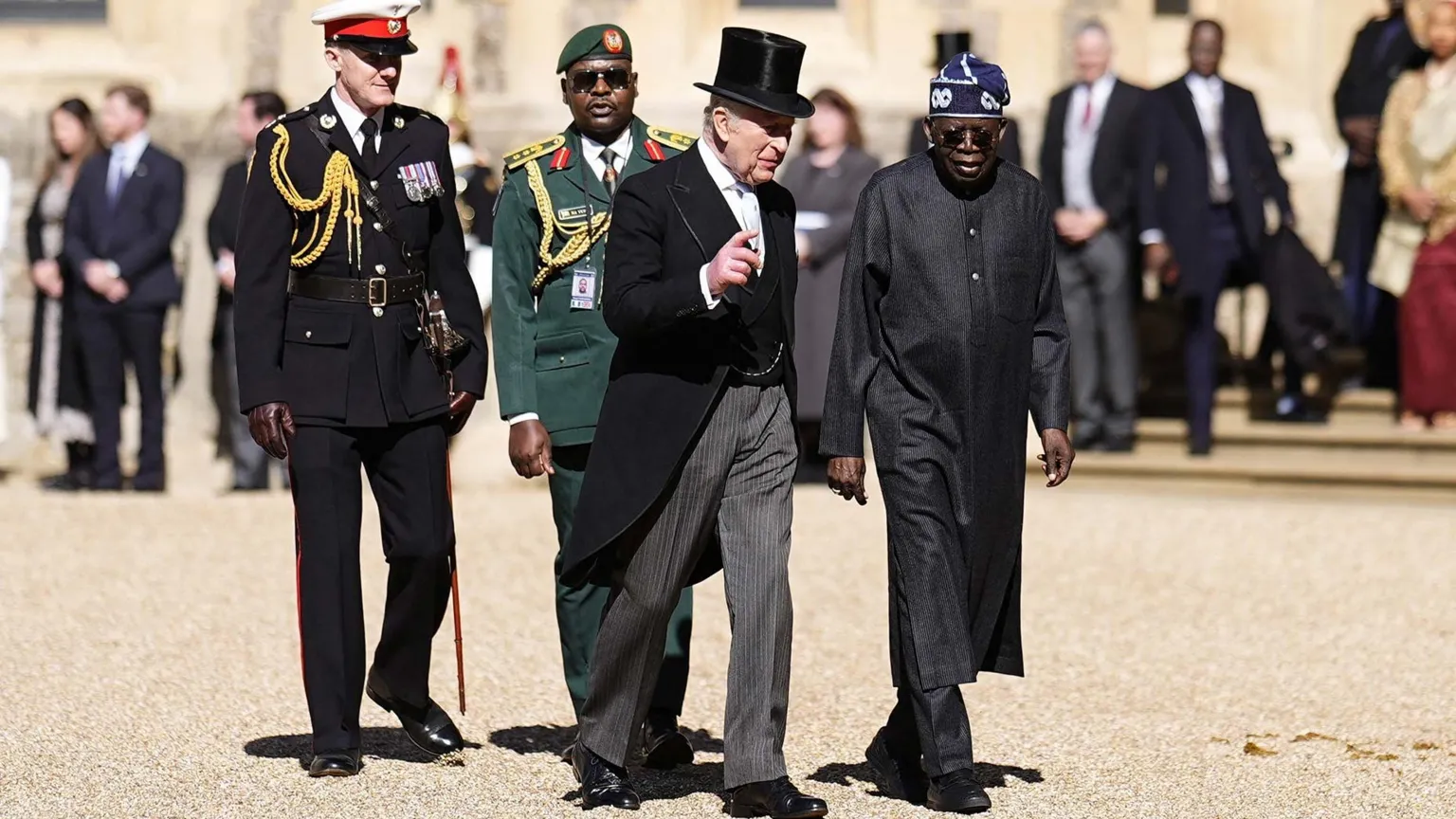
The Household Cavalry paraded with precision, and the King and Queen observed the proceedings alongside guests including UK Prime Minister Sir Keir Starmer. Official gifts were exchanged as tokens of goodwill: the Tinubus received handcrafted pottery, a silver photo frame of the royal couple, and a silver and enamel bowl. In return, the King and Queen were gifted a traditional Yoruba statuette and a jewellery box adorned with the faces of prominent Nigerian women.

This visit comes at a sensitive time for Nigeria, with security challenges such as recent suspected suicide bombings in Borno state attributed to Boko Haram militants. The visit’s timing underscores the UK’s commitment to supporting Nigeria through these difficulties.
Why This Visit Matters
This state visit symbolizes a pivotal moment in UK-Nigeria relations, transitioning from historical ties to a forward-looking economic partnership. With over 270,000 Nigerian-born residents in the UK, the visit also reflects deep personal and community connections between the countries.
Nigeria’s government spokesman Mohammed Idris described the visit as “turning a historic relationship into a modern economic partnership—transforming trust into opportunity.” Nigeria’s ongoing economic reforms and status as Africa’s largest consumer market make the UK a natural collaborator in fostering growth and development.
King Charles’s message of unity, mutual respect, and shared future ambitions resonates not only with diplomatic circles but also with the broader populations of both nations. His recognition of cultural contributions, commitment to religious harmony, and acknowledgment of difficult histories set a tone for continued cooperation.
As the two-day visit unfolds, the focus will remain on strengthening business links, enhancing cultural exchange, and nurturing the bonds that unite the UK and Nigeria.
Full details of ongoing discussions and outcomes from the visit have not yet been released.