

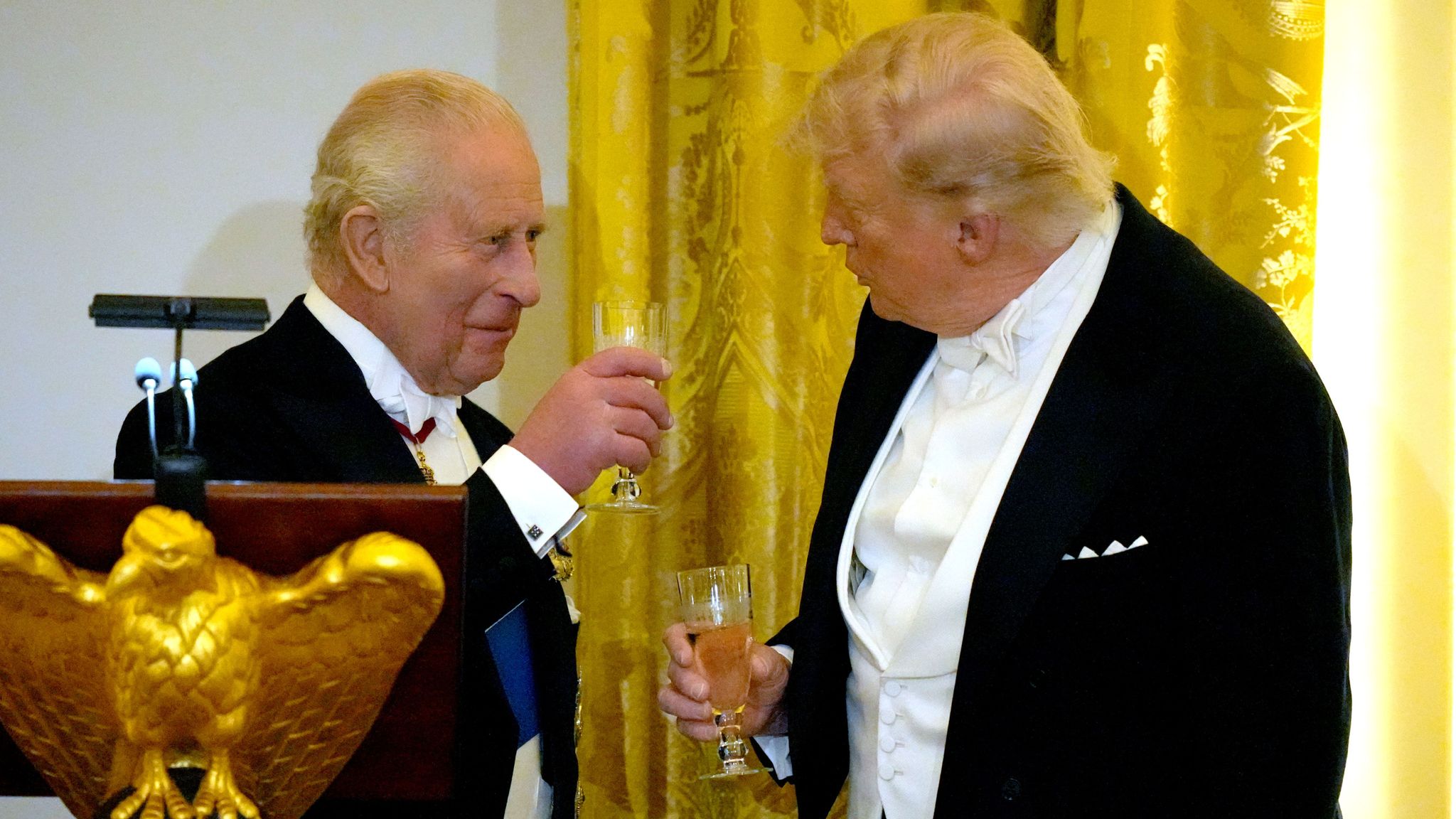
King Charles’s recent visit to the United States was always destined to spark controversy. Dispatched by the Starmer government to strengthen transatlantic ties, the royal tour quickly drew sharp criticism. Many viewed it as an awkward and even tawdry spectacle, with fears that the King was being used as little more than a prop for a narcissistic president eager to bask in royal reflected glory.
The Complex Dynamics of a Royal Visit Amid Political Turmoil
From the outset, Donald Trump’s fascination with the British royal family was clear—he has often cited his mother’s admiration for monarchy as a personal connection. But beyond personal fondness, Trump understands the American public’s enduring fascination with royal pageantry. This allure can boost his dwindling approval ratings, which remain at historic lows. The optics of hosting a monarch fit neatly into that formula.
Yet, the visit quickly exposed the underlying tensions. Trump’s reported attempt to attribute his own views on Iran’s nuclear ambitions to King Charles revealed how the president sought to exploit the King’s presence for political gain. Despite this, King Charles delivered two powerful speeches that resonated deeply with American audiences, emphasizing NATO’s importance, security cooperation, and support for Ukraine.
In a particularly striking moment, the King, a descendant of the American Revolution’s notorious adversary King George III, cautioned against the dangers of excessive executive power concentrated in one individual. This pointed message drew enthusiastic applause from Democrats, while Trump, known for his own expansive use of executive authority, chose to ignore it.
Soft Power vs. Hard Realities: The Visit’s Limited Reach
While King Charles’s oratory skills impressed, the core question remains: did the visit achieve its strategic objectives? The King’s mission was to leverage his unique soft power to mend frayed transatlantic relations. However, the challenges ran deep.
Most notably, the King’s association with Trump, a figure shadowed by serious allegations linked to the Epstein scandal—including accusations of sexual misconduct with a minor—cast a long shadow. The FBI’s multiple interviews with the accuser underline the gravity of these claims, which Trump vehemently denies. Adding to the controversy, King Charles declined to meet with Epstein survivors who had invited him, a decision likely to cause public unease and criticism.
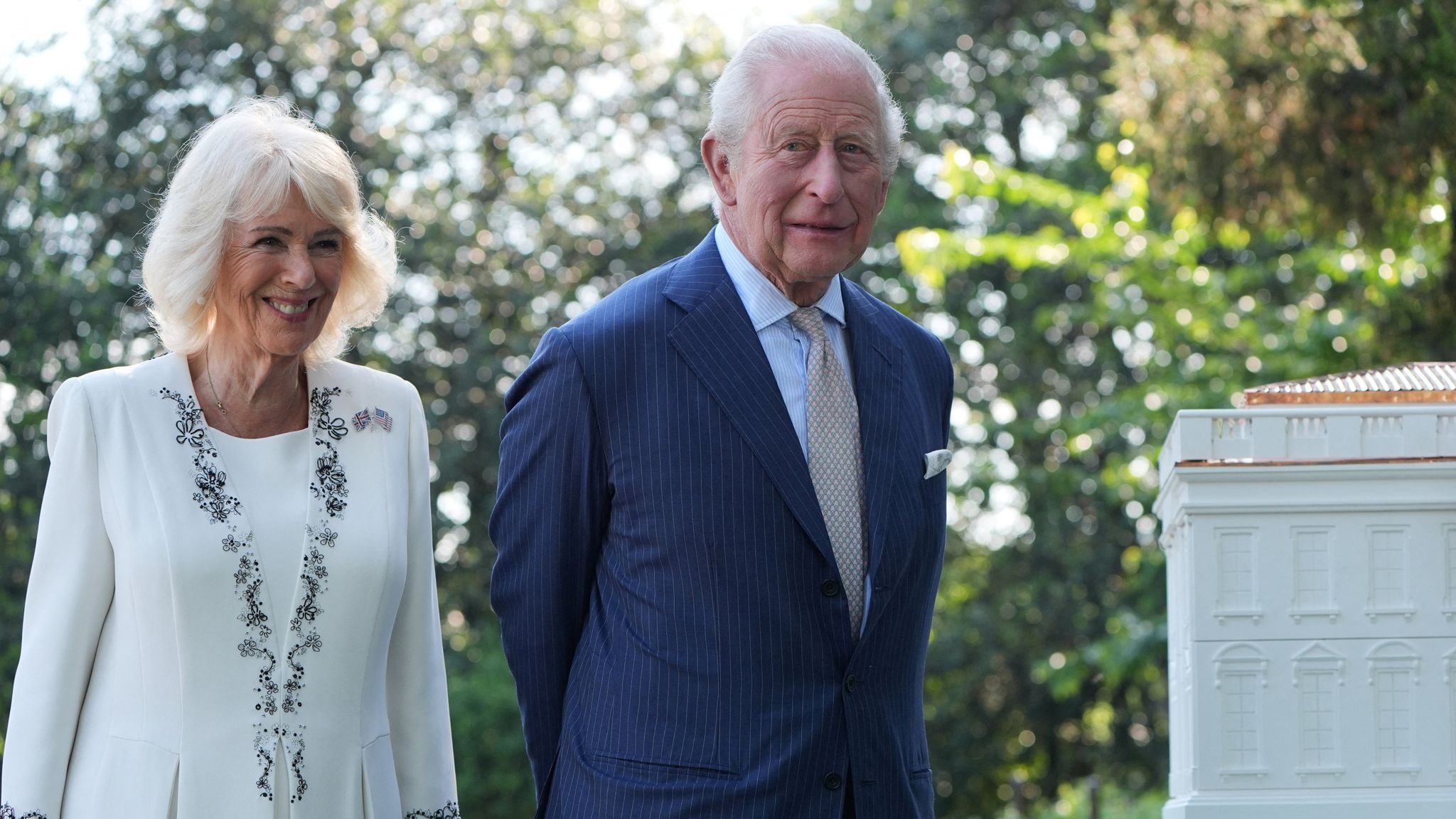
Historically, royal visits have been expensive and politically fraught. Trump’s previous trip to the UK reportedly cost taxpayers around £14 million, and despite the lavish welcome at Windsor Castle and extensive security measures, the hoped-for boost to UK-US relations failed to materialize. Since that visit, relations have worsened significantly. Trump publicly disparaged British soldiers’ sacrifices in Afghanistan, escalated trade tensions with tariffs, and alienated Britain by pursuing unilateral policies such as proposing to buy Greenland.
The UK’s refusal to support Trump’s aggressive posture toward Iran further deepened the diplomatic rift. Against this backdrop, King Charles’s efforts to salvage the relationship face an uphill battle.
What This Visit Means for UK-US Relations Going Forward
King Charles is renowned for his diplomatic finesse and capacity to engage with complex personalities. His visit undeniably enhanced Britain’s image and prestige among many Americans, especially those opposed to Trump’s administration. It provided a useful platform for reinforcing shared values and commitments, particularly around NATO and Ukraine.
However, the visit’s substantive impact on the relationship with the current US administration appears limited. The deep political divisions in Washington and Trump’s own unpredictability constrain any lasting breakthroughs. For now, Britain’s strengthened ties seem more symbolic than strategic—a temporary boost in goodwill rather than a foundation for durable cooperation.
Ultimately, the King’s US visit highlights the limitations of royal diplomacy in a fractious political landscape. While it may shore up support among American political opponents and reaffirm Britain’s global standing, it is unlikely to reverse the broader challenges clouding UK-US relations under this presidency.
As the dust settles, the true measure of success will be whether this high-profile visit translates into tangible improvements in diplomacy, trade, and security cooperation—or simply remains a fleeting moment of royal spectacle amid persistent political discord.