

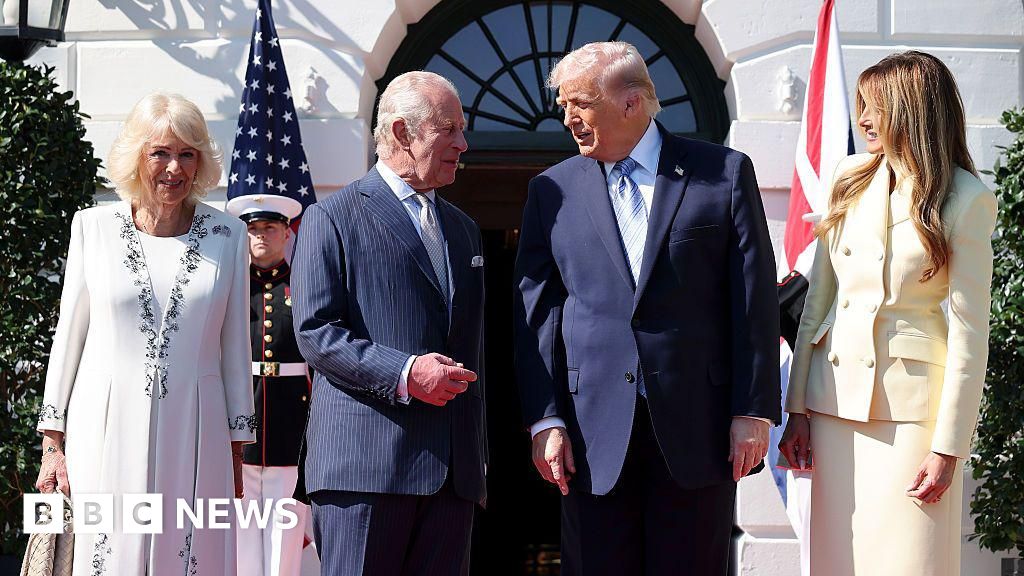
The glittering ceremony, warm exchanges, and meticulous pageantry of King Charles’s recent visit to the United States captivated audiences worldwide. Yet, as the fanfare subsides and formal dinners conclude, the pressing question remains: will this historic royal tour translate into a meaningful reset in the complex relationship between the UK and the US?
Setting Realistic Expectations for the Visit
British diplomats approached King Charles’s state visit with measured pragmatism. They understood that, despite the grandeur and goodwill, the visit alone could not overhaul the longstanding and multifaceted ties between London and Washington. Deep-rooted differences persist on several critical issues—including policies on Iran, NATO commitments, the ongoing conflict in Ukraine, and trade negotiations.
Complicating matters further are lingering political tensions, highlighted by former President Donald Trump’s pointed criticisms of UK Labour leader Sir Keir Starmer. Such political undercurrents underscore the challenges in achieving a full reset through a single diplomatic engagement, no matter how high-profile.
Instead, officials hoped the King’s visit would at least soften the tone of bilateral interactions and create a more conducive atmosphere for dialogue. This goal reflects a realistic understanding of diplomacy: sometimes the most vital progress lies not in immediate policy shifts but in reducing friction and opening channels for future cooperation.
King Charles as a Diplomatic Stabilizer
Before the visit, Sir David Manning, the former UK ambassador to the US, described King Charles as “a stabiliser, a shock absorber” capable of easing tensions. Manning suggested that the King’s unique position as a respected outsider could help foster a better climate for engagement, even amid the complexities of dealing with the Trump administration’s unpredictable approach to foreign relations.
True to this vision, King Charles wielded his charm and wit with precision. His speeches praised the United States, its people, and its leadership in a tone that was both sincere and diplomatically savvy—qualities that many British politicians might envy. This approach helped bridge cultural and political gaps, reminding audiences on both sides of the Atlantic of the deep historical bonds underpinning the alliance.
One of the visit’s most memorable moments came when King Charles presented then-President Trump with a ship’s bell from the HMS Trump. This symbolic gesture was more than a quaint gift; it represented a nuanced diplomatic overture, blending tradition with a subtle message of partnership and respect.
Why This Visit Matters for UK-US Relations
While the King’s visit did not resolve the thorny policy disagreements that divide the UK and US, it played a crucial role in resetting the atmosphere. By lowering the diplomatic temperature, the visit paved the way for more constructive conversations on issues such as trade, security, and geopolitical challenges.
In the broader context, this visit underscores the enduring importance of personal diplomacy. In an era marked by political polarization and rapid global change, figures like King Charles can serve as unifying symbols who reinforce longstanding alliances beyond the partisan fray.
Moreover, the visit highlights how soft power—the ability to shape preferences through appeal and attraction—remains vital in international relations. Through his speeches, gestures, and demeanor, King Charles demonstrated that the monarchy continues to hold unique influence in fostering goodwill and mutual understanding.
Looking Ahead: What Comes Next?
The King’s visit serves as a reminder that diplomacy often unfolds incrementally. While a single royal tour cannot resolve complex geopolitical disputes, it can lay essential groundwork for future collaboration. The softened tone between London and Washington may encourage officials on both sides to tackle difficult issues with renewed commitment and less acrimony.
For the UK, maintaining a strong relationship with the United States is critical—not only for security and trade but also for navigating an increasingly volatile international landscape. King Charles’s visit reaffirmed the symbolic and practical value of this alliance, reminding both nations that partnership endures even amid disagreements.
Ultimately, the lasting impact of the visit will depend on how political leaders build on the goodwill generated. If the King’s role as a diplomatic stabilizer helps create space for dialogue and understanding, this historic trip could mark the beginning of a subtle but meaningful reset in UK-US relations.
In a world fraught with uncertainty, King Charles’s visit demonstrated that diplomacy, infused with tradition and tact, remains a powerful tool for bridging divides and sustaining enduring alliances.