

The UK government is preparing to publish a landmark bill next week that aims to outlaw conversion therapy practices targeting gay and transgender individuals. This decisive move signals a major shift toward protecting LGBTQ+ rights and safeguarding vulnerable communities from harmful and pseudoscientific interventions.
What Is Conversion Therapy and Why Ban It?
Conversion therapy refers to a range of discredited and damaging practices that attempt to change an individual’s sexual orientation or gender identity. These interventions have been widely condemned by health experts, human rights organizations, and survivors for their psychological harm and ethical violations.
Often conducted under the guise of religious or therapeutic counseling, conversion therapy can involve coercion, emotional abuse, and even physical mistreatment. It has been linked to increased rates of depression, anxiety, and suicidal ideation among LGBTQ+ individuals subjected to such treatments.
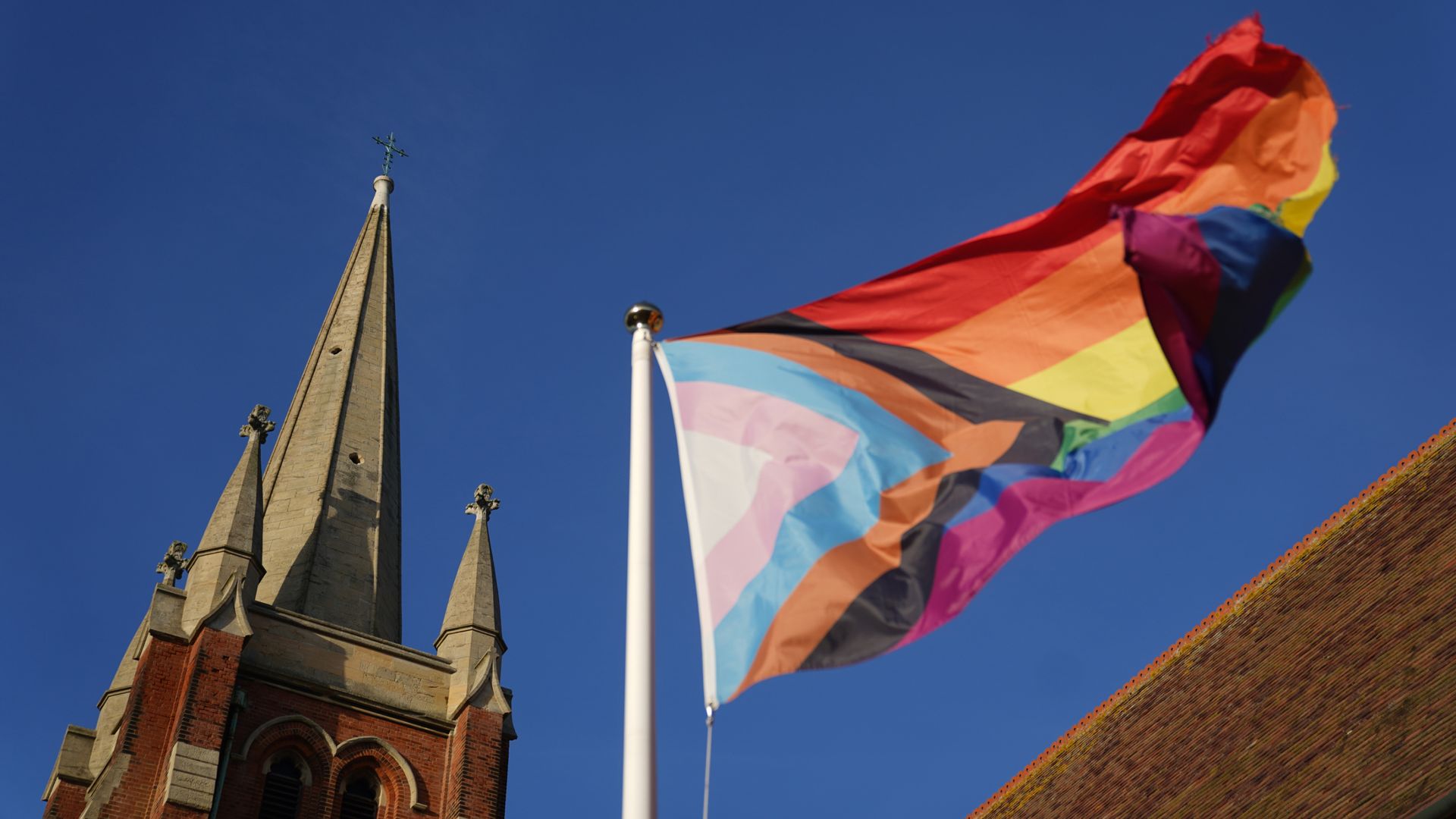
Despite growing awareness of its dangers, conversion therapy remains legal in many parts of the world, including the UK until now. Advocates have long pushed for comprehensive legislation to ban these practices outright, citing the urgent need to protect young people and marginalized communities from irreversible damage.
Details of the Upcoming Legislation
Multiple sources close to the government have confirmed that the bill will be published next week, marking a critical step in formalizing the UK’s commitment to ending conversion therapy. While specific provisions are yet to be released, the legislation is expected to cover both gay and transgender conversion practices.
The bill will likely criminalize any attempt to alter or suppress an individual’s sexual orientation or gender identity, with penalties for practitioners who continue to offer such services. It is anticipated to encompass not only medical professionals but also religious leaders and unregulated counselors who engage in conversion efforts.
This move aligns the UK with a growing number of countries that have enacted bans on conversion therapy, including Canada, Germany, and parts of the United States. The legislation is also expected to establish clearer guidelines for enforcement and victim support.
Why This Legislation Matters
Banning conversion therapy represents more than just a legal change—it is a powerful affirmation of the rights and dignity of LGBTQ+ people across the UK. For decades, conversion therapy has inflicted trauma on countless individuals, often leaving lasting scars.
The bill’s publication will provide hope and tangible protection for those who have faced discrimination and abuse simply because of their identity. It also signals the government’s recognition of the urgent need to align policies with contemporary understanding of gender and sexuality.
Moreover, the legislation is expected to foster wider societal acceptance by formally rejecting harmful and unfounded practices. It sends a clear message that attempts to “fix” or “cure” LGBTQ+ people are unacceptable and will no longer be tolerated.
Advocates emphasize that this ban could help reduce stigma, encourage safer environments, and promote mental health and well-being among LGBTQ+ individuals. The bill is also likely to inspire further reforms in education, healthcare, and social services to better support diverse identities.
Looking Ahead: What Comes Next?
Following the bill’s publication, Parliament will debate its clauses and consider amendments. Stakeholders including advocacy groups, medical professionals, and religious organizations will have opportunities to provide input during the legislative process.
Once passed, the government will need to implement effective enforcement mechanisms and public education campaigns to ensure the ban’s success. Monitoring and evaluation will be critical to measure the law’s impact and address any gaps.
As the UK takes this monumental step, it joins a global movement toward safeguarding LGBTQ+ rights and ending conversion therapy once and for all. The bill’s publication next week marks the beginning of what many hope will be a new era of inclusion and respect.
In summary, the forthcoming UK bill to ban gay and transgender conversion therapy represents a vital human rights milestone. It promises to protect vulnerable individuals from harmful practices, promote acceptance, and align legal frameworks with modern understanding of sexual orientation and gender identity. This legislation is poised to bring lasting change and reaffirm the dignity of the LGBTQ+ community across the nation.