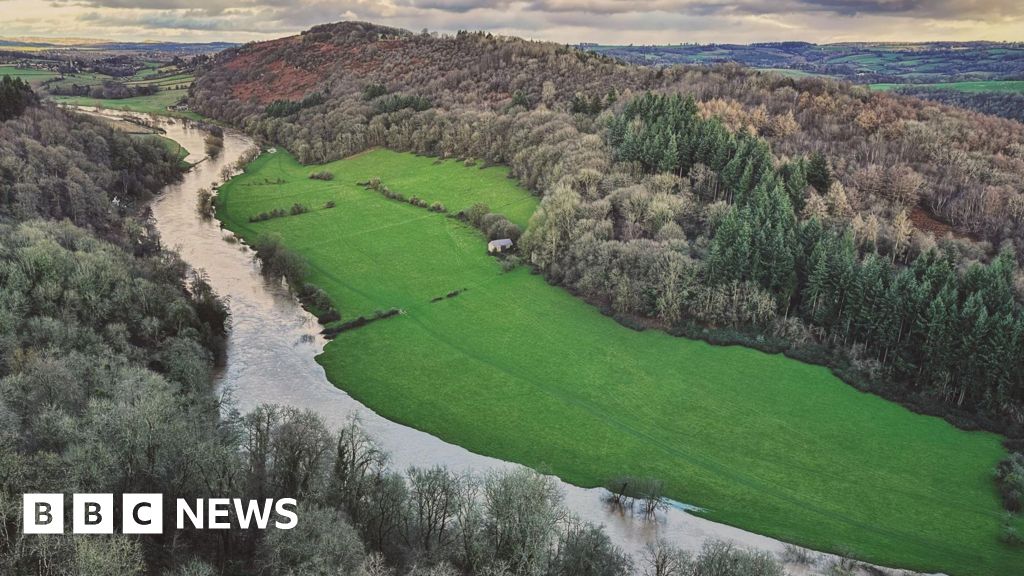
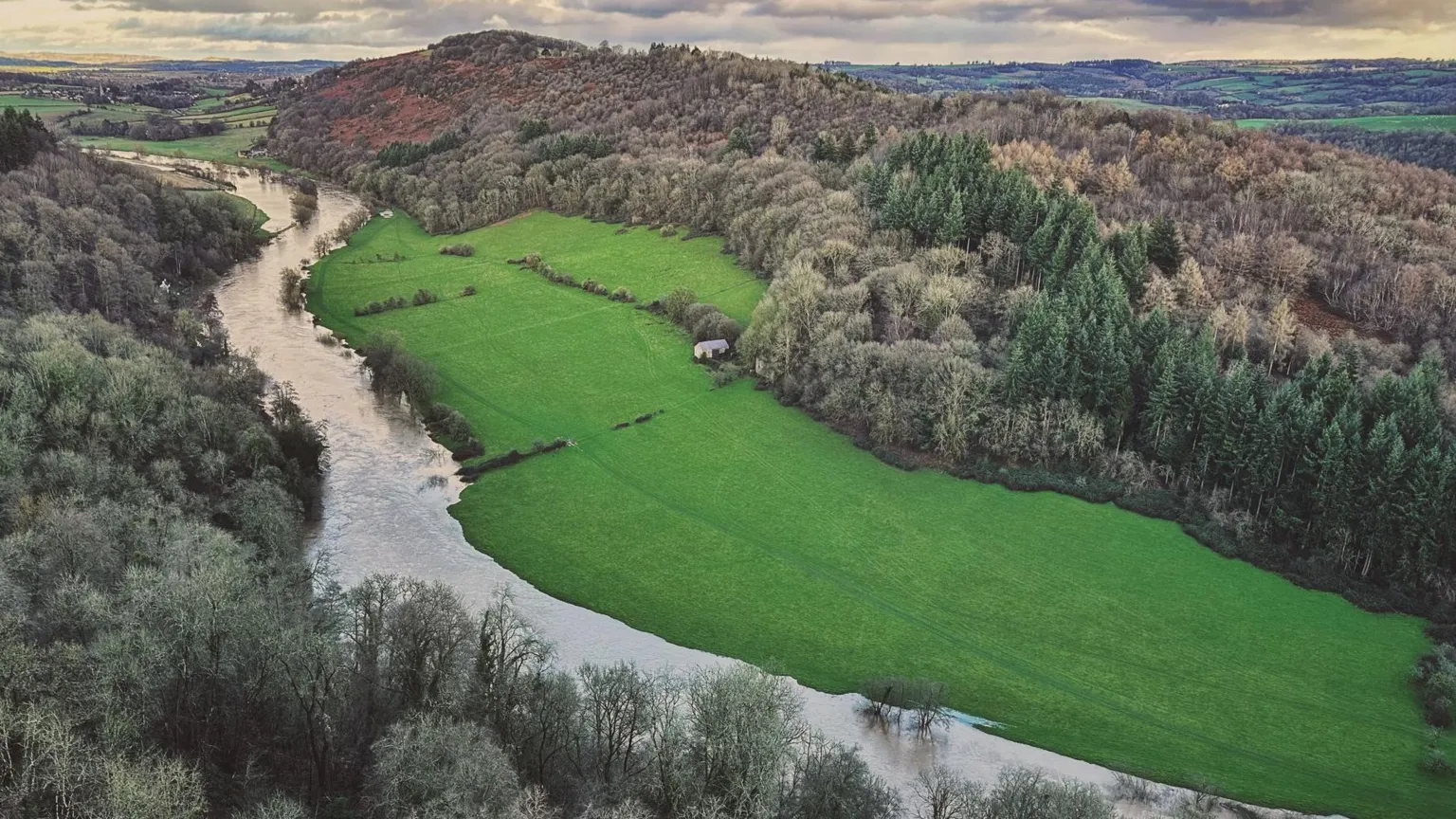
The River Wye, one of the UK’s longest and most cherished waterways, faces an unprecedented legal challenge as campaigners launch the country’s biggest environmental pollution claim. This landmark case seeks to hold major poultry producers accountable for widespread pollution that has severely damaged the river’s ecosystem.
The Crisis on the River Wye: A River Under Siege
Wildlife filmmaker Ms. Evans expressed deep concern about the deteriorating state of the River Wye, describing its current condition as shocking and unacceptable. “That just isn’t what this river should look like and feel like and smell like,” she told BBC News while standing on the riverbank near her home. She highlighted what she called a “systemic failure” in protecting the river, stating that legal action was the only viable path to force polluters to take responsibility.
Environmentalists have long warned that the rapid expansion of industrial chicken farming within the River Wye’s catchment area is a primary driver of pollution. This region is home to approximately 24 million chickens, raised mainly in large-scale sheds. This staggering number represents nearly one-fifth of all the chickens reared for meat in the UK.
Historically, manure from these chicken farms was used as a cheap fertiliser by nearby arable farmers. However, campaigners argue that this practice has had devastating environmental consequences. Nutrients such as phosphorus, nitrogen, and bacteria from the manure frequently wash off farm fields and flow into the river system.
During warm weather, this nutrient overload creates a phenomenon known as “algal blooming,” where the water turns green and oxygen levels drop, damaging aquatic life and disrupting the natural balance of the river’s ecosystem.
Official Assessments Confirm Decline
In 2023, Natural England, the UK government’s official advisory body on environmental matters, assessed the River Wye’s condition as “unfavourable – declining.” This stark rating reflects growing concerns over water quality and the health of the river’s habitats.
The 2024 River Wye Action Plan further detailed the causes of the decline, citing excessive nutrient pollution from farming and wastewater discharges. It also highlighted the impact of climate change, noting that rising water temperatures and reduced water flow during hot, dry summers exacerbate the river’s vulnerability.

The Legal Challenge: Holding Poultry Giants Accountable
The legal claim has been brought forward by the law firm Leigh Day, operating on a no-win, no-fee basis. The case targets major poultry companies, including Avara Foods and its subsidiary Freemans of Newent, alleging they should be held responsible for the pollution caused by their operations.
Although the manure is spread by arable farmers, the claim argues that these poultry companies controlled the supply chain and knowingly expanded production in a way that would inevitably harm the rivers. Leigh Day lawyer Celine O’Donovan explained to BBC News that the companies “knew what the outcome of their operations were going to be” and profited from them.
She emphasized that responsibility must lie with those who had control and foresight over the environmental damage. “The responsibility for the decline of these rivers needs to lie with the people that knew what was going to happen and have made the money from it,” O’Donovan stated.
Why This Case Matters
This legal battle is more than a fight over pollution; it represents a crucial test of corporate accountability in environmental stewardship. The River Wye is not only a natural treasure but also a vital resource for local communities, wildlife, and the wider ecosystem.
The outcome could set a powerful precedent for how environmental damage caused by industrial agriculture is addressed in the UK. If successful, it may compel other industries to adopt more sustainable practices and ensure polluters bear the costs of their impact on natural habitats.
For residents, wildlife enthusiasts, and environmental advocates, the case offers hope that systemic failures can be challenged through the courts. It also shines a spotlight on the urgent need for stronger regulations and enforcement to protect the UK’s rivers from agricultural pollution.
Looking Ahead
As this landmark case unfolds in the High Court, all eyes will be on how the legal system navigates the complex intersection of industrial farming, environmental law, and corporate responsibility. The future health of the River Wye—and potentially other waterways across the UK—may depend on the outcome.
Full details have not yet been released, but the case marks a pivotal moment in the ongoing struggle to safeguard the environment from unchecked pollution.