

More than five decades after the tragic death of Marian Beattie, authorities have arrested a suspect in connection with her 1973 murder. The 18-year-old’s body was discovered at the bottom of a quarry in County Tyrone, Northern Ireland, sparking a case that remained unresolved for over 50 years. This breakthrough breathes new hope into a decades-old investigation and underscores the persistent efforts of law enforcement to bring closure to cold cases.
The 1973 Murder of Marian Beattie: What Happened?
On the evening of Friday, March 30, 1973, Marian Beattie attended a charity dance held at Hadden’s Garage in Aughnacloy, Co Tyrone. She was there to support her brother, who was performing in the band. Tragically, Marian never returned home. Her body was later found at the bottom of a nearby quarry, marking the beginning of one of Northern Ireland’s most enduring unsolved murders.
Authorities at the time faced significant challenges in solving the case, with limited forensic technology and fewer investigative resources. Over the years, the case has remained a haunting mystery, with police issuing several appeals for information but receiving few substantial leads. The prolonged cold status of the case reflects the difficulties in tackling historic crimes, where witnesses and evidence can become scarce or degraded.
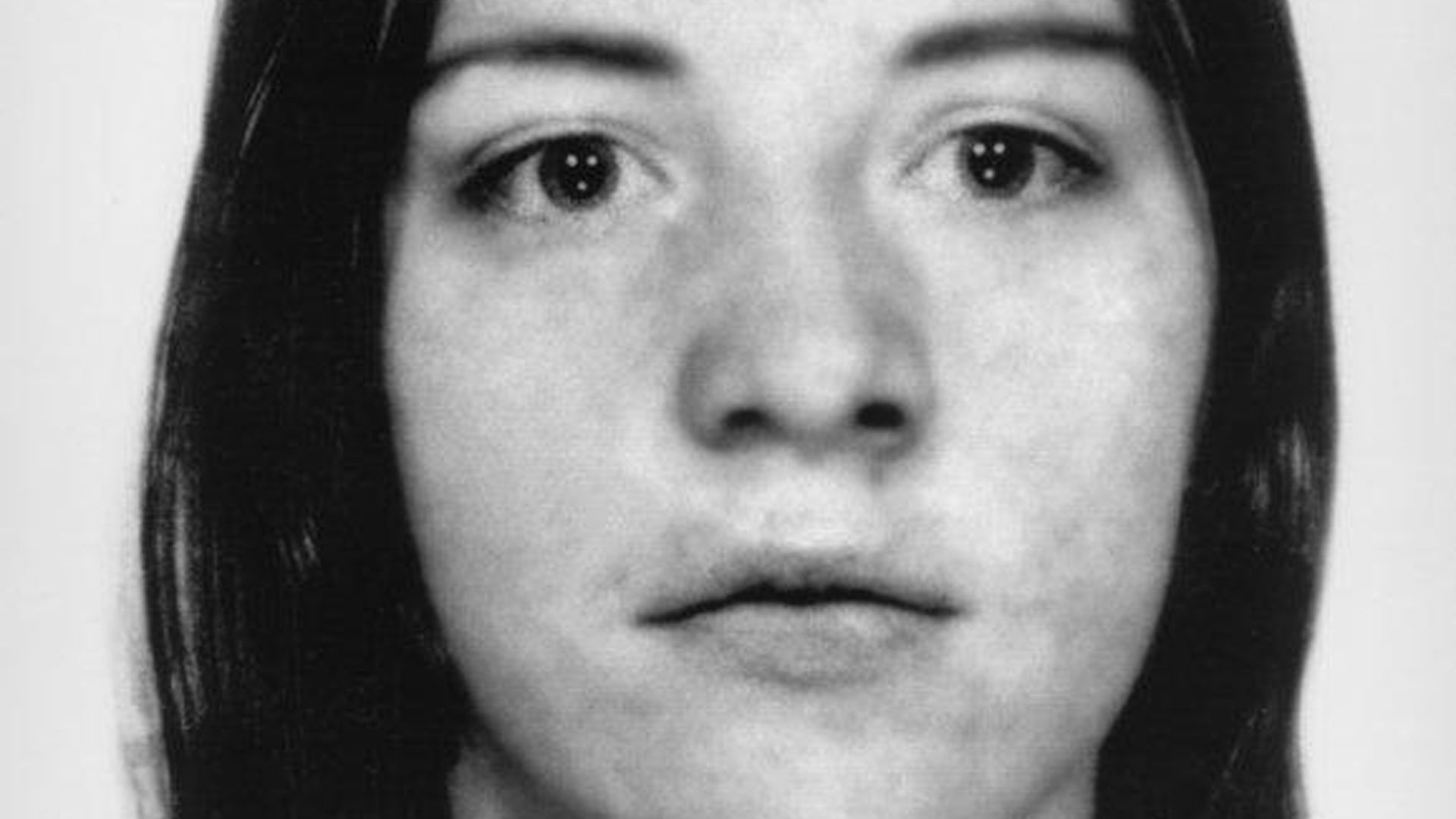
Recent Developments: The Arrest That Could Unlock Answers
In an unexpected turn, the Police Service of Northern Ireland (PSNI) recently arrested a man in connection with Marian Beattie’s murder. While details about the suspect and the evidence leading to the arrest remain limited, this action signifies a major step forward. It represents the culmination of renewed investigative efforts fueled by advancements in forensic science, including DNA analysis and improved cold case review techniques.
The PSNI has also launched a fresh appeal for information from the public, urging anyone with knowledge related to the case to come forward. This renewed push highlights the critical role that community cooperation plays in solving historic cases. Even after many years, new testimonies or previously undisclosed information can provide pivotal breakthroughs.
Why This Case Still Matters Today
The murder of Marian Beattie is more than a historical crime; it is a stark reminder of the pain endured by victims’ families and communities left seeking justice. For over 50 years, Marian’s family has lived with unanswered questions and the anguish of an unresolved loss. The recent arrest offers a chance not only for legal closure but also for emotional healing.
Moreover, this development underscores the importance of sustained commitment to cold cases. As forensic technologies evolve, cases once thought unsolvable can be revisited with fresh eyes. The persistence of law enforcement agencies like the PSNI demonstrates that time does not diminish the pursuit of justice.
This case also serves as a call to action for communities to engage with law enforcement. Public tips and information can be invaluable, especially in cases where initial investigations faced obstacles. It reminds us that even decades-old crimes can be cracked with collective effort and modern investigative tools.
Looking Ahead: What Comes Next?
The arrest marks the beginning of a crucial phase in the investigation. Authorities will now work to build a robust case that can stand up in court, while balancing the sensitivities inherent in such a long-dormant matter. As the legal process unfolds, the public and Marian’s family will be watching closely for answers and accountability.
This renewed momentum in the Marian Beattie case exemplifies how justice can eventually prevail, even after many years. It reinforces the message that no case is too old to be solved and that the search for truth endures.
Full details surrounding the arrest remain under investigation, and further updates are expected as the case progresses.