

Multiple agencies failed to intervene effectively, leading to the tragic death of a two-year-old child at the hands of his own grandparents, a recent investigation has uncovered. The report highlights serious lapses in safeguarding practices, raising urgent questions about child protection systems and their ability to prevent such devastating outcomes.
What Happened: A Tragic Failure to Protect
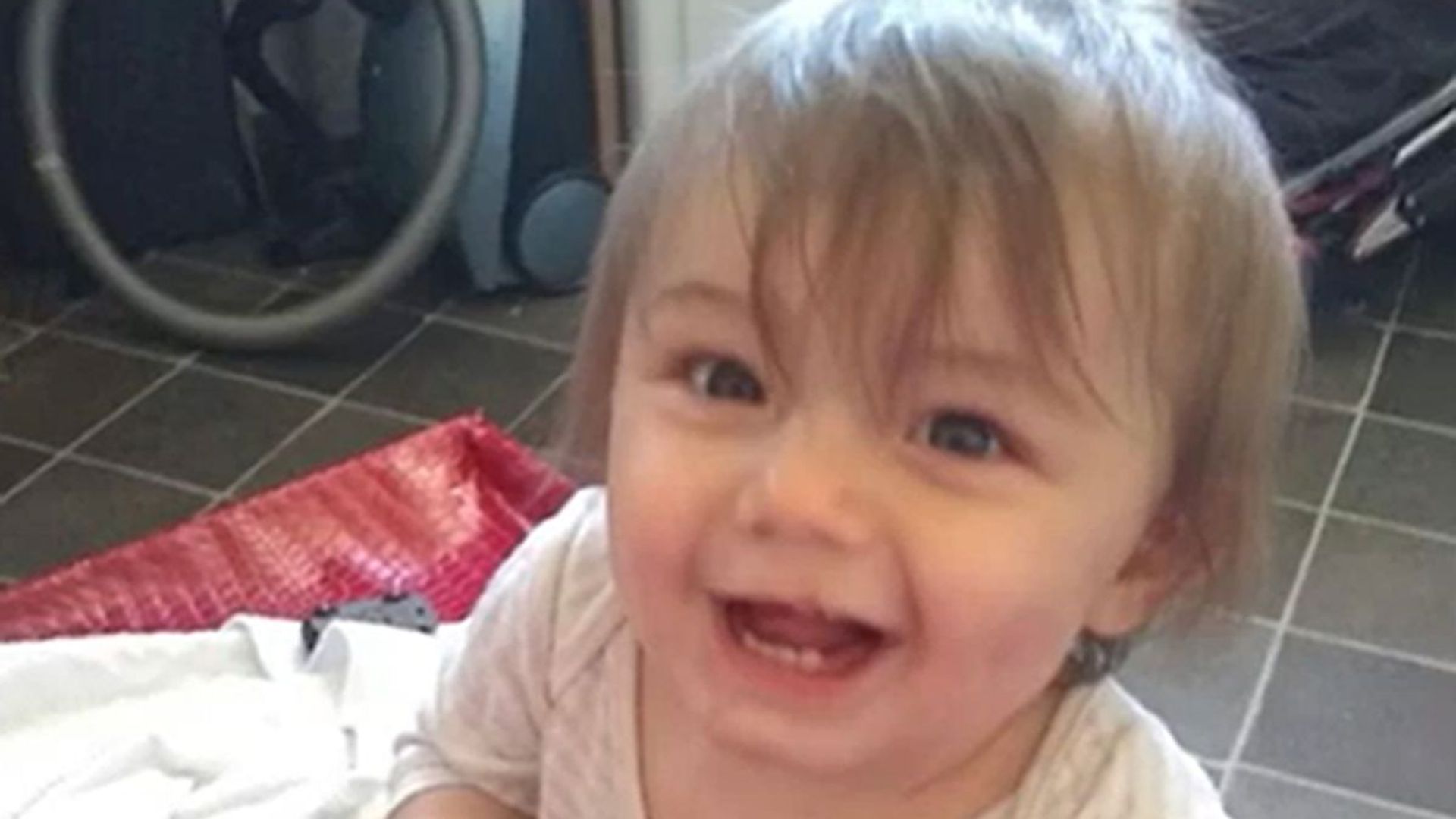
The heartbreaking case centers on a two-year-old boy who was ultimately killed by his grandparents. Despite numerous warning signs and several chances to intervene, local authorities and child protection agencies did not take sufficient action to safeguard the child. The report reveals that these missed opportunities occurred across different stages of engagement, including home visits, social services assessments, and inter-agency communication.
Throughout the child’s short life, professionals observed distress signals and indicators of potential harm but failed to connect these dots or escalate concerns effectively. The grandparents had a history of involvement with child welfare services, which should have prompted more rigorous oversight and protective measures. However, fragmented communication and procedural shortcomings allowed the situation to deteriorate unchecked.
Why It Matters: The Systemic Gaps in Child Protection
This case sheds light on critical weaknesses within the child safeguarding framework. When agencies do not share information promptly or lack clarity on roles and responsibilities, vulnerable children remain at heightened risk. The report underscores how bureaucratic delays and inconsistent risk assessments can have fatal consequences.
Grandparents and extended family members are often overlooked in safeguarding strategies, yet they frequently play a significant caregiving role. This tragedy reveals the urgent need for tailored approaches that recognize the unique dynamics of such family setups. Additionally, the report calls for enhanced training and resources for frontline workers to better identify and respond to signs of abuse or neglect.
The failure to protect this child also highlights the importance of community awareness and proactive reporting. Neighbors, educators, and healthcare providers must be equipped to recognize early warning signs and understand the channels for raising concerns. Strengthening collaboration between statutory agencies and community stakeholders is vital to creating a safety net around at-risk children.
What Comes Next: Lessons and Reforms for Safer Futures
Following the report, child protection authorities are under pressure to implement comprehensive reforms. These include improving multi-agency cooperation, standardizing risk assessment protocols, and ensuring accountability for safeguarding failures. The recommendations emphasize creating a child-centered approach that prioritizes timely intervention and continuous monitoring.
Policymakers are also urged to allocate more funding toward social services, allowing for smaller caseloads and more thorough case management. Investing in technology to facilitate information sharing and tracking could further prevent critical oversights. Moreover, the report advocates for legislative changes that mandate stricter scrutiny of relatives involved in child care, especially when previous concerns exist.
Community education campaigns are expected to accompany these systemic changes, empowering individuals to act swiftly when they suspect a child’s safety is compromised. Ultimately, the goal is to build a resilient child protection network that leaves no warning sign ignored and no child unprotected.
Closing Takeaway: A Call to Action for Child Safety
The tragic loss of this two-year-old boy serves as a stark reminder that safeguarding children demands unwavering vigilance, coordination, and commitment. Every missed chance to intervene represents a failure not only of systems but of society’s responsibility to its most vulnerable members. By learning from these failures and implementing robust reforms, we can work toward a future where no child’s life is cut short by preventable harm.
Ensuring the safety and well-being of children requires continuous improvement, transparency, and shared responsibility among families, professionals, and communities. This report is a crucial catalyst, urging all stakeholders to renew their dedication to protecting children and preventing similar tragedies from occurring again.