Nissan is revolutionizing the iconic London black cab by eliminating diesel engines in its latest model, marking a significant step towards cleaner urban transportation. This move aligns with growing environmental concerns and regulatory pressures aimed at reducing air pollution in major cities, particularly London. The new taxi, powered by a 1.6 litre petrol engine, promises to be a far cleaner alternative to the traditional diesel cabs that have long dominated the capital’s streets and surrounding regions.
Innovations Behind the New London Black Cab
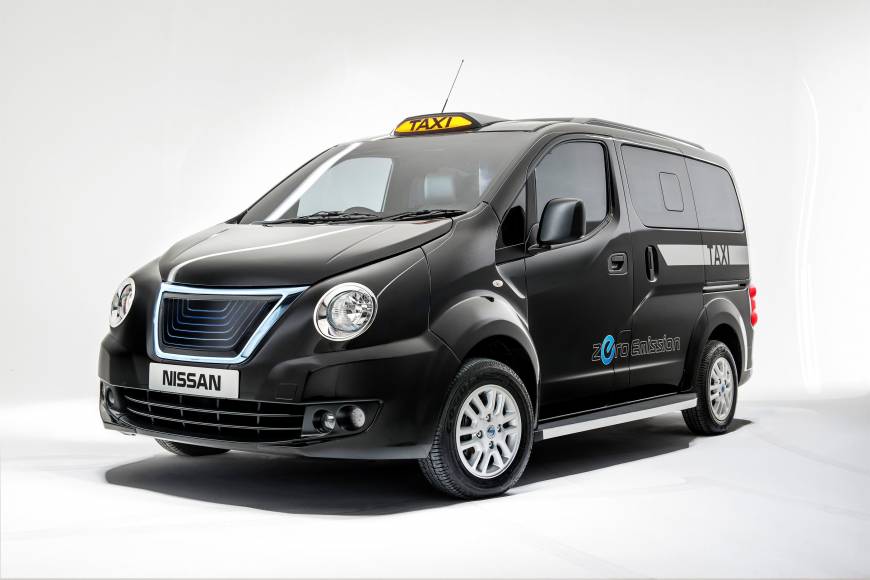
The revamped black cab boasts several noticeable design updates that blend tradition with modernity. Nissan has retained the classic silhouette familiar to Londoners but introduced fresh styling elements including round headlamps, a redesigned grille, and updated front bumper panels. These tweaks not only enhance the vehicle’s aesthetic appeal but also improve functionality and pedestrian safety.
Originally unveiled in August 2012, this model has undergone careful refinement based on extensive feedback from the office of then London Mayor Boris Johnson. This collaborative approach ensured the vehicle meets the specific needs and standards required for one of the world’s most iconic taxi fleets.
 Nissan designed the cab at its west London design centre
Engineering Excellence and London-Specific Requirements
The new taxi was developed at Nissan’s European design centre located in Paddington, west London. This facility has gained recognition for producing successful models such as the Qashqai and Juke, and now applies that expertise to the black cab’s unique demands. Designing a vehicle that fits London’s strict regulations requires balancing innovation with tradition.
One of the most challenging requirements is complying with Transport for London’s strict rules governing Hackney Carriages. The cab must have a tight turning circle of just 25 feet, enabling drivers to navigate the city’s narrow streets and perform the famous three-point turns on busy roads. Nissan has ensured the new petrol model adheres precisely to this specification, maintaining the agility that London’s taxi drivers depend on.
Beyond maneuverability, the new cab is equipped with an automatic transmission, which is expected to improve driver comfort and efficiency during long shifts. It also retains the traditional orange taxi sign, a symbol synonymous with London’s black cabs, though now mounted on a more contemporary vehicle.
Market Timing and Industry Context
The new Nissan black cab is slated to go on sale in December, positioning it perfectly for drivers seeking to upgrade their vehicles ahead of tightening emissions regulations. This update comes less than a year after the Chinese car manufacturer Geely acquired Manganese Bronze, the Coventry-based company traditionally responsible for producing London’s black cabs.
Manganese Bronze had entered administration in 2012, and Geely’s £11 million purchase of the company signaled an important shift in the London taxi manufacturing landscape. Nissan’s entry with a petrol-powered model presents a competitive alternative, emphasizing cleaner technology without sacrificing the practical features that define the London cab experience.
Why This Matters: The Future of London’s Iconic Taxis
The decision to move away from diesel engines in London’s black cabs represents more than just a technical upgrade; it reflects a broader commitment to improving urban air quality and reducing carbon emissions. Diesel engines, while once favored for their fuel efficiency and torque, have come under increased scrutiny due to their contribution to nitrogen oxide and particulate pollution, which exacerbate respiratory problems and degrade city air.
By adopting a cleaner petrol engine, Nissan is responding to environmental imperatives and regulatory demands, potentially setting a new standard for urban taxis. This change benefits not only passengers but also the drivers who spend long hours behind the wheel in congested city environments.
Moreover, continuing to innovate within the framework of Transport for London’s regulations preserves the unique identity of the black cab while ushering it into a new era of sustainability. The blend of familiar design elements with modern engineering advances ensures that the London taxi remains both a cultural icon and a practical, forward-looking mode of transportation.
__IMAGE_PLACEHOLDER_1__
As cities worldwide grapple with pollution and climate change challenges, Nissan’s petrol-powered London black cab offers a glimpse into how legacy vehicles can evolve to meet 21st-century demands without losing their heritage. With the new model’s launch on the horizon, London is poised to lead the way in demonstrating how tradition and innovation can coexist on the city streets.