

Just days after the United Kingdom and France finalized a landmark £662 million agreement aimed at halting dangerous migrant crossings in the English Channel, more than 100 migrants were rescued from the perilous waters. This incident underscores both the ongoing challenges of tackling illegal crossings and the urgency behind intensified border enforcement efforts.
What Happened in the Latest Rescue Operation?
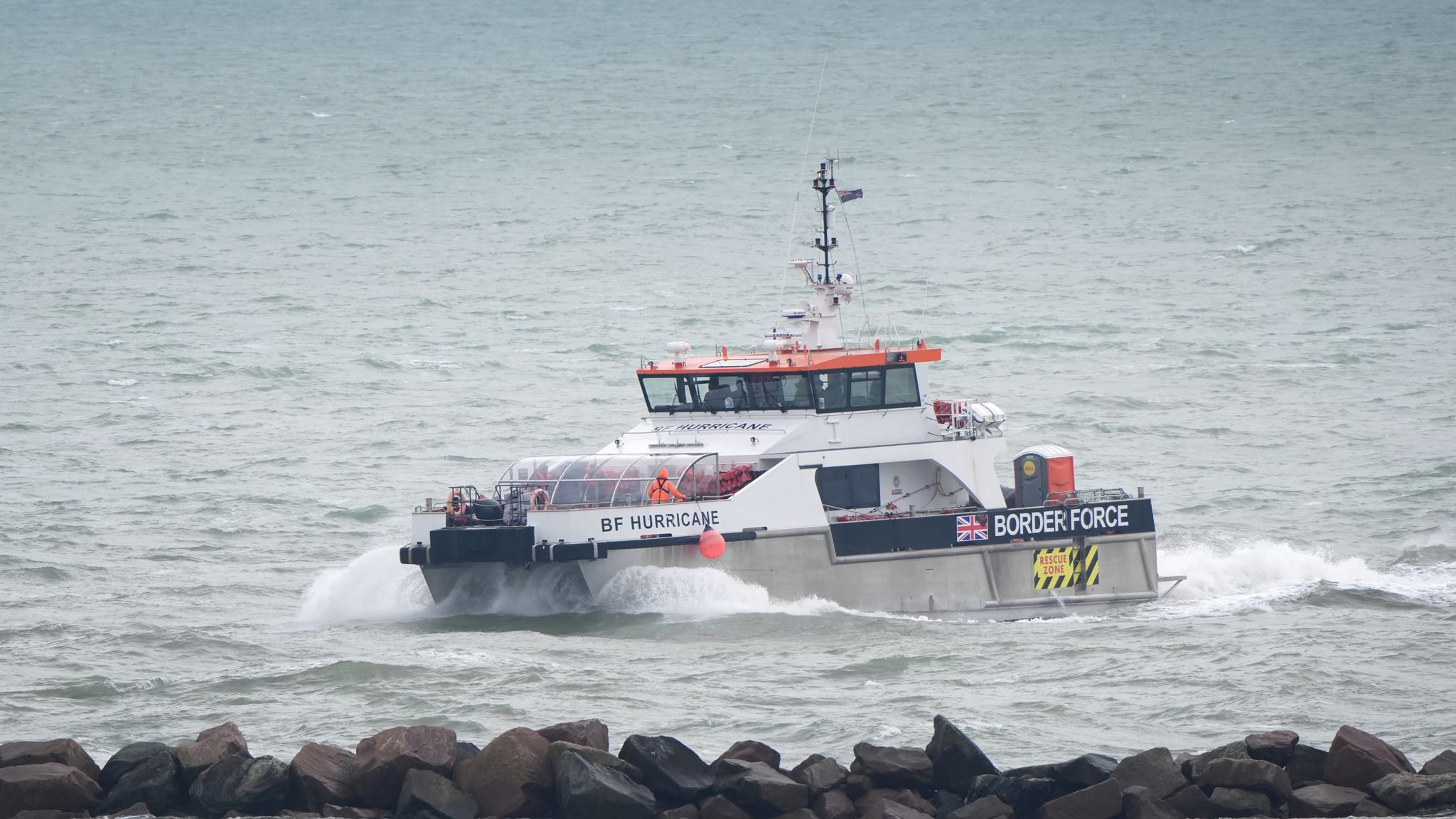
On Sunday, French coastguard teams rescued 106 migrants stranded at sea after their dinghy suffered mechanical failure. The migrants were initially picked up by a rescue ship and subsequently transported to Calais, a key transit point on the French coast for migrants seeking to enter the UK.
Among the rescued was a woman who lost consciousness and required emergency evacuation by helicopter, highlighting the life-threatening nature of these crossings. French maritime authorities confirmed her condition and the urgent medical response.
The migrants’ journey involved a tactic employed by people traffickers known as a “taxi boat” operation. In this method, a small, low-profile boat travels along the coast to predetermined beaches where migrants wade into the water to board dinghies. This allows traffickers to avoid detection by law enforcement, as only a driver is initially present on the taxi boat before picking up passengers.
On the morning of the rescue, the taxi boat was observed traveling eastwards near Wimereux, a coastal town in northern France, indicating the premeditated and organized nature of these crossings.
The UK-France £662m Deal: A Strategic Response
The rescue took place a mere three days after Home Secretary Shabana Mahmood signed a three-year cooperation agreement with France, committing £662 million to curb the number of migrants attempting Channel crossings. This deal represents one of the most significant bilateral efforts to address the migrant crisis in recent years.
Under the agreement, the UK will provide over £501 million to support five specialized police units dedicated to patrolling and enforcing law along the French coastline. The initiative aims to intercept migrants before they even reach the water, thereby reducing the risk of dangerous sea journeys.
A further £160 million is earmarked as conditional funding, released only if the new enforcement tactics prove effective within the first year. The Home Office has emphasized that if the measures fail to deliver results, this additional investment will cease, demonstrating a results-driven approach.
Notably, the deal stops short of establishing concrete numerical targets for success, instead focusing on strategic disruption of smuggling operations and enhanced cooperation between UK and French authorities.
Why This Matters: The Broader Context of Channel Crossings
Despite intensified patrols and substantial funding, the Channel remains a hotspot for migrant crossings. So far in 2024, over 6,000 migrants have successfully reached the UK, marking a 36% decrease compared to the same period last year. However, the cumulative total since Sir Keir Starmer assumed office as Prime Minister has exceeded 70,000 arrivals, reflecting the scale and persistence of the issue.
On Saturday, shortly before the latest rescue, more than a dozen migrants—including women and children—were processed at the Border Security Command center in Dover after being intercepted in the Channel. These instances illustrate the ongoing human dimension of the crisis and the complex challenges faced by border agencies.
The UK government’s strategy aims to disrupt the network of traffickers and reduce the incentive for migrants to undertake perilous crossings, while working closely with French counterparts to enhance beach patrols and border enforcement.
What Comes Next?
This recent rescue starkly reveals that, despite robust agreements and increased funding, migrants continue to risk their lives in hope of reaching the UK. The new UK-France deal represents a significant step toward coordinated maritime security and border control, but its true impact will depend on the consistent implementation of enforcement measures and successful disruption of smuggling networks.
As the deal progresses, authorities will monitor whether the conditional funding triggers, and if the number of attempted crossings declines further. The absence of explicit success metrics leaves room for interpretation, but the underlying goal remains clear: to save lives by preventing dangerous sea journeys and to uphold border security through joint efforts.
Ultimately, this episode highlights the ongoing humanitarian and security complexities surrounding migration in the Channel. The situation demands sustained cooperation, targeted policies, and vigilance to protect vulnerable migrants while enforcing national borders.