

The upcoming Wireless Festival in London has ignited intense debate after the headline booking of rapper Kanye West, also known as Ye. In a significant development, Pepsi has officially withdrawn its sponsorship of the event following widespread backlash and condemnation from public figures, including UK Prime Minister Sir Keir Starmer.
Kanye West’s Return to UK Stages Sparks Outrage
Kanye West is slated to headline all three nights of Wireless Festival in Finsbury Park this July, marking his first UK performance since headlining Glastonbury in 2015. However, his recent history of antisemitic remarks and controversial actions has overshadowed the announcement.
West’s conduct has drawn sharp criticism over the past two years. Notably, he posted antisemitic messages on X (formerly Twitter), created a Super Bowl advertisement directing viewers to a website selling a swastika-emblazoned T-shirt, and released a song titled “Heil Hitler.” These actions have fueled accusations of promoting hate and Nazism.
On Sunday, a Pepsi spokesperson confirmed the company’s decision to sever ties with Wireless Festival, stating: “Pepsi has decided to withdraw its sponsorship of Wireless Festival.” Festival organizers have yet to publicly respond to the withdrawal.
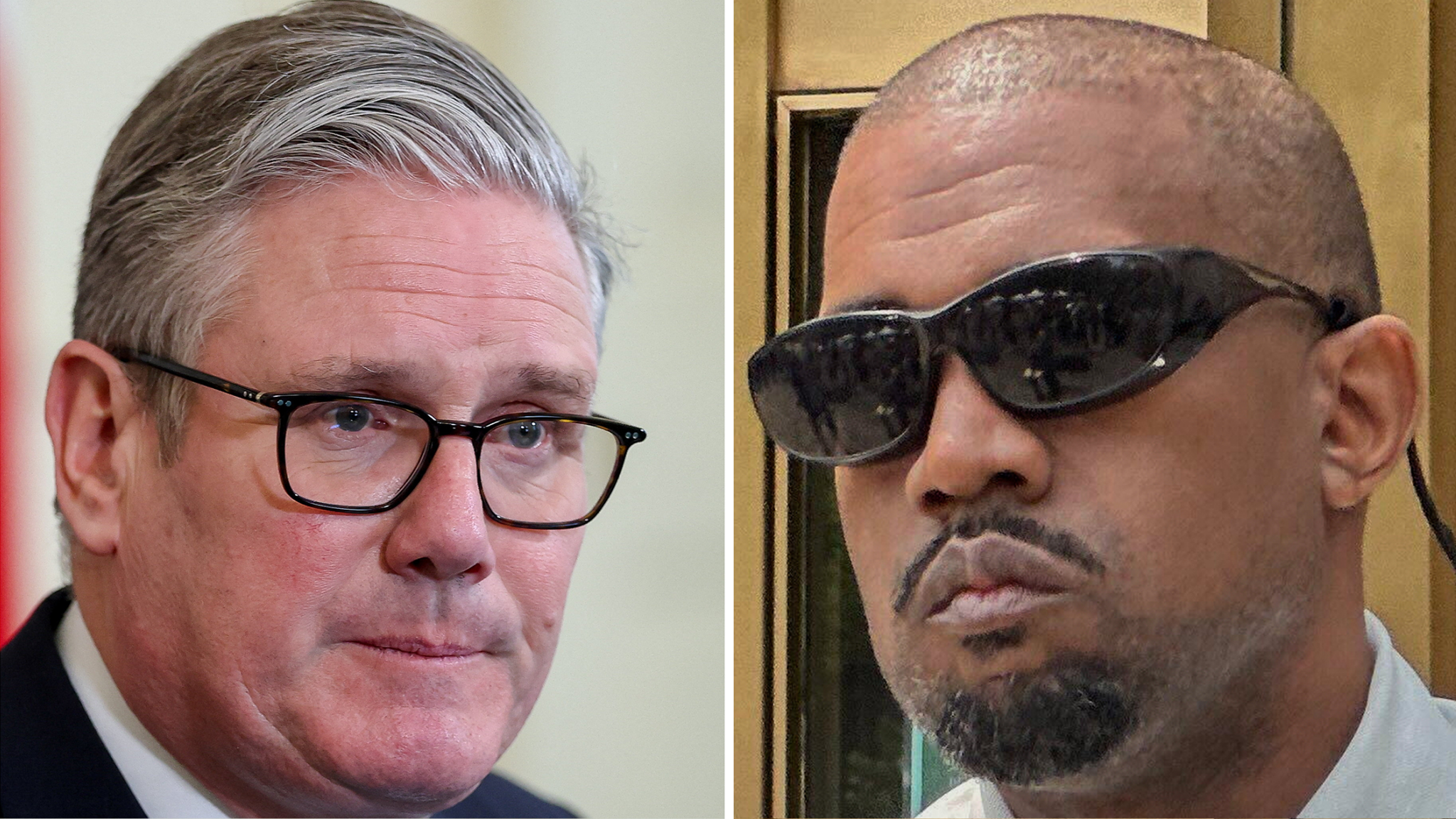
Political Leaders Condemn West’s Booking
Sir Keir Starmer expressed deep concern over West’s involvement in the festival, calling it “deeply concerning” that the artist was booked despite his “previous antisemitic remarks and celebration of Nazism.” The Prime Minister emphasized, “Antisemitism in any form is abhorrent and must be confronted clearly and firmly wherever it appears. Everyone has a responsibility to ensure Britain is a place where Jewish people feel safe and secure.”
Other political figures have echoed these sentiments. Sir Ed Davey, leader of the Liberal Democrats, urged the government to ban West from entering the UK, stating that Home Secretary Shabana Mahmood should take decisive action to combat antisemitism. Currently, the Home Office has not received any formal application from West to enter the country, according to Sky News sources.
Background on West’s Controversies and Apologies
West’s public image has been marred by a series of antisemitic incidents that have led to professional consequences. In 2022, Adidas severed ties with West after he posted an image combining a swastika with the Star of David on social media. Adidas subsequently donated over $150 million (£117 million) to anti-hate organizations.
In January 2025, West took out a full-page apology in the Wall Street Journal titled “To Those I’ve Hurt,” asserting, “I am not a Nazi or an antisemite. I love Jewish people.” He attributed his prior outbursts to a severe episode of bipolar-1 disorder, explaining, “In early 2025, I fell into a four-month-long manic episode of psychotic, paranoid and impulsive behaviour that destroyed my life. I lost touch with reality. Things got worse the longer I ignored the problem. I said and did things I deeply regret.”
West also apologized to the Black community, acknowledging he had let them down during this turbulent period. Despite these apologies, his recent moves, including a song glorifying Hitler and the controversial advertisement, have reignited concerns over his intentions and impact.
What This Means for Wireless Festival and UK Culture
The withdrawal of Pepsi’s sponsorship signals a broader reckoning within the entertainment industry over the responsibility of festivals and brands in associating with controversial figures. Wireless Festival now faces heightened scrutiny as it grapples with balancing artistic freedom against public accountability and the safety of its audiences.
For the UK, West’s planned performances raise urgent questions about how to address hate speech and antisemitism in public events. Government leaders and advocacy groups are calling for stronger measures to prevent platforms from amplifying harmful rhetoric.
As West’s return to the UK approaches, the unfolding controversy underscores the ongoing tension between celebrity culture, mental health challenges, and the imperative to confront hate speech decisively.
Looking ahead, the Wireless Festival’s handling of this crisis will likely influence how future events navigate the complex intersection of art, politics, and social responsibility.