A catastrophic aviation disaster unfolded over Taipei when TransAsia Airways flight GE235 plunged into a river shortly after takeoff, claiming the lives of 22 individuals and injuring dozens more.
 Rescue teams urgently worked to extract survivors from the submerged fuselage of the ATR 72-600 turboprop aircraft that crashed into the Keelung River near Taiwan’s capital, Taipei. The dramatic scene underscored the severity of the incident and the rapid emergency response efforts underway.
What Happened During the Flight?
Flight GE235 took off from Taipei’s Songshan Airport bound for Kinmen Island with 53 passengers and 5 crew members on board. Mere seconds after departure, the aircraft encountered a critical mechanical failure. Investigations revealed that one of the plane’s twin engines, specifically on the ATR 72-600 model, ceased functioning just 37 seconds into the flight.
Tragically, before the flight crew could manage the emergency effectively, the second engine was reportedly shut down intentionally, likely in an attempt to restart both engines simultaneously as a last-ditch effort to regain control of the plane. Unfortunately, this maneuver did not prevent disaster.
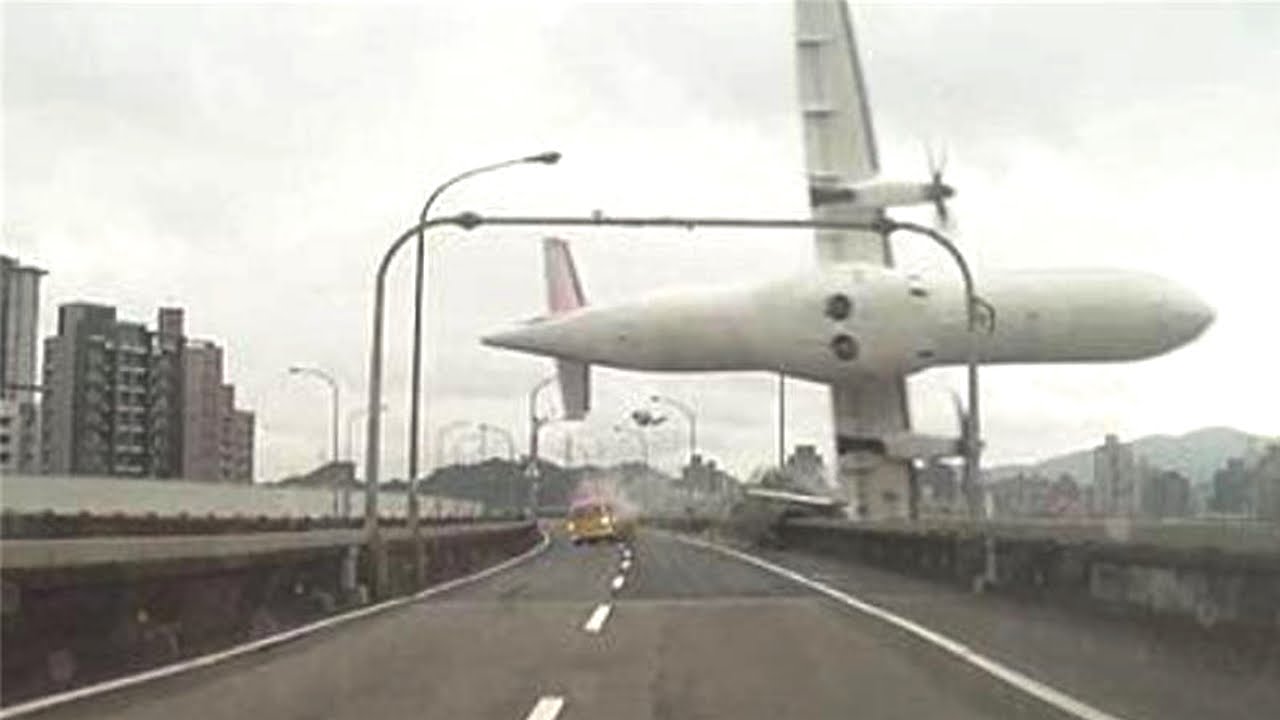
As the plane lost power, it descended rapidly, narrowly evading densely populated apartment buildings in Taipei’s Nangang district. The pilots demonstrated remarkable composure under pressure, steering the doomed aircraft away from residential areas in a desperate bid to minimize casualties on the ground.
Despite these efforts, the plane’s wing struck a nearby bridge, colliding with a taxi that was crossing at the time, before crashing into the Keelung River. The impact shattered the fuselage, partially submerging the aircraft and making rescue operations extremely challenging.
Rescue Efforts and Casualties
Immediately following the crash, police, firefighters, and emergency responders converged on the scene. Television footage captured dramatic moments of passengers wearing life jackets wading through the river, swimming to safety, and being pulled from the wreckage by rescue personnel stationed on floating debris.
Despite the swift response, the human toll was devastating. Of the 58 people onboard, 22 lost their lives and at least 35 others sustained injuries. Fifteen survivors were rescued from the wreckage, while 21 passengers remained unaccounted for in the critical hours following the crash.
Many of the injured were rushed to nearby hospitals, with Taipei City government officials confirming that approximately 28 passengers received medical treatment. Among those onboard were 31 tourists from mainland China, heightening the international concern surrounding the tragedy.
Rescue teams concentrated their efforts on the submerged front section of the aircraft, believed to contain the majority of those still trapped. Officials employed cranes in an attempt to lift this part of the wreckage from the riverbed to facilitate further search and rescue operations. The submerged condition of the fuselage complicated access and raised fears that more survivors might still be inside.
Industry Context and Broader Implications
This crash is not an isolated incident for TransAsia Airways. In July of the previous year, another fatal accident occurred when a TransAsia flight crashed onto residential houses on the Taiwanese island of Penghu during a severe storm, resulting in 48 deaths. These recurring tragedies have prompted intense scrutiny of the airline’s safety protocols and maintenance practices.
Flight safety in Taiwan remains a critical concern given the island’s challenging geography and weather conditions, which require pilots to navigate complex environments shortly after takeoff and before landing. The ATR 72-600 aircraft, while widely used for regional flights, demands precise handling, especially during engine failure scenarios.
TransAsia Airways’ CEO, Chen Xinde, publicly expressed his condolences and gratitude to the rescue teams. Speaking at a televised news conference, he deeply apologized to the victims’ families and acknowledged the challenges faced by those involved in the emergency response. His remarks reflect the airline’s acknowledgment of responsibility and the immense pressure on aviation authorities to prevent future disasters.
Why This Tragedy Matters
The crash of TransAsia Airways flight GE235 serves as a sobering reminder of the fragile balance between human skill and mechanical reliability in aviation. Engine failure shortly after takeoff presents one of the most dangerous emergencies a flight crew can encounter, leaving precious little time to react or recover.
The decision by the pilots to shut down the second engine for a restart attempt demonstrates their attempt to manage a complex crisis, but also highlights the extreme difficulty of handling simultaneous engine failures in a twin-engine aircraft. Their effort to steer clear of residential buildings underscores a profound commitment to protecting lives beyond those onboard.
This disaster also raises important questions about aircraft maintenance, pilot training, and emergency preparedness within the regional aviation sector. For Taiwan, where air travel is a vital link between its many islands, ensuring the highest safety standards is essential to maintaining public confidence and protecting lives.
The ongoing rescue operations and investigations will likely influence future regulatory measures and industry practices aimed at preventing similar tragedies. For affected families and communities, the incident is a devastating loss; for the aviation industry, it is a call to relentless vigilance and improvement.
Ultimately, the crash of flight GE235 underscores the critical importance of robust mechanical reliability, rigorous pilot training, and effective emergency response in safeguarding airline passengers worldwide.