

Greater Manchester Police have deployed a 48-hour dispersal order across Rochdale town centre in response to escalating incidents of anti-social behaviour involving groups of young people. This decisive action aims to curb disorder that has disrupted local businesses and threatened public safety.

What Sparked the Dispersal Order?
The dispersal order follows a series of troubling events linked to coordinated gatherings of teenagers, notably mirroring similar unrest in Clapham, south London. Earlier in the week, large crowds of youths swarmed the high street in Clapham, attempting to force entry into shops and igniting fireworks on Clapham Common during a social media-organised “link-up.”
On Tuesday alone, around 100 police officers were deployed to tackle the disorder in Clapham, resulting in the arrest of six teenage girls connected to the incidents. These events appeared to inspire analogous disturbances in Rochdale.
By Wednesday, reports emerged of groups of young people in Rochdale aggressively harassing business staff and causing criminal damage within the town centre. This prompted Greater Manchester Police to take immediate action to prevent further escalation.
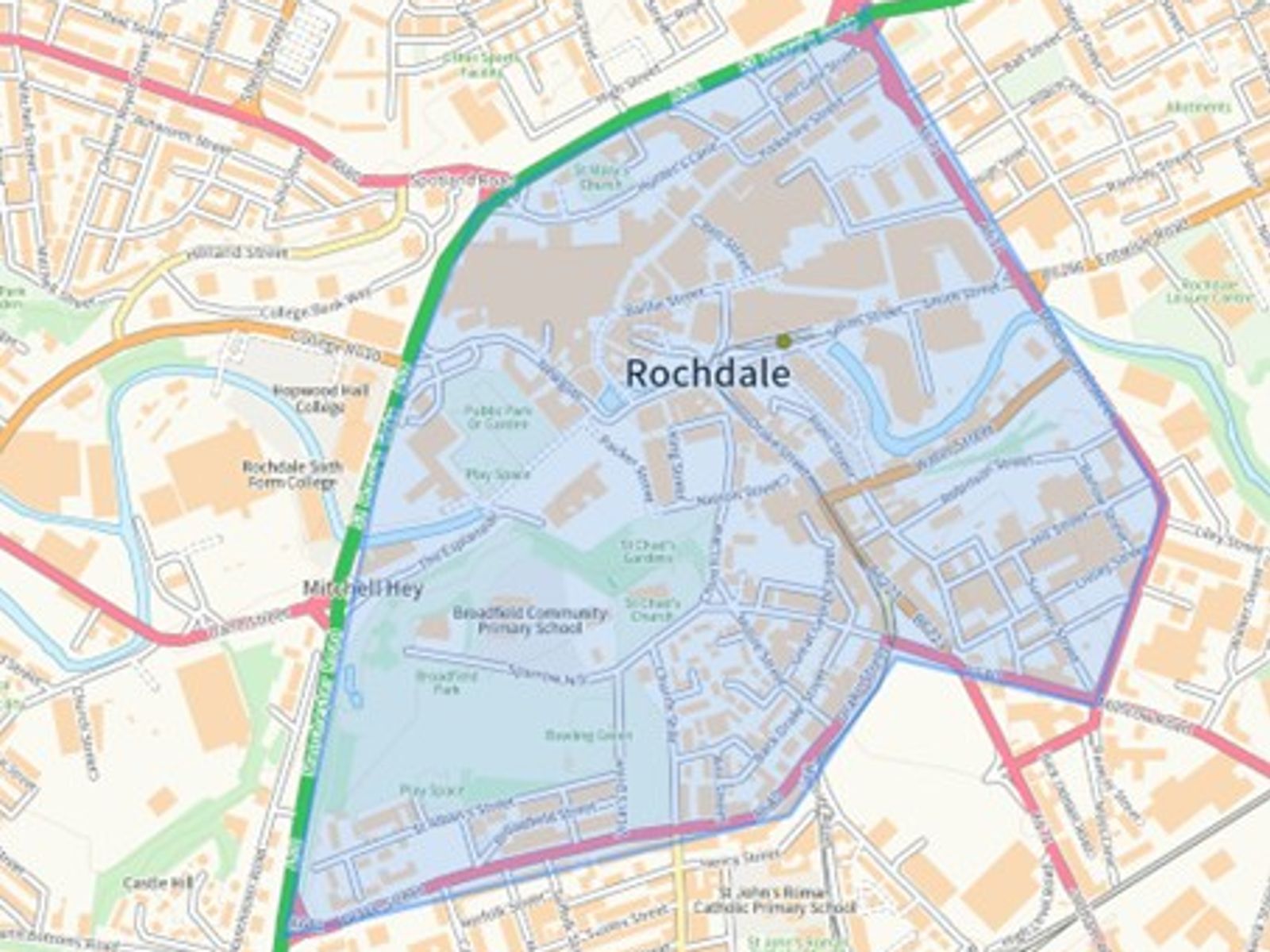
Details of the Dispersal Order and Police Response
The dispersal order in Rochdale was enforced from 11:30am on Thursday until 11:30am on Saturday, granting officers the authority to require individuals to leave the designated area for up to 48 hours via written notice. This legal power is specifically designed to reduce behaviour that contributes to anti-social conduct, crime, or public disorder.
Inspector Meena Yasin, overseeing GMP’s Rochdale district, emphasised the order’s dual purpose: safeguarding the community and protecting local businesses from disruption. She stressed, “We will not tolerate anti-social behaviour and where this is reported, we will look to take the strongest action—whether through proactive measures or preventative problem-solving work.”
Police presence in the town centre has been heightened, with officers patrolling regularly to ensure residents and visitors can enjoy a safe and peaceful Bank Holiday weekend. The proactive approach signals GMP’s commitment to maintaining order and deterring future incidents.
Why This Matters for Rochdale and Beyond
Anti-social behaviour, especially when involving young people acting in large, organised groups, poses serious challenges for community safety and local economies. Businesses suffer from property damage and harassment, which can deter customers and strain relationships between residents and law enforcement.
Dispersal orders serve as a vital tool in the police arsenal to quickly diffuse potentially volatile situations, preventing minor disturbances from escalating into more serious crimes or widespread disorder. Moreover, such orders convey a clear message that authorities are vigilant and ready to act decisively to protect public spaces.
The incidents in Rochdale also reflect a wider national concern about youth gatherings coordinated via social media platforms, which can rapidly mobilise large crowds beyond the control of local authorities. Addressing these challenges requires coordinated community policing, engagement with youth services, and collaboration with social media companies to mitigate risks.
Looking Ahead: Maintaining Safety and Community Confidence
As the dispersal order lifts, Greater Manchester Police will likely continue monitoring the situation closely, ready to intervene if anti-social behaviour resurfaces. Sustained efforts, including community outreach and targeted youth programs, may be necessary to address root causes and prevent future flare-ups.
For Rochdale residents and businesses, the enforced dispersal order provides immediate relief and reassurance that public safety remains a priority. It also highlights the importance of proactive policing in managing complex social dynamics in urban centres.
Ultimately, maintaining peaceful, vibrant town centres requires a partnership between law enforcement, local authorities, community groups, and citizens. The recent dispersal order is a clear example of how swift, authoritative action can restore order and protect the interests of all stakeholders.