
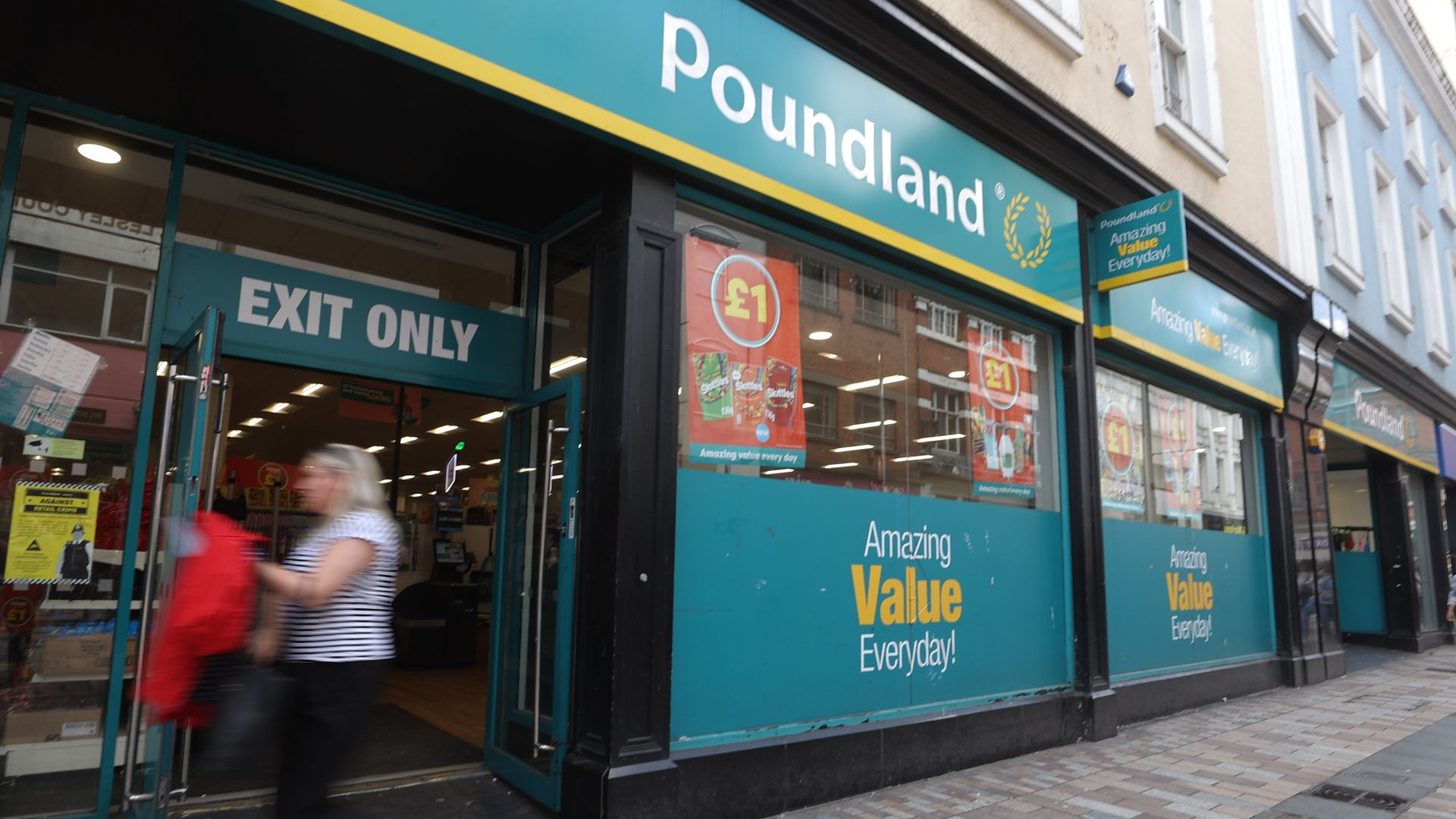
Poundland, one of the UK’s most recognizable discount retailers, has officially entered administration, casting a shadow over the job security of 10,500 employees just weeks before the crucial Christmas trading period. The company’s American parent firm has declined all offers to purchase the business as a going concern, prompting this dramatic development.
What Led to Poundland’s Collapse?
Poundland, a staple for budget-conscious shoppers across the UK, has faced mounting financial pressures in recent years. The retail sector, particularly discount stores, has been grappling with rising operational costs, supply chain disruptions, and evolving consumer habits accelerated by the pandemic and inflationary challenges.
Despite efforts to stabilize the business, the US-based owners of Poundland made the difficult decision to reject acquisition proposals. These offers could have potentially saved the business from collapse by maintaining day-to-day operations with new ownership. However, the owners chose administration, a legal process that allows a company to restructure or liquidate under court supervision.
Implications for Employees and the Retail Sector
The administration announcement immediately places 10,500 jobs at risk, creating deep uncertainty for thousands of workers. Many of these employees rely on steady income during the festive season, a peak period for retail sales that typically bolsters earnings significantly.
Administrators will now assess whether parts of Poundland’s operations can be sold or saved. In some cases, this process can protect jobs temporarily or lead to a sale that preserves parts of the business. However, if no viable buyers emerge, widespread store closures and redundancies may follow.
This collapse also highlights broader challenges facing the UK retail landscape. Discount retailers like Poundland compete fiercely on price but face increasing costs from inflation, wage demands, and logistical bottlenecks. Consumers have become more selective, balancing tight budgets with fluctuating product availability.
What This Means for Shoppers and the Market
Poundland’s administration will affect thousands of shoppers who depend on its low-cost goods, ranging from household essentials to seasonal items. The retailer’s presence in high streets and shopping centers has been pivotal in providing affordable options during tough economic times.
The potential closure or downsizing of Poundland stores could disrupt local communities and reduce competition in the discount retail sector. This may lead to higher prices or fewer choices for budget shoppers, at a time when inflation continues to squeeze household finances.
Industry experts will be watching closely to see if other discount retailers can fill the gap or if this signals a shift in consumer behavior and retail viability post-pandemic.
Looking Ahead: What Comes Next for Poundland?
The administrators now face a challenging task: to evaluate Poundland’s assets and liabilities, negotiate with creditors, and seek potential buyers. The process could take weeks or months, during which time employees, suppliers, and customers remain in limbo.
If a buyer emerges, it could mean a lifeline for some stores and staff. Without one, the retail giant may face a substantial downsizing or complete closure, further impacting the UK’s high street economy.
For employees and communities dependent on Poundland, the coming weeks will be critical. The situation underscores the fragile nature of retail businesses in a fluctuating economic climate and the urgent need for adaptive strategies to survive.
Ultimately, Poundland’s administration serves as a stark reminder of the evolving challenges in retail and the importance of proactive measures to protect jobs and maintain consumer choice during uncertain times.