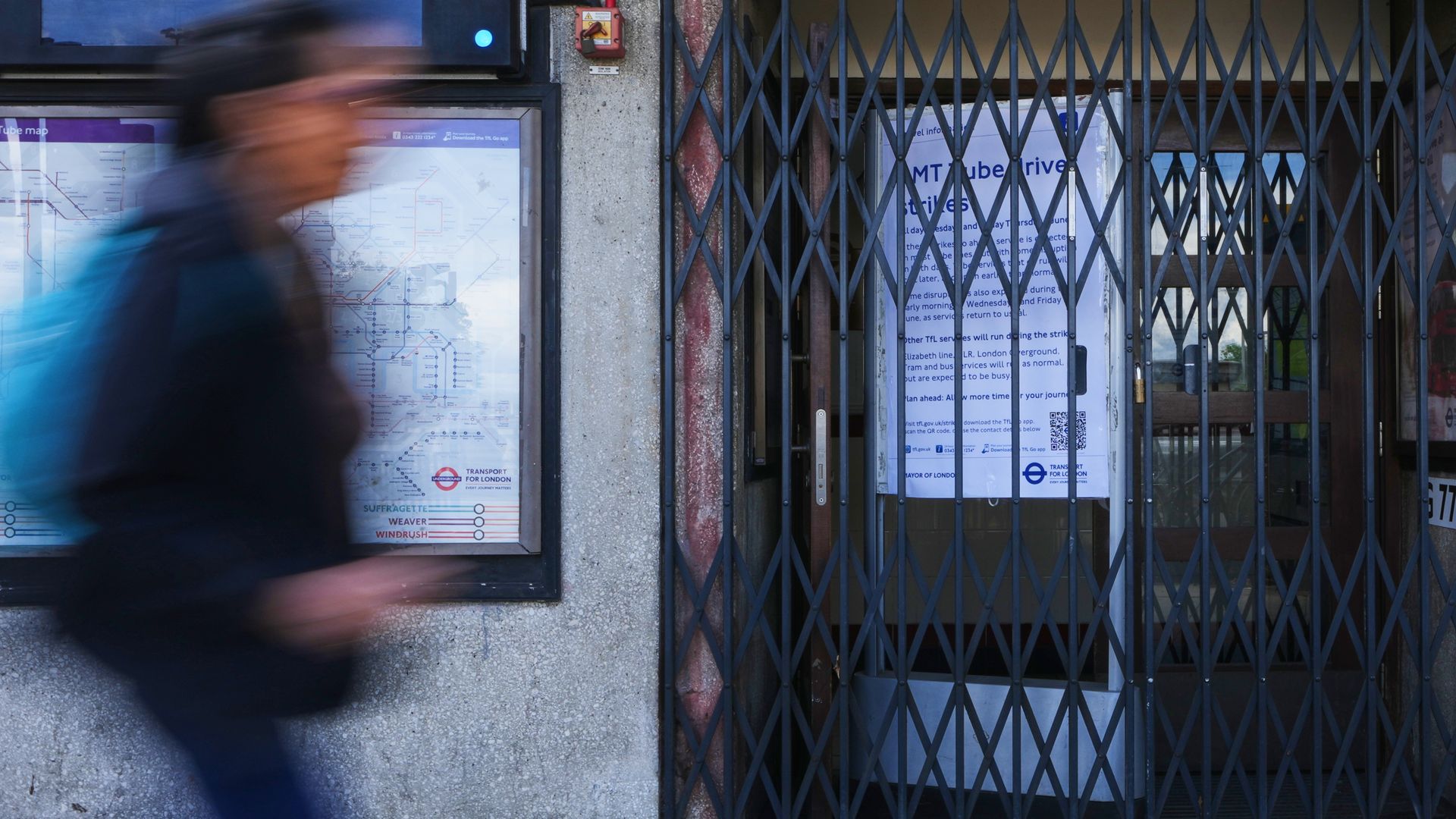

Eurostar passengers faced major travel disruptions as several trains were cancelled or delayed due to unexpected strike action. The abrupt industrial action caught travelers and the company off guard, leading to widespread inconvenience across key international routes.
What Happened: Unannounced Strike Hits Eurostar Services
Eurostar confirmed that multiple trains experienced cancellations and delays caused by strike action that was not previously announced. This sudden labor dispute affected services connecting London with major European cities such as Paris, Brussels, and Amsterdam.
The company did not specify which staff groups were involved or the reasons behind the walkout, but the impact was immediate. Commuters and tourists alike found themselves scrambling to rearrange travel plans at short notice. Eurostar advised travelers to check the status of their journeys before heading to the station.
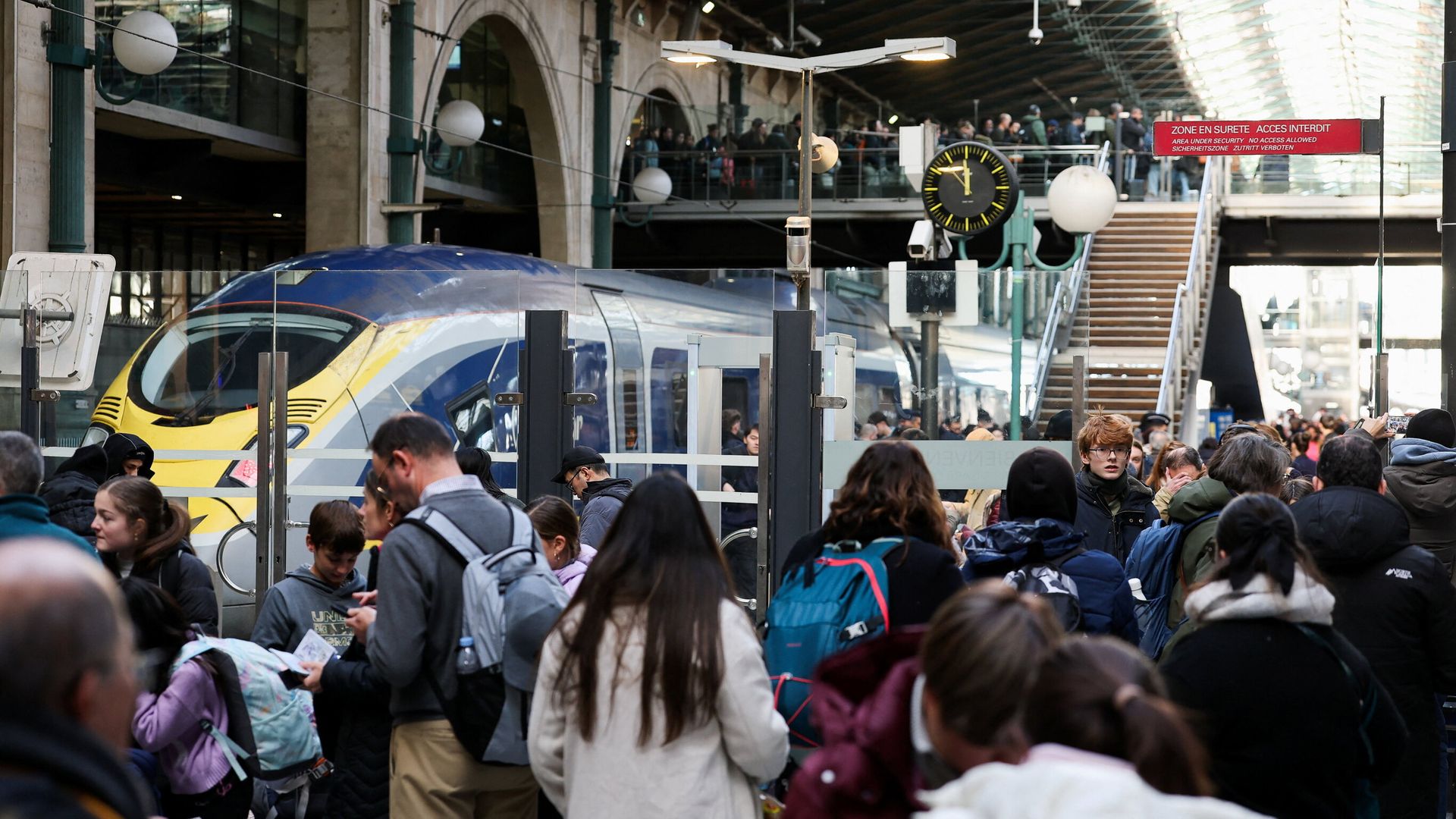
Eurostar operates high-speed rail services through the Channel Tunnel and is a critical transportation link between the United Kingdom and mainland Europe. Disruptions of this scale not only inconvenience passengers but also ripple through business and tourism sectors dependent on reliable cross-border connections.
Why This Matters: The Impact on Travelers and Commerce
Eurostar’s sudden strike action highlights underlying labor tensions within the company amid a challenging period for international travel. As Europe recovers from pandemic-related disruptions, smooth transport links are vital for economic recovery and maintaining confidence in public transit options.
For travelers, the cancellations and delays mean missed connections, altered itineraries, and potentially higher costs. Many passengers rely on Eurostar for efficient, eco-friendly travel between major cities, and unexpected service interruptions undermine this convenience.
Moreover, businesses that depend on punctual freight and passenger movement across the Channel Tunnel could face delays, affecting supply chains and commercial operations. The strike underscores the delicate balance transport companies must maintain between workforce demands and service reliability.
What Comes Next: Navigating the Aftermath and Future Prospects
Eurostar has not yet released detailed information on negotiations with the striking employees or how long the disruptions might continue. Passengers are urged to stay informed through official Eurostar communication channels for updates on service status and potential resolutions.
In the longer term, resolving the causes behind the strike will be essential to restore confidence in Eurostar’s services. Transparent dialogue between management and staff, alongside contingency planning, can help prevent similar sudden disruptions in the future.
As Europe’s transport networks face increasing demand and evolving challenges, ensuring labor stability will remain a key focus for maintaining seamless international travel.
Takeaway: Staying Prepared Amid Transport Uncertainties
The recent Eurostar strike serves as a reminder of how quickly travel plans can be upended by industrial action. Passengers should proactively check train schedules and consider flexible options when booking international travel. For Eurostar, addressing workforce issues promptly will be crucial to safeguarding its role as a cornerstone of European connectivity.
Full details about the strike’s origins and resolution timeline remain pending, but the disruption shines a light on the critical intersection of labor relations and transportation infrastructure in today’s interconnected world.