Reform UK has unveiled an ambitious plan to dramatically reduce income tax rates in Scotland, aiming to position the country as the most attractive place to live and work within the UK. As the party launches its manifesto ahead of the 2026 Scottish Parliament election, leader Malcolm Offord has committed to aligning Scotland’s tax system with England’s before cutting rates even further.
Reform UK’s Tax Revolution: Align and Slash
Scotland currently operates a distinct income tax system, featuring six tax bands compared to the three used in the rest of the UK. This system, controlled by the Scottish Government, results in higher overall tax rates for many Scots. Reform UK plans to dismantle this structure by scrapping the extra bands and harmonizing the remaining ones with English rates. The party’s manifesto outlines a phased approach: initially matching England’s rates and then reducing them by 1p per pound, aiming for a 19p basic income tax rate, with 39p and 44p rates for higher earners.
Looking further ahead, Reform pledges to cut these rates by up to 3p lower than England’s by the end of the parliamentary term, making Scotland a low-tax haven within the UK. The party estimates that aligning tax bands with England will cost about £1.2 billion annually, with each 1p tax cut thereafter costing around £850 million. The respected Institute for Fiscal Studies has described Reform’s cost estimates as reasonable in the short term, though acknowledging costs would rise over time.
To fund these substantial tax reductions, Reform UK proposes cutting £1 billion from what it labels “ideological” net-zero projects and £6.5 billion from 132 public bodies, commonly known as quangos, including health boards. The manifesto argues that these savings, combined with economic growth stimulated by tax cuts, would offset the upfront costs.
Broader Policy Goals: Economy, Welfare, and Industry
Offord, a former Conservative peer and minister who defected to Reform UK in late 2023, is running in his home constituency of Inverclyde. At Reform’s inaugural Scottish conference in Renfrewshire, he emphasized the party’s goal to “unleash Scotland’s potential” by fostering a “wealth economy.”
The party pledges to reverse what it views as unsustainable welfare spending, promising rigorous face-to-face assessments for benefit claimants and initiatives to reintegrate thousands of economically inactive Scots into the workforce. Offord criticized current welfare levels, highlighting a forecasted £1.1 billion funding gap between Scottish social security spending and the equivalent support in England for 2026-27, expected to increase further by 2030-31.
Reform also targets the North Sea oil and gas industry for revitalization, pledging to “rehabilitate” this vital sector. The manifesto calls for scrapping Glasgow’s status as the main dispersal city for asylum seekers, prioritizing locals for council housing, and reducing immigration pressures in working-class communities, a theme echoed by party leader Nigel Farage.
Immigration and Social Issues: A Controversial Stance
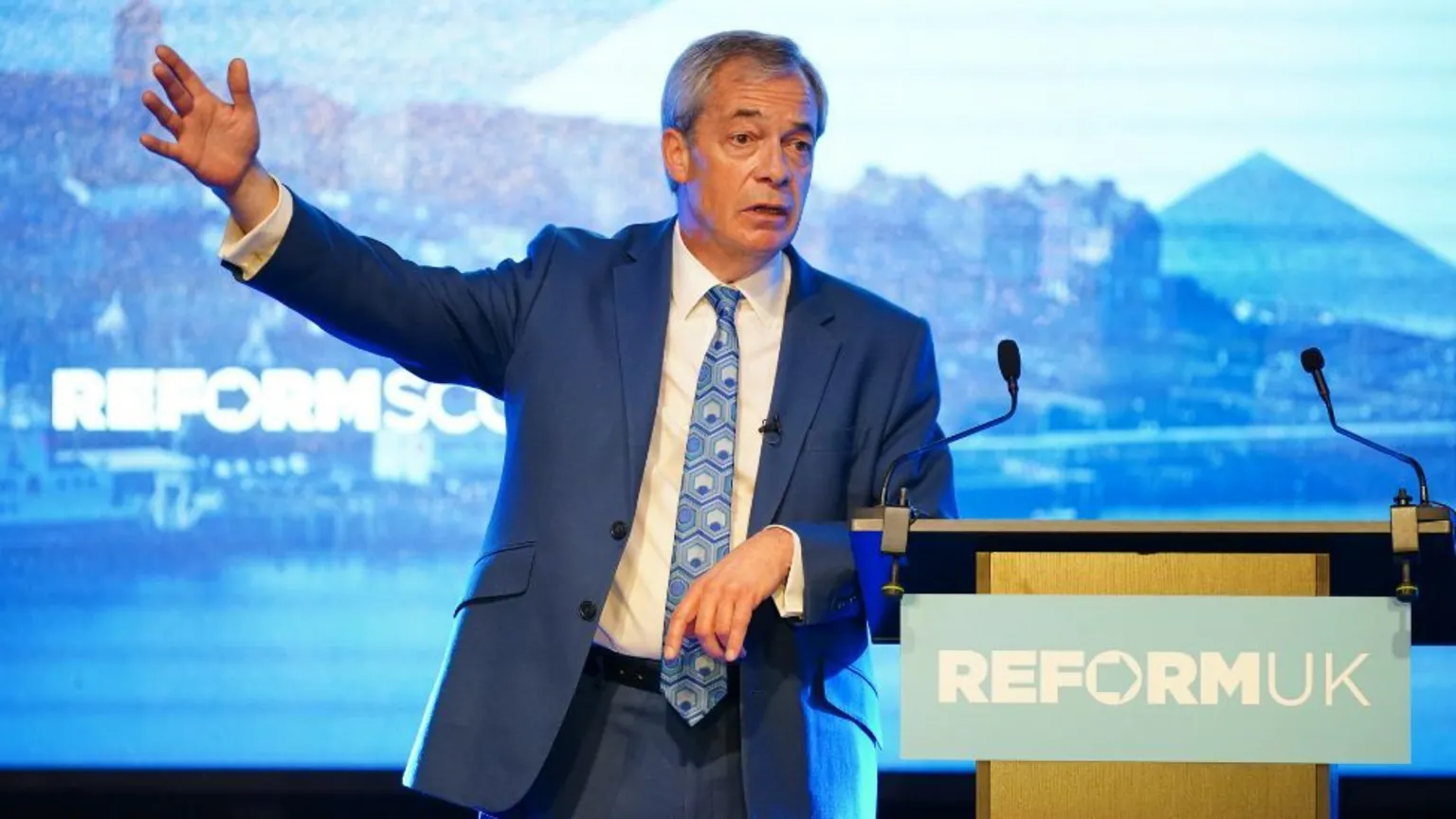
Nigel Farage, speaking alongside Offord, framed Reform UK as a defender of “Christian principles” and British values, expressing concern about immigration’s impact on public safety and community cohesion. He described Glasgow as the UK’s “immigration capital,” citing large public Muslim prayers in London as a sign of cultural shifts he believes will soon affect Scotland.
Farage’s rhetoric emphasized worker frustrations over high taxes and longer working hours, contrasting this with what he described as neighbors “rising at midday, having Deliveroo come, and smoking dope.” He predicted that Reform UK could become the second-largest party at Holyrood, potentially surprising many political observers.
However, these immigration-focused messages have sparked controversy. Social media posts by Reform candidates have drawn criticism, including inflammatory remarks about the current Scottish first minister, Humza Yousaf. Scottish Labour leader Anas Sarwar has called on Reform to drop candidate Senga Beresford after her apparent support for anti-Muslim deportation calls and endorsement of far-right activist Tommy Robinson.
Additional Reform UK Commitments
- Reduce Scottish Parliament constituency seats from 73 to 57
- Overhaul the education system, including banning mobile phones in schools
- Create a government efficiency department to eliminate waste and duplication
- Establish a Scottish Healthcare Reform Commission
- Replace the Land and Buildings Transaction Tax and non-domestic rates with an annual property tax
- Scrap all net-zero subsidies and targets related to fossil fuel emissions
- Impose tougher sentences for repeat offenders, expand prison capacity, and end early release programs
These proposals form a comprehensive agenda aimed at reshaping Scotland’s fiscal, social, and economic landscape.
Why This Matters: The Road Ahead for Scottish Politics
Reform UK’s manifesto positions the party as a staunchly right-wing challenger to Scotland’s dominant political forces, advocating for lower taxes, reduced government spending, and stricter immigration policies. Their vision contrasts sharply with the Scottish Government’s progressive policies and the ongoing debate about independence.
By promising to cut income tax below England’s rates, Reform seeks to attract voters frustrated with current tax burdens and economic stagnation. However, these plans rely heavily on controversial cuts to public spending, particularly on net-zero climate initiatives and public bodies critical to education, healthcare, and social services.
The party’s stance on immigration and welfare taps into concerns among some working-class communities but risks deepening social divisions. Meanwhile, Reform’s forecast of becoming the second-largest party at Holyrood signals a potential shake-up in Scotland’s political landscape ahead of the May 2026 election.
As voters assess Reform UK’s bold promises, the debate over Scotland’s fiscal future, social priorities, and place within the UK will intensify. Whether the party’s vision resonates widely remains to be seen, but their manifesto undeniably raises the stakes in the upcoming election.