Russia’s Federal Security Service (FSB) has initiated a criminal investigation targeting a Russian exile residing in London, accusing her of involvement with a terrorist organisation. This unprecedented move highlights the ongoing tensions between Moscow and Russian dissidents living abroad, particularly those active in Western democracies.
Who Is the Target and What Are the Allegations?
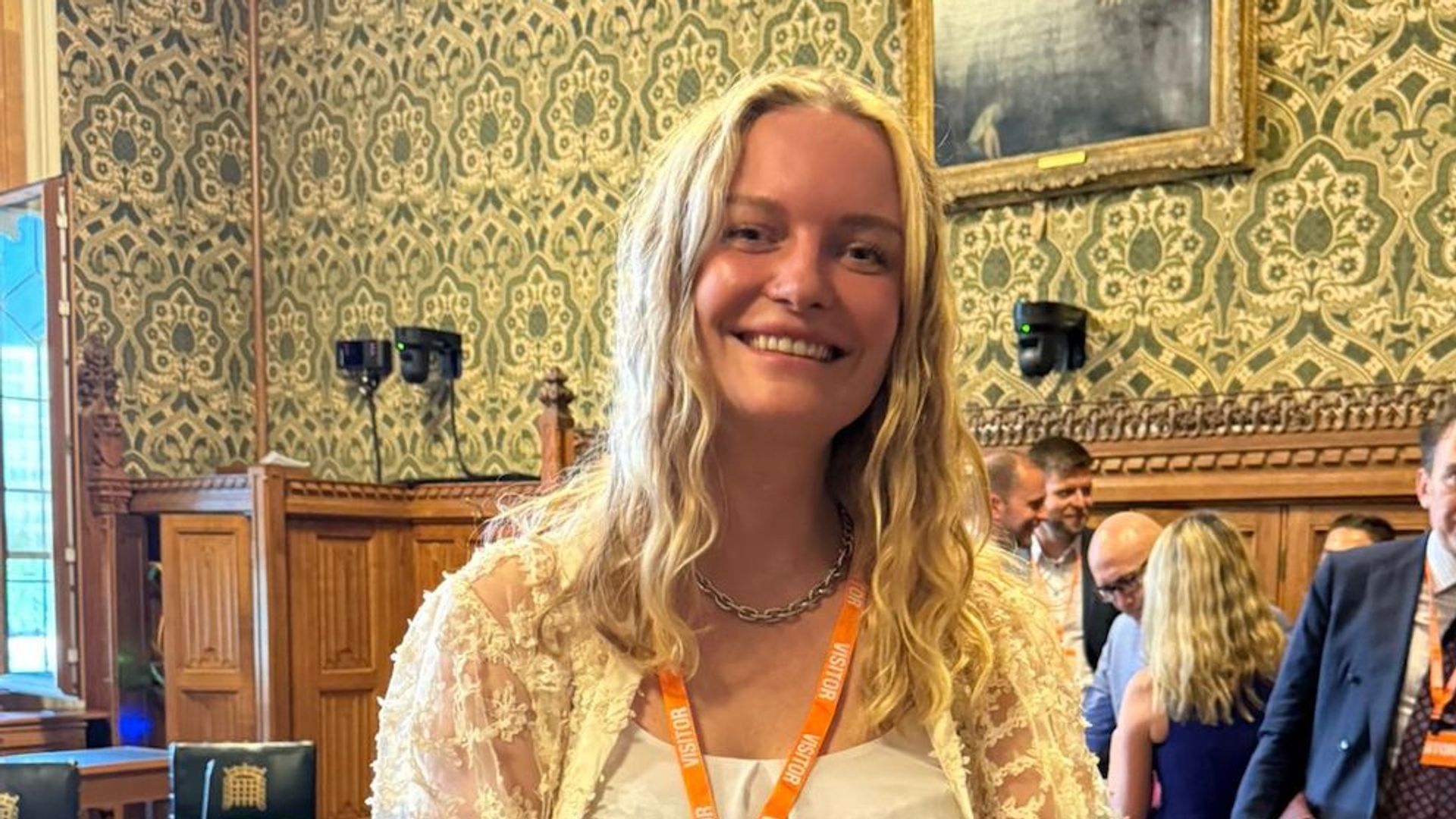
The accused is a Liberal Democrat councillor in London who originally fled Russia. The FSB alleges that she is part of a terrorist group, a charge that carries serious legal consequences under Russian law. However, specific details about the alleged organisation or the evidence behind these claims have not been publicly disclosed.
This development comes amid a broader pattern of Russian authorities targeting political opponents, activists, and critics beyond their borders. The case against this councillor marks a significant escalation, as it involves a directly elected official in the UK, raising questions about the reach of Russian state security operations abroad.
Context: Russian Exiles and International Repercussions
Since the early 2010s, numerous Russians who oppose the Kremlin’s policies have sought refuge in Western countries, including the UK. Many of these exiles have become politically active, advocating for democratic reforms and highlighting human rights abuses in Russia.
The Russian government has frequently accused these exiles of espionage, terrorism, or other crimes, often without transparent legal processes. This strategy appears designed to intimidate dissidents and dissuade them from continuing their opposition activities abroad.
For London, the presence of Russian political activists and former officials has been a point of diplomatic friction. The UK government has expressed concern over alleged Russian interference in its politics and has imposed sanctions on Russian individuals and entities in response to broader geopolitical conflicts.
What This Means for UK-Russia Relations and Political Freedoms
The initiation of a criminal case by the FSB against a sitting UK councillor underscores the fraught nature of UK-Russia relations. It may complicate diplomatic interactions and fuel concerns about political persecution and extraterritorial legal actions by Russia.
For the councillor and similar exiles, this case could lead to increased personal security risks and legal challenges. It also raises the question of how Western governments will protect their residents from politically motivated prosecutions initiated by foreign states.
Moreover, this situation highlights the broader issue of authoritarian regimes attempting to exert influence and control beyond their borders, threatening democratic principles and political freedoms in host countries.
Looking Ahead: The Importance of Vigilance and Support
As the case unfolds, it will be crucial for UK authorities and international human rights organisations to monitor developments closely. Ensuring that political exiles can participate safely in democratic processes without fear of reprisal is essential for upholding democratic values.
This incident also serves as a reminder of the complex geopolitical landscape in which local politics can intersect with international conflicts. Supporting political refugees and defending democratic institutions remain vital priorities in this context.
Full details of the FSB’s criminal case and the evidence against the councillor have not yet been released, leaving many questions unanswered. However, the situation clearly illustrates the ongoing challenges faced by Russian dissidents abroad and the persistent reach of Russian state security operations.