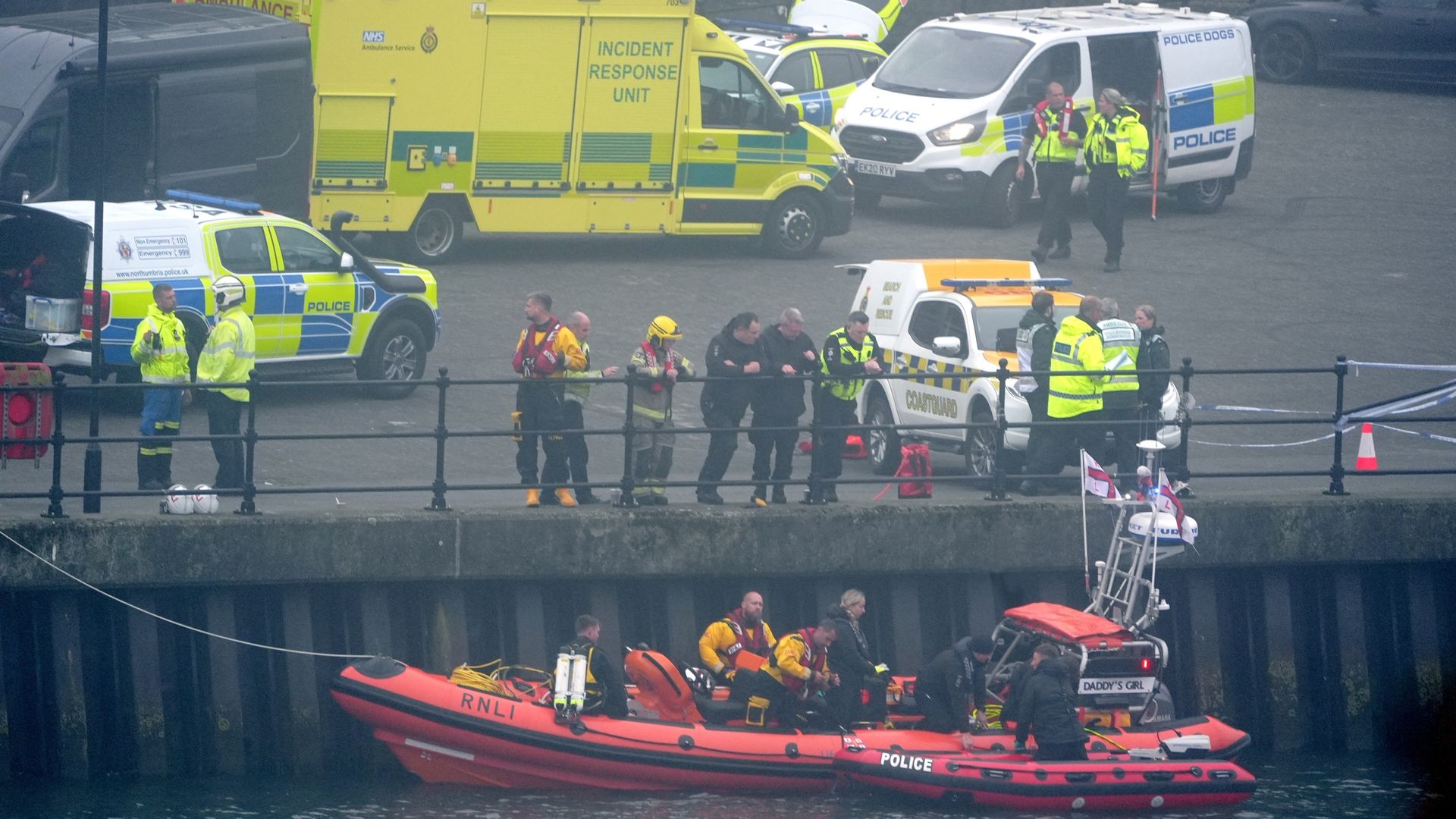
Police failed to deploy a stinger device or execute a tactical contact maneuver in the critical moments leading up to a devastating crash on the A66, which killed seven men, including two officers. This finding comes from a recent investigation by an independent watchdog, shedding light on the police response during a high-speed pursuit that ended in tragedy.
What Happened on the A66?
The incident unfolded when a vehicle was driven the wrong way down the A66 dual carriageway, triggering an urgent police chase. Despite the escalating danger, officers did not employ certain pursuit control techniques that could have potentially prevented the fatal collision.
The driver’s reckless behavior culminated in a catastrophic crash that claimed the lives of seven men. Among those who died were two police officers, underscoring the high stakes and risks involved in the pursuit. The tragedy has raised significant concerns about police tactics and decision-making during high-speed chases.

Why Tactical Contact and Stinger Devices Matter
In police chases, tactical contact and stinger devices serve as critical tools to safely stop fleeing vehicles. Tactical contact involves controlled physical intervention—usually by a pursuing vehicle making contact with the suspect’s car—to force it to stop. Stinger devices, on the other hand, are spike strips laid on the road to deflate tires gradually, slowing the vehicle down without direct confrontation.
The watchdog’s report emphasized that neither of these interventions were used prior to the collision. The absence of such tactics in this scenario raises questions about whether a safer resolution might have been possible if these methods had been applied.
Given the extreme danger posed by a wrong-way driver on a busy dual carriageway, the potential to reduce risk through these measures is significant. Police forces often weigh the risks of tactical contact and stinger deployment against the immediate threat from the suspect’s driving. However, in this case, the failure to use these tactics led to tragic consequences.
Implications and What Comes Next
The watchdog’s findings could prompt a thorough review of police pursuit policies, particularly regarding the deployment of tactical contact and stinger devices in high-risk situations. Training protocols might be reassessed to ensure officers can make rapid, effective decisions during pursuits.
Families of the victims and the wider community are likely to demand transparency and accountability following the watchdog’s conclusions. This tragedy highlights the delicate balance law enforcement must maintain between public safety and apprehending dangerous offenders.
Furthermore, the loss of two police officers in the crash brings added urgency to re-evaluating pursuit tactics. Their sacrifice underscores the inherent dangers officers face and the critical importance of using every available tool to minimize harm.
Why This Matters
This incident and the subsequent investigation reveal the complexities and risks involved in police pursuits. While officers aim to stop suspects who pose public danger, the pursuit itself can escalate risks, sometimes with fatal outcomes. The decision not to use tactical contact or a stinger device before the A66 crash serves as a stark reminder that pursuit strategies must continuously evolve to prioritize safety.
As law enforcement agencies study this case, the ultimate goal remains clear: to develop pursuit methods that protect both officers and the public while effectively managing high-speed threats. The watchdog’s report is a pivotal step in understanding what went wrong and how future tragedies can be averted.
Full details of the investigation and any resulting policy changes have not yet been released, but this case will undoubtedly shape the conversation about police pursuit tactics for years to come.