England’s iconic national museums will maintain free admission for overseas visitors, as government ministers have decided to uphold the universal free entry policy. This decision preserves a longstanding tradition that supports cultural accessibility and tourism, ensuring that international guests can explore England’s rich heritage without financial barriers.
Maintaining Free Access to Cultural Treasures
National museums across England, including world-renowned institutions such as the British Museum, the National Gallery, and the Victoria and Albert Museum, will continue welcoming overseas visitors at no cost. This policy reflects a deep commitment to making art, history, and culture freely accessible to all, regardless of nationality.
The universal free admission policy has been a hallmark of England’s cultural landscape for decades. It encourages a diverse international audience to engage with the country’s heritage, fostering cross-cultural understanding and supporting the tourism sector. By deciding against any changes, ministers send a clear message about the value placed on open, inclusive access to national treasures.
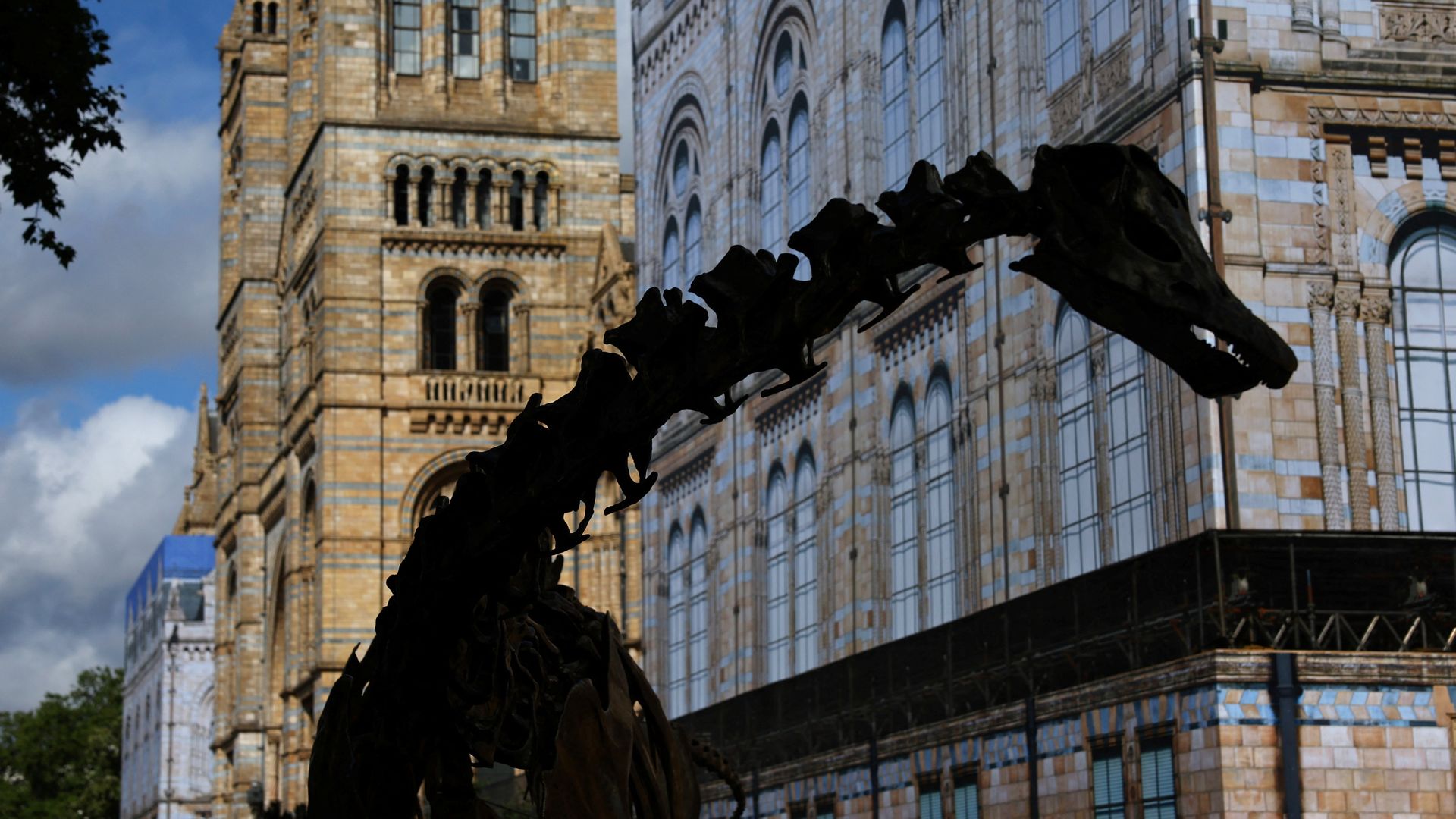
Why Free Admission Matters for England and Its Visitors
Offering free entry to national museums is more than a symbolic gesture; it plays a vital role in sustaining England’s global cultural standing. Museums serve as educational hubs, providing invaluable learning experiences to visitors from all over the world. Removing financial barriers helps to democratize culture and ensures that knowledge and inspiration are not restricted by ticket costs.
For overseas tourists, free admission makes England’s museums more attractive destinations, which in turn benefits local economies. Visitors often extend their stays, explore other attractions, dine in local restaurants, and contribute to the hospitality industry. This policy supports the broader tourism ecosystem, which is a significant contributor to the nation’s economy.
Furthermore, free access aligns with the principles of cultural diplomacy. Welcoming international visitors without charge fosters goodwill and strengthens England’s reputation as a global cultural leader. It encourages repeat visits and positive word-of-mouth, enhancing the country’s image on the world stage.
What This Means for the Future of England’s Museums
The decision to maintain free admission for overseas visitors ensures that England’s national museums will remain inclusive spaces dedicated to education, inspiration, and cultural exchange. It also reflects a strategic approach to balancing funding needs with public accessibility. Museums often rely on government support, donations, and commercial activities to sustain their operations while keeping entry free.
Looking ahead, this policy continuity may inspire further initiatives to enhance visitor experiences, including expanded exhibitions, innovative digital engagement, and community outreach programs. By keeping doors open to all, England’s museums stand to benefit from diverse perspectives and an enriched cultural dialogue.
In a world where access to culture can be limited by cost, England’s commitment to free museum entry for international audiences sets a powerful example. It promotes inclusivity, supports tourism, and celebrates the shared human story preserved within museum walls.
Overall, the government’s choice to retain free admission underscores the enduring value of making culture universally accessible. This approach not only honors England’s historical legacy but also ensures its continued relevance and appeal in the global cultural landscape.