Hundreds of thousands of wildlife crimes, including brutal acts targeting hedgehogs, badgers, and birds, remain unresolved and unpunished across the UK, raising alarm among animal welfare campaigners. These “horrifying” cases highlight significant gaps in enforcement and protection efforts, threatening the survival of vulnerable species and undermining conservation laws.
The Scope of Wildlife Crime in the UK
Wildlife crimes encompass a broad range of illegal activities, from deliberate cruelty and hunting to habitat destruction and poaching. Hedgehogs, badgers, and various bird species frequently suffer from these offenses, often at the hands of individuals flouting the law for personal gain or convenience. Campaigners emphasize that the true scale of the problem is likely far greater than official statistics suggest, as many incidents go unreported or undetected.
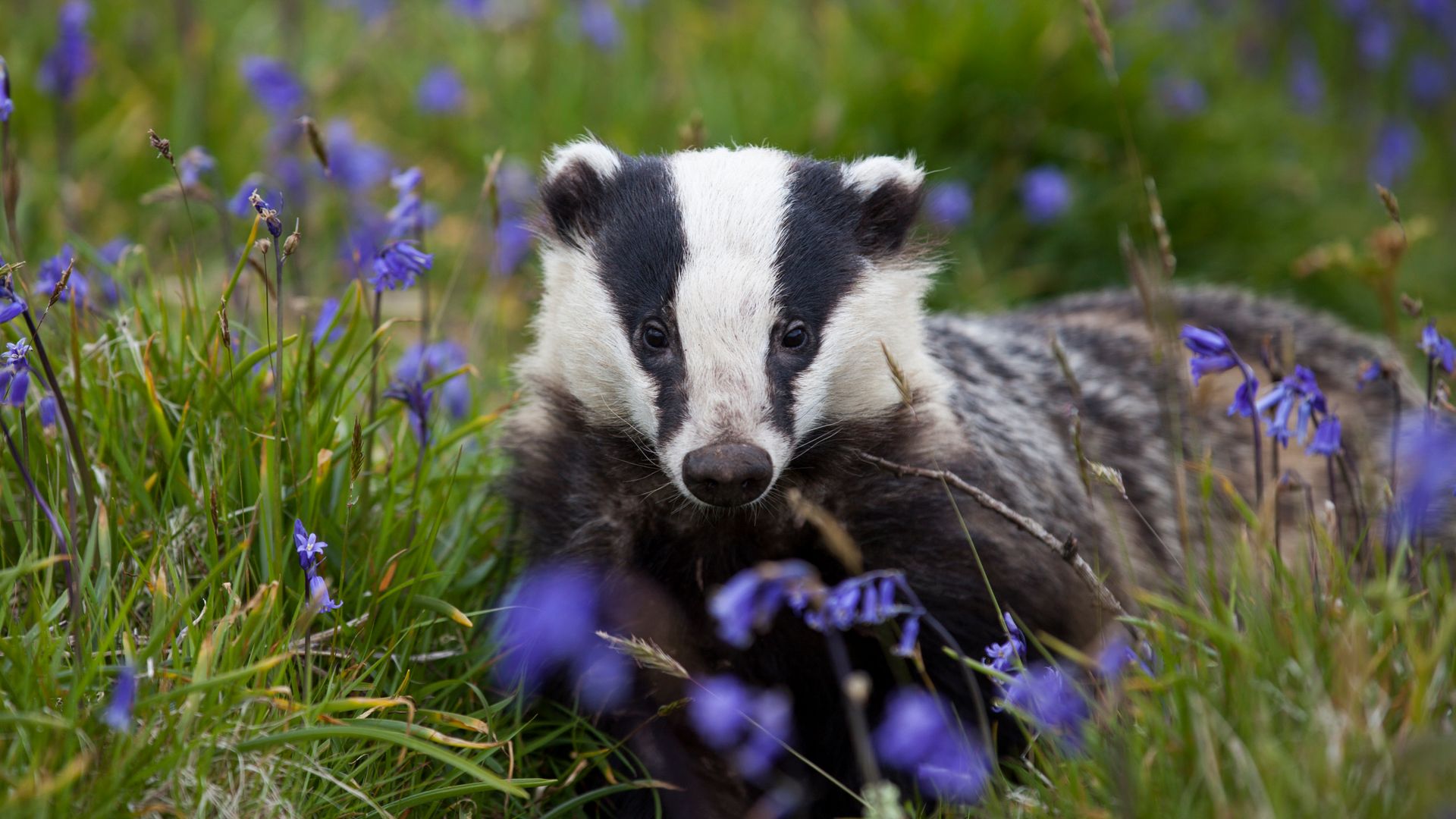
Hedgehogs, once common garden inhabitants, have experienced dramatic population declines due to habitat loss, pesticide use, and direct harm. Badgers face threats from illegal snaring, baiting, and culling, despite protections under UK law. Bird species, including protected songbirds and raptors, often fall victim to trapping, poisoning, and nest disturbance.
Why Wildlife Crimes Remain Unpunished
Experts and advocacy groups point to several factors contributing to the high number of unresolved wildlife offenses. These include limited resources for law enforcement agencies, insufficient training for officers in handling wildlife cases, and low public awareness about the severity and illegality of these acts. Furthermore, complex legal frameworks and challenges in gathering sufficient evidence can hinder prosecutions.
Campaigners argue that current penalties and enforcement efforts fail to deter offenders effectively. Many perpetrators, especially those involved in organized poaching or repeat offenses, continue their activities with little fear of consequences. This lack of accountability perpetuates a cycle of cruelty and ecological harm.
The Broader Impact on Conservation and Biodiversity
Unchecked wildlife crimes have far-reaching consequences beyond the immediate suffering of individual animals. They disrupt ecosystems, threaten endangered species, and undermine national and international conservation goals. The decline of hedgehogs, for example, signals broader environmental stresses that affect agricultural health and biodiversity.
Badgers play a vital role in controlling pests and maintaining soil quality, while birds contribute to pollination and seed dispersal. Their loss weakens natural systems that humans rely on for food production, clean air, and water. Experts warn that failure to address wildlife crime jeopardizes these essential ecosystem services and the UK’s commitment to biodiversity protection.
Campaigners Call for Stronger Action
Animal welfare organizations and conservationists are urging government authorities to enhance enforcement mechanisms, increase funding for wildlife crime units, and implement tougher penalties. They stress the importance of public education campaigns to raise awareness about the legal protections for wildlife and encourage community reporting of suspicious activities.
Collaboration between law enforcement, environmental agencies, and local communities is critical to dismantling illegal networks and safeguarding vulnerable species. Campaigners also advocate for improved data collection and transparency to better understand trends and target interventions effectively.
As wildlife crime continues to threaten the UK’s natural heritage, the call for decisive, coordinated action grows louder. Protecting creatures like hedgehogs, badgers, and birds is not only a moral imperative but also essential for preserving the ecological balance and health of the environment.
What This Means for the Future
The ongoing failure to prosecute thousands of wildlife crimes signals an urgent need to reform how these cases are addressed. Without substantial improvements, the UK risks further declines in wildlife populations and the degradation of habitats vital to both animals and humans.
For citizens, this underscores the importance of vigilance and advocacy. Reporting suspected wildlife offenses and supporting conservation efforts can help bridge enforcement gaps. Policymakers must prioritize wildlife protection to ensure that cruelty and exploitation no longer flourish unchecked.
Ultimately, tackling wildlife crime effectively requires a comprehensive approach that combines legal reform, resource investment, education, and community engagement. Only then can the UK hope to reverse the disturbing trend of impunity and secure a safer future for its native wildlife.