Daniel Thomas, widely recognized in activist circles as Danny Tommo, has been formally remanded in custody as he awaits trial scheduled for next year. This development marks a significant chapter in the ongoing legal proceedings surrounding his controversial activism against migrant communities.
The Arrest and Legal Proceedings
Daniel Thomas’s detention comes after authorities moved to ensure his presence during the upcoming trial, which is set for 2025. Known for his outspoken anti-migrant stance, Thomas has been a polarizing figure, drawing both support and condemnation for his activities. The decision to remand him in custody reflects the seriousness with which the judicial system is treating the case.
While specific charges have not been publicly detailed, the remand indicates that the court has deemed the risk of flight or further unlawful activity significant enough to justify holding Thomas behind bars until the trial date. This is a common practice in cases involving high-profile activists or individuals perceived as potentially disruptive.
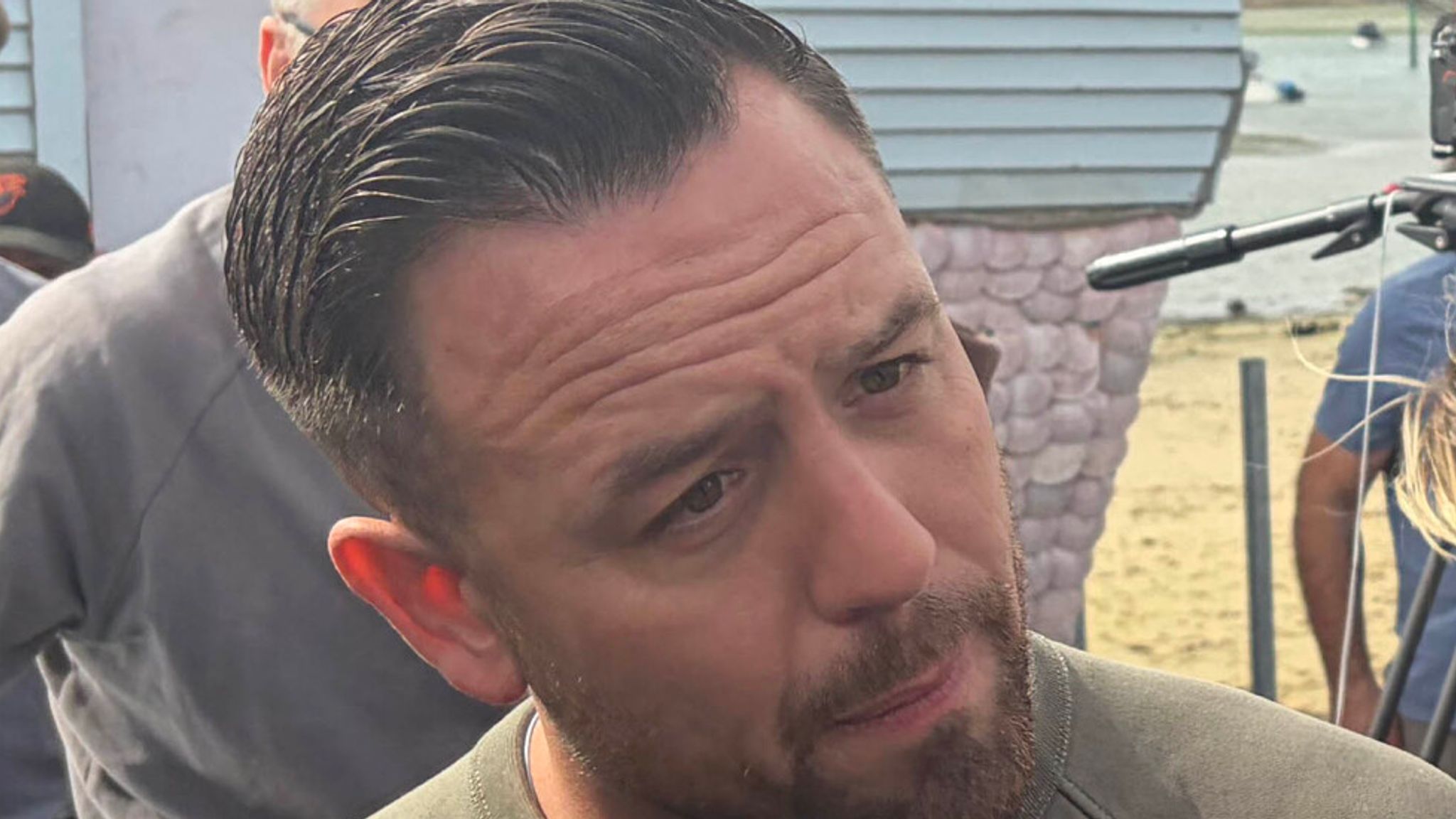
Who Is Daniel Thomas and Why Does His Case Matter?
Daniel Thomas, often referred to by his nickname Danny Tommo, has gained notoriety for his vehement opposition to migration policies and his active role in organizing demonstrations and campaigns that critics argue incite division and hostility toward migrant populations. His activism has sparked widespread debate about the boundaries between free speech and hate speech.
Thomas’s case highlights the broader tensions within societies grappling with migration, integration, and national identity. The legal actions taken against him raise important questions about how governments balance civil liberties with maintaining public order and protecting vulnerable communities. Furthermore, his trial may set precedents for how similar cases are handled in the future.
What This Means for Anti-Migrant Activism and Public Discourse
The remanding of Daniel Thomas ahead of trial sends a clear message regarding the judicial system’s stance on activism that crosses into potentially unlawful behavior. It underscores the challenges authorities face in addressing activism that, while rooted in political expression, can escalate into actions perceived as threatening social cohesion.
This case serves as a focal point for discussions on the legal limits of protest and the responsibilities activists hold when voicing contentious opinions. It also sheds light on the increasing scrutiny placed on individuals whose rhetoric may contribute to societal divisions, especially in contexts sensitive to migration and minority rights.
As the trial approaches, attention will likely intensify on both Thomas’s actions and the broader implications for anti-migrant movements. Advocates for migration rights and free speech alike are watching closely, as the outcome could influence the future landscape of political activism and public debate.
Looking Ahead
With Daniel Thomas remanded in custody, the legal process moves into a critical phase that promises to deepen the conversation around activism, migration, and justice. Observers and stakeholders across the political spectrum will be keen to see how the trial unfolds and what conclusions the courts draw about the intersection of activism and legality.
Ultimately, this case underlines the delicate balance democracies must maintain: safeguarding freedoms while ensuring that activism does not fuel division or harm marginalized groups. As the 2025 trial date draws nearer, its outcomes could reverberate far beyond the courtroom, influencing public policy and societal attitudes toward migration and activism for years to come.