

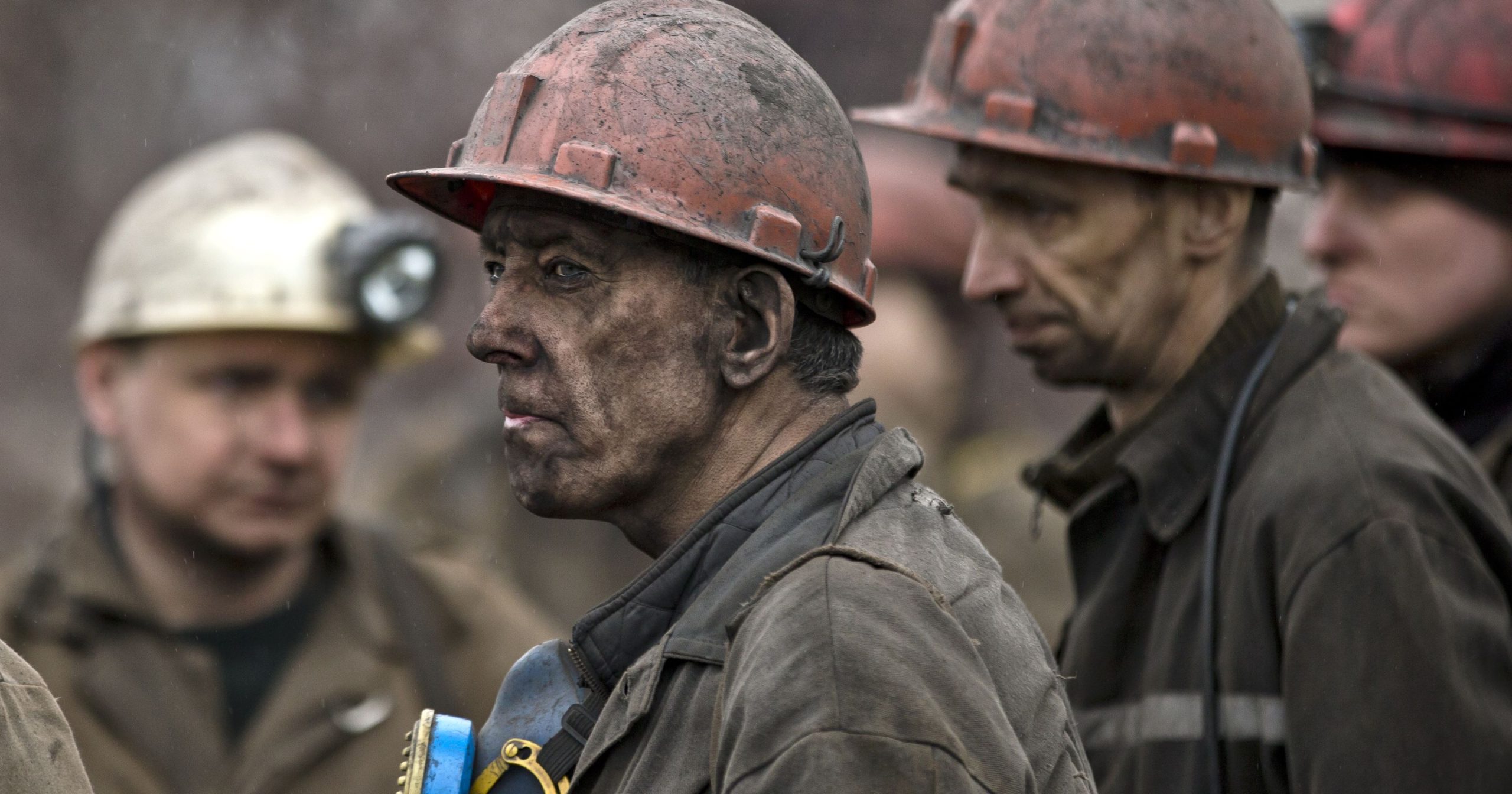
A deadly explosion has rocked a coal mine in Prokopyevsk, Russia, leaving at least one miner dead and several others unaccounted for. The incident has brought renewed attention to the ongoing risks faced by workers in Russia’s aging mining industry, particularly in the resource-rich Siberian region of Kuzbass.

Details of the Explosion and Immediate Aftermath
The blast occurred at the Dzerzhinsky coal mine, located in the city of Prokopyevsk within the Kemerovo region of Siberia. This area, known as Kuzbass, is one of Russia’s most important coal-producing regions, contributing significantly to the country’s energy and industrial sectors.
According to local law enforcement officials cited by the Interfax news agency, out of 105 miners who were underground at the time of the explosion, 101 managed to escape to the surface. Rescue teams found the body of one miner following the blast, while the fate of three others remains unknown. Local authorities continue to search for the missing miners, but the situation remains critical.
The mine was operating with a sizable workforce at the moment of the incident, illustrating both the scale of the mining operations in Kuzbass and the potential for disaster when safety measures fail or unforeseen accidents occur.
Why Accidents Continue in Russia’s Coal Mines
Fatal accidents in Russian mines have been a persistent challenge for decades, despite efforts to improve safety standards following the collapse of the Soviet Union in 1991. Many of these accidents are linked to methane gas explosions, an ever-present hazard in coal mining due to the accumulation of methane in underground tunnels.
Methane is a highly combustible gas that can ignite from sparks or electrical equipment, leading to devastating explosions. The Dzerzhinsky mine blast is consistent with this pattern, though investigations are ongoing to determine the exact cause.
Besides methane hazards, negligence and lapses in following safety protocols have frequently contributed to mining disasters. Russia’s coal mines are often criticized for their aging infrastructure and insufficient modernization, which exacerbate risks for miners working deep underground.
The Siberian region of Kuzbass, despite being rich in coal deposits, faces significant challenges in maintaining up-to-date safety technologies and enforcing strict operational standards in all mines. This has led to repeated tragedies with substantial loss of life and injuries.
Context: Recent Mining Disasters in Russia
Mining accidents remain a grim reality in Russia’s industrial landscape. Just last February, a methane explosion in a northern Russian coal mine claimed the lives of 18 miners, highlighting the deadly nature of gas-related incidents and the ongoing safety issues.
These incidents underline the need for comprehensive reforms in mining safety policy, increased investment in modern equipment, and rigorous enforcement of existing regulations. Miners risk their lives daily to sustain Russia’s energy supply, yet the industry continues to struggle with preventing catastrophic accidents.
The Dzerzhinsky mine explosion serves as a stark reminder of these challenges and the human cost of coal mining in Russia.
What This Means for the Future
The tragedy at Prokopyevsk underscores that despite incremental progress since the Soviet era, Russia’s coal mining sector still confronts systemic safety problems that demand immediate attention. The loss of life and the uncertainty surrounding the missing miners deepen concerns about working conditions in these hazardous environments.
Authorities face mounting pressure to accelerate safety reforms, invest in methane detection and ventilation technologies, and ensure strict compliance with safety regulations to protect miners. The incident also raises questions about emergency response readiness and the effectiveness of rescue operations in remote Siberian mining locations.
For the families of those trapped underground and the wider mining community, the blast is a tragic event that highlights the dangers inherent to the profession. It also serves as a call to action for industry stakeholders, policymakers, and regulators to prioritize miner safety as a fundamental responsibility.
As rescue efforts continue, the incident in Prokopyevsk will likely prompt renewed scrutiny of the mining sector’s safety record and the urgent need for sustainable solutions to safeguard workers in one of Russia’s most vital yet perilous industries.