

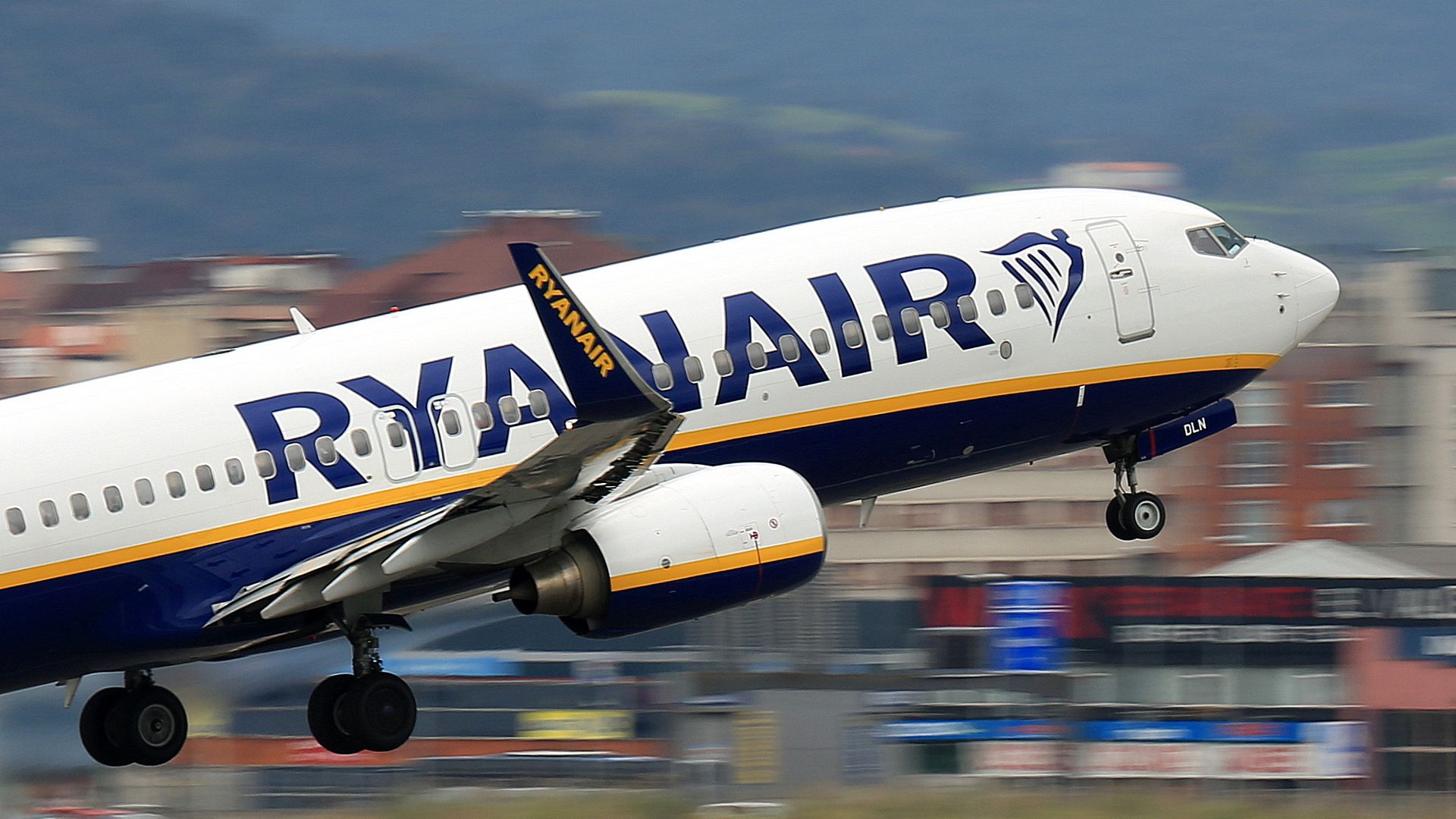
A terrifying incident unfolded mid-air when a Ryanair flight was forced to execute an emergency landing after a passenger was reportedly partially sucked out of an aircraft window. This harrowing event has drawn immediate attention to aviation safety and emergency protocols on commercial flights.
What Happened During the Flight?
During the Ryanair flight, sudden decompression occurred when a window apparently malfunctioned, creating a powerful suction force inside the cabin. One passenger was partially pulled toward the opening, effectively being “partially sucked out” of the window. The exact circumstances surrounding the window failure remain under investigation, but the incident triggered an urgent response from the flight crew and emergency services on the ground.
The flight crew acted swiftly to stabilize the situation, initiating an emergency landing procedure to ensure the safety of all passengers and crew onboard. Passengers reportedly experienced a sudden drop in cabin pressure, and the situation caused panic and distress among those on the plane. Emergency medical teams were prepared to meet the aircraft upon landing to provide immediate assistance to the affected passenger and others as needed.
Why This Incident Matters for Air Travel Safety
Commercial aircraft cabins are designed to withstand significant pressure differences at high altitudes, with windows and fuselage structures rigorously tested for durability. However, incidents like this expose the rare but catastrophic consequences when a structural failure occurs.
Partially being sucked out of a window is one of the most alarming emergencies in aviation, reminiscent of past high-profile decompression incidents that have led to tragic outcomes. While modern aircraft are equipped with multiple safety features and reinforced materials, this event underscores the critical importance of continual maintenance, inspection, and emergency preparedness.
Passengers’ lives depend on the integrity of the aircraft and the rapid response of the flight crew. In this case, the crew’s ability to manage the situation and execute an emergency landing likely prevented a far worse outcome.
What Comes Next: Investigation and Preventive Measures
Authorities and Ryanair are expected to conduct a thorough investigation into the cause of the window failure. This will likely involve detailed inspections of the aircraft involved, maintenance records, and interviews with crew and passengers.
Based on the findings, regulatory bodies may issue new guidelines or reinforce existing ones concerning aircraft window integrity and cabin pressure safety protocols. Airlines could also review their maintenance schedules and emergency training to better prepare crews for similar incidents.
The incident will undoubtedly fuel discussions about passenger safety in the aviation industry, prompting both operators and regulators to reassess risk management strategies and technological safeguards.
Takeaway: A Stark Reminder of Aviation Risks and Safety Commitment
This Ryanair emergency landing following a passenger being partially sucked out of a window highlights the unpredictable hazards in air travel. Despite the rarity of such events, it serves as a crucial reminder of the need for rigorous aircraft maintenance, robust safety standards, and highly trained flight crews ready to respond under extreme pressure.
As investigations proceed, the aviation community and passengers alike await lessons learned that will enhance safety and prevent similar incidents in the future. In the meantime, this event stands as a powerful testament to the resilience and professionalism required to navigate sudden airborne crises.