

The UK reels from the aftermath of Storm Dave, which unleashed severe gales, disrupted air travel, and forced road closures across northern regions. While several weather warnings have been lifted, parts of the UK remain on high alert as the storm moves away, leaving behind battered coastlines and unsettled conditions on Easter Sunday.
Storm Dave’s Impact Across the UK
After pounding the UK with powerful gusts, the worst of Storm Dave has passed, but the consequences continue to ripple through affected areas. An amber wind alert that covered northern England, Scotland, and Wales expired at 3 a.m., signaling a slight easing of conditions. Additionally, the Met Office lifted a yellow wind alert for all of Northern Ireland and a yellow snow warning in the Scottish Highlands.
Despite these lifted alerts, two yellow warnings remain in force as of Easter Sunday morning. One covers northern England and Wales until 7 a.m., while the other spans the entirety of mainland Scotland, including the Orkney and Shetland Islands, extending until midday. The Met Office cautions that these areas will still experience severe gales before the storm finally moves into the North Sea.
The official forecast predicts that following the storm’s departure northeastward, the UK will see a mix of sunshine and showers throughout Easter Sunday. Showers are expected to be particularly heavy and blustery across northern regions, prolonging unsettled weather for many.
Transport Chaos: Flights and Roads Disrupted
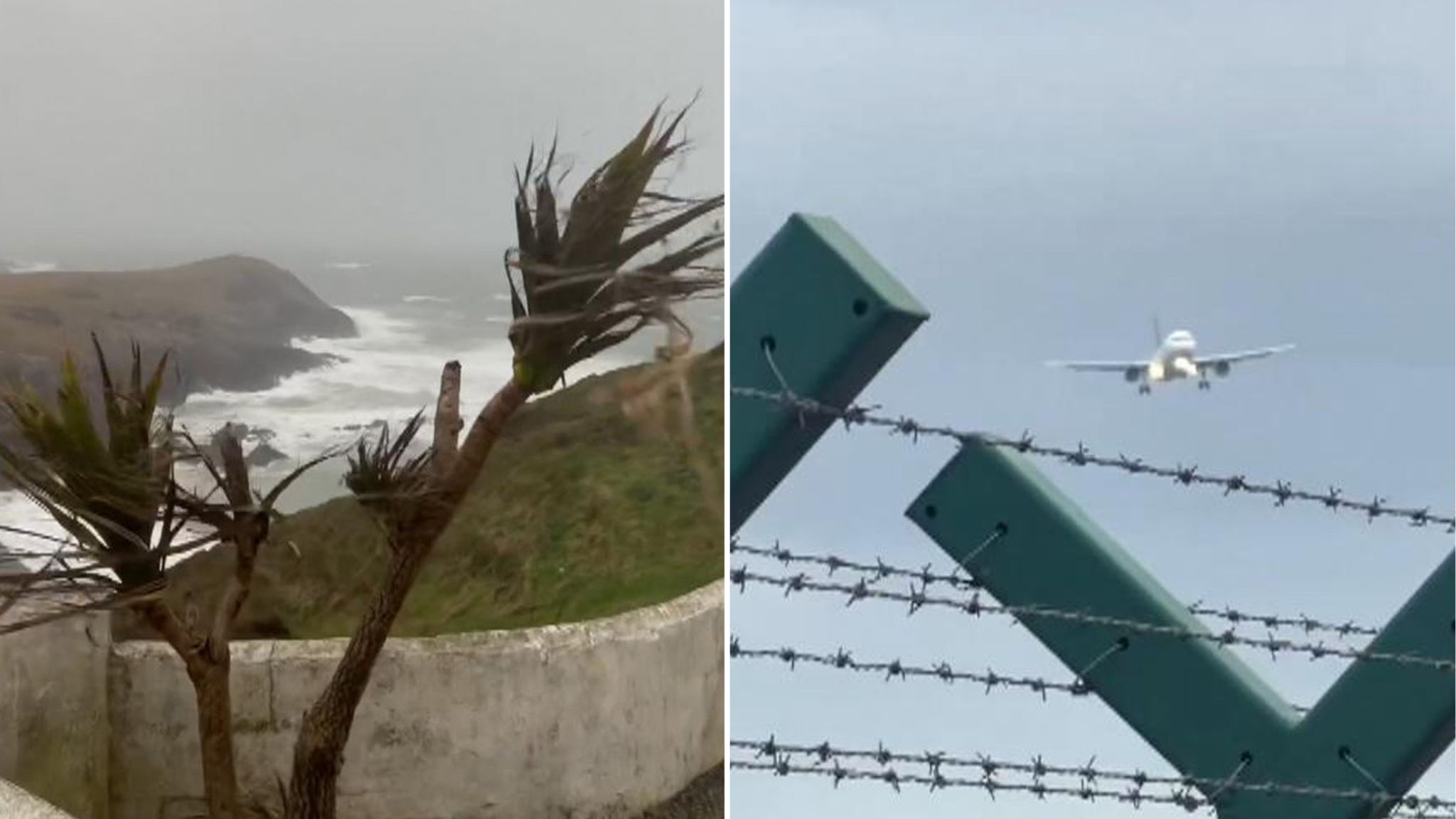
Storm Dave’s fierce winds wreaked havoc on transportation networks, most notably at Dublin Airport. Pilots faced challenging landing conditions amid gusts reaching up to 44 knots (around 50 mph), with dramatic footage capturing planes wobbling as they approached the runway. On Saturday alone, the airport cancelled 17 flights and reported numerous go-arounds and diversions due to the hazardous weather.
The airport authority warns that disruptions will persist, as displaced aircraft and crews may cause knock-on effects for passengers today. Travelers are advised to check flight statuses and prepare for potential delays or cancellations.
Meanwhile, on the roads, strong winds gusting up to 66 mph in north Wales forced the closure of the A66 in both directions. This crucial route closure highlights the ongoing safety risks posed by the storm’s remaining force. Motorists in affected regions are urged to exercise caution and stay updated on road conditions.
Power Outages and Preparedness Measures
The Energy Network Association, representing UK electricity providers, has issued warnings about possible power outages and fallen lines caused by the storm’s relentless winds. In response, network operators have ramped up staffing levels and strategically relocated spare equipment to areas forecasted to face the greatest disruption.
This proactive approach aims to minimize downtime and restore electricity supplies rapidly where outages occur. Residents in affected areas should be prepared for intermittent power cuts and report any faults promptly to their energy providers.
Why Storm Dave’s Aftermath Matters
Storm Dave underscores the increasing volatility of weather patterns impacting the UK, particularly during transitional seasons like spring. The storm’s force has tested infrastructure resilience—from airports to road networks and energy grids—highlighting the critical importance of advance preparedness and responsive emergency services.
As the nation moves forward, the lingering showers and gusts remind communities to remain vigilant. Transport disruptions and power outages can significantly affect daily life, especially during holiday periods when travel and gatherings surge.
Authorities’ swift response and clear communication helped mitigate some impacts, but the event serves as a reminder that extreme weather events require continuous investment in forecasting, infrastructure robustness, and public awareness.
Looking Ahead
With Storm Dave now heading into the North Sea, the UK can expect gradually improving conditions through Easter Sunday. However, the storm’s legacy—damaged power lines, disrupted transport, and unsettled coastal areas—will require ongoing attention. Residents and travelers should stay informed via official channels as recovery efforts continue.
In the broader context, Storm Dave reflects a pattern of increasingly frequent and intense storms affecting the British Isles, emphasizing the need for adaptive strategies against future weather extremes.