

Three teenagers sentenced to a combined 19 years in custody brutally killed a man they suspected of being a paedophile after luring him to a beach on the Isle of Sheppey. The case, which shocked the community and raised complex questions about vigilante justice, ended with manslaughter convictions but acquittals on murder charges.
The Deadly Attack at Leysdown-on-Sea
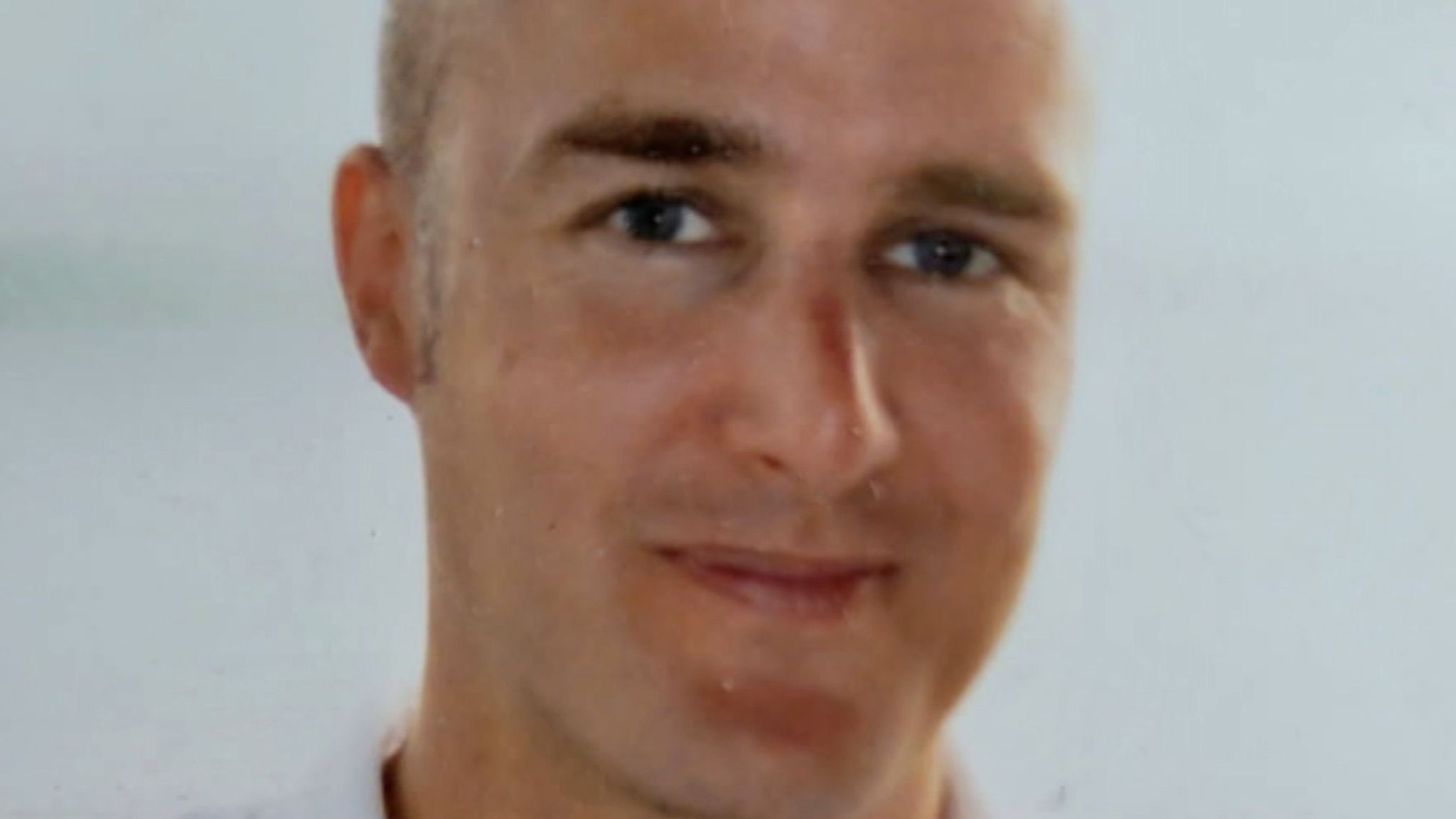
On 10 August last year, Alexander Cashford, 49, was fatally attacked by a trio of teenagers at Leysdown-on-Sea, Kent. The group consisted of a 16-year-old girl and two boys aged 15 and 16. Prosecutors revealed the teenagers lured Mr Cashford under the belief that he was a paedophile, leading to a violent confrontation that cost him his life.
The incident unfolded after Mr Cashford met the girl at an amusement arcade two days earlier. During that encounter on 8 August, he gave her his phone number and a business card bearing a false name. Subsequent text exchanges revealed Mr Cashford, who claimed to be 30 years old, initiated conversations with the girl, who was using the alias “Sienna.” In messages, he asked if she liked champagne and expressed a desire to kiss her.

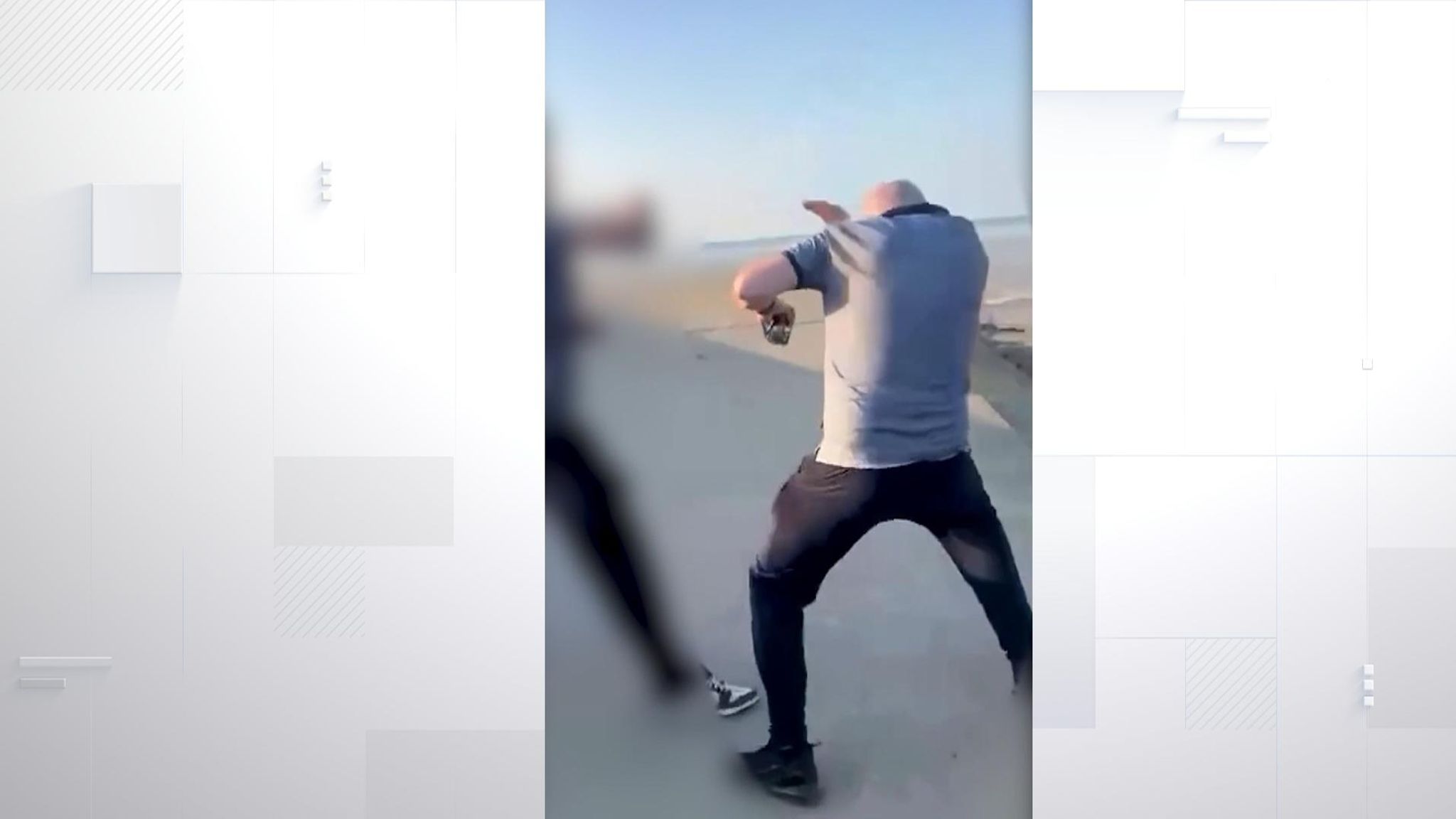
Despite the girl’s young age, Mr Cashford arranged to meet her by the sea wall, which is where the tragic attack took place. The older boy admitted to initiating the assault, explaining he felt the police would not intervene if they reported Mr Cashford’s intentions. During the attack, he wielded a bottle intending to hurt but claimed he did not anticipate causing serious harm. The girl shouted obscenities, labeling Mr Cashford a “f****** paedophile” while filming the chase.

The Court Case: Manslaughter, Not Murder
At the Old Bailey, the teenagers faced charges of murder but were ultimately convicted of manslaughter. The two 16-year-olds received seven-year custodial sentences, while the 15-year-old boy was sentenced to five years. The court heard that the girl and the younger boy insisted there was never an intention to hit Mr Cashford.
A post-mortem examination revealed the severity of Mr Cashford’s injuries: multiple bruises, fractures to several ribs that punctured a lung, and blunt force trauma to his face and head. Witnesses described the boy throwing a rock “the size of a cereal bowl” during the assault.
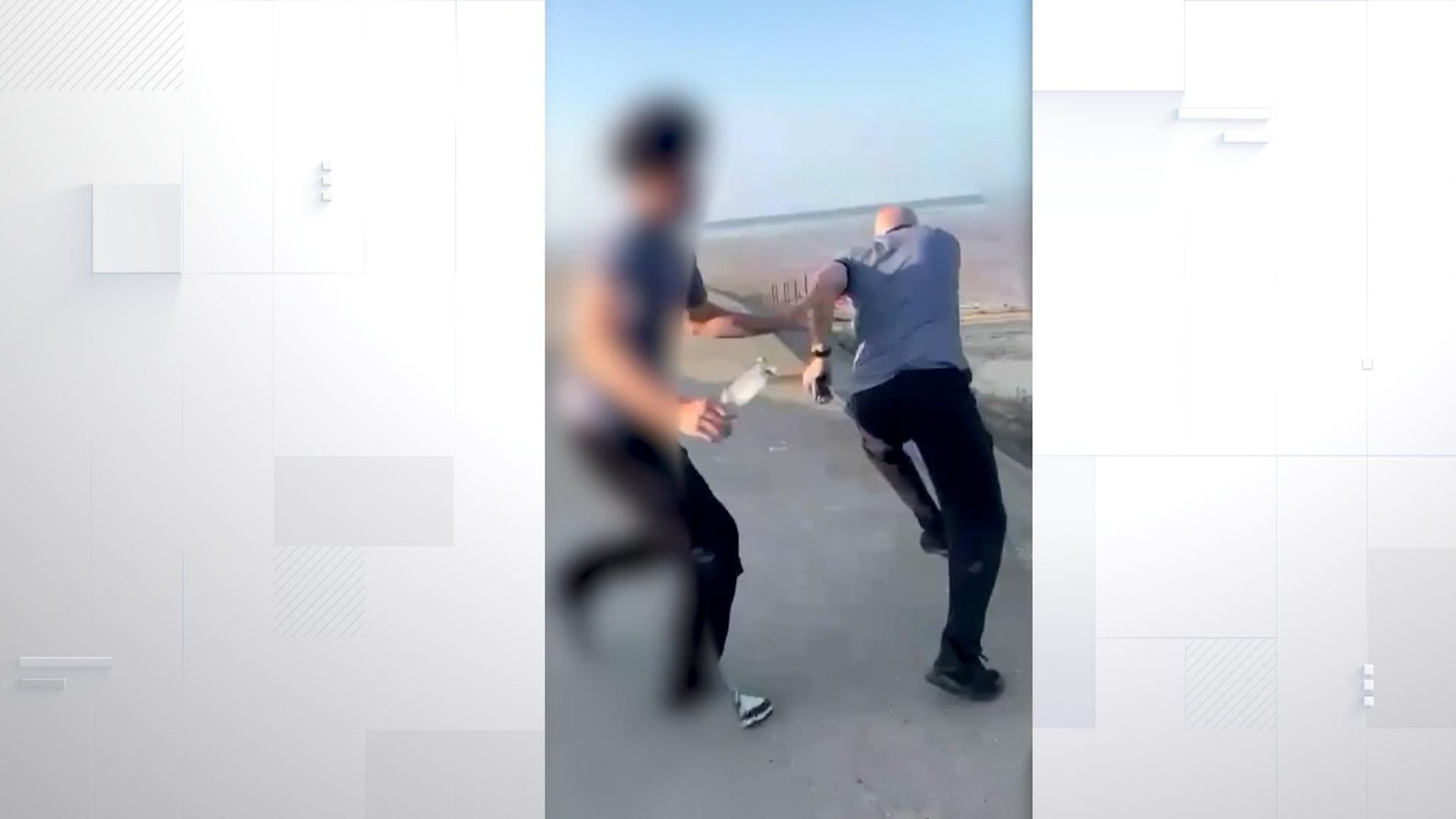
Mobile phone footage played in court showed the moment the victim was struck on the head with a bottle. Disturbingly, the 16-year-old shared this footage shortly after the attack, captioning it with a derogatory term. Detective Chief Inspector Neil Kimber from Kent Police described the teenagers’ eagerness to post the video on social media as “almost quite macabre.”

The Victim’s Family Speaks Out
Mr Cashford’s family issued heartfelt statements at sentencing, describing him as a “kind, friendly and compassionate person” devoted to local wildlife and sports. His parents, David and Linda Cashford, said the loss left them “emotionally crushed,” emphasizing that slanderous accusations against their son were “particularly difficult” and entirely unfounded.

His sister, Emma Gould, expressed the profound personal impact, lamenting how her brother was taken “in a cruel and violent way.” She questioned how she would explain to her six-year-old son that his uncle was gone forever.
Why This Case Matters: The Dangers of Vigilante Justice
This case highlights the perilous consequences when individuals take the law into their own hands based on suspicion or misinformation. The teenagers’ actions, initially described as “a bit of mischief” by the sentencing judge, escalated into a fatal attack with irreversible consequences.
Defense attorneys argued that the boy, described as having a difficult upbringing, showed genuine remorse, and that the girl’s interactions with Mr Cashford began as a joke before escalating. Nevertheless, the court condemned their conduct as reckless and dangerous.
Mrs Justice Cheema-Grubb, delivering the sentence, underscored that what began as a misguided attempt to expose someone perceived as a threat tragically ended in death. The ruling serves as a sobering reminder of the risks posed when suspicion fuels violent acts without due process.

Looking Ahead: Lessons and Reflections
The sentencing closes this chapter but opens broader debates about social media’s role in vigilantism, the responsibilities of young people in a digital age, and how communities and law enforcement address allegations of predatory behavior.
Alexander Cashford’s death leaves a void for his family and community, underscoring the need for careful, lawful responses to concerns about safety rather than impulsive violence. As society grapples with these issues, this case stands as a stark illustration of how fear and misinformation can lead to tragic outcomes.