A Stunning Reinvention of a Timeless Classic
The legacy of Walt Disney’s The Jungle Book is monumental, standing tall as one of the studio’s most cherished animated musicals since its original release in 1967. Rooted in Rudyard Kipling’s beloved tales, the story of Mowgli, the “man cub” raised by wolves in the Indian jungle, has captured imaginations for generations. Yet, the decision to remake this masterpiece in a radically different form, eschewing traditional animation for cutting-edge digital effects and abandoning most of the original songs, raises a compelling question: what is the purpose behind such a transformation?
Rather than merely replicating nostalgia, this new adaptation embraces a bold and innovative approach. It marries hyperrealistic digital animation with classic storytelling techniques, delivering a cinematic experience that is both visually breathtaking and emotionally resonant. Though it leaves behind the musical format that defined the original, this remake reimagines the narrative with fresh twists and expanded character arcs, making it accessible and thrilling for modern audiences while honoring its roots.

Breathing New Life into Iconic Characters and Scenes
This retelling captures the adventurous spirit and heartfelt warmth of Disney’s original film, while drawing inspiration from other hallmark animal-focused family movies like The Incredible Journey (1963). The immersive jungle environment feels tangible and alive, with digital animation that convincingly brings talking animals to life without slipping into uncanny valley territory. The film’s tone ranges from playful and humorous to intense and dramatic, evoking the primal energy reminiscent of Mel Gibson’s Apocalypto (2006) in its portrayal of the jungle’s raw forces.
What sets this remake apart is its clever integration of elements inspired by another Disney classic, The Lion King (1994), a film itself influenced by The Jungle Book. Viewers will recognize the symbolic “special rock” where animals convene, a dramatic stampede sequence, and an antagonistic feline character marked by a facial scar, weaving together a richer tapestry of jungle lore.
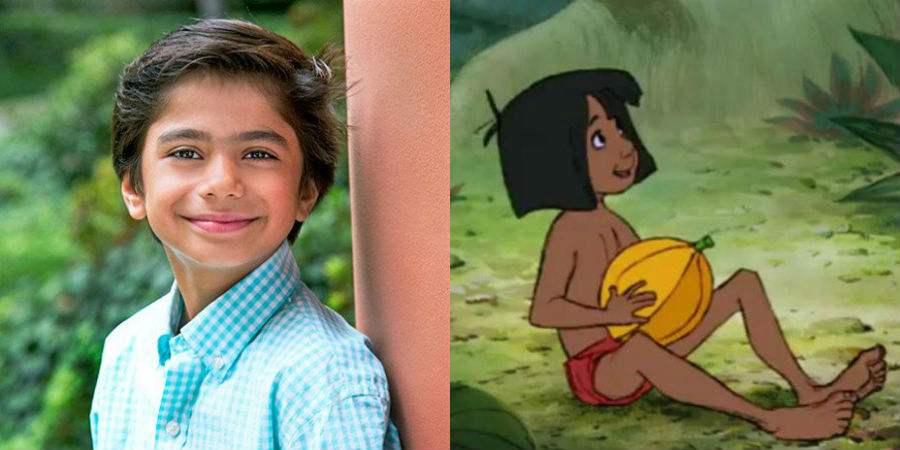
The casting brings extraordinary vocal talent to the forefront. Neel Sethi embodies Mowgli with natural curiosity and determination, anchoring the story’s emotional core. Ben Kingsley lends a sleek, commanding presence to Bagheera the panther, while Idris Elba delivers a menacing and charismatic performance as Shere Khan, the feared tiger. Adding to the eerie mystique, Scarlett Johansson voices Kaa, the hypnotic snake, with a sibilant and captivating tone.

A Charismatic Baloo and Other Standout Performances
One of the film’s most delightful surprises is Bill Murray as Baloo the bear. His portrayal infuses the character with laid-back charm and wit, perfectly capturing Baloo’s philosophy of embracing life’s simple pleasures and “bare necessities.” Murray’s nuanced vocal performance balances humor with heartfelt mentorship, making Baloo a compelling guide for Mowgli’s journey.
Christopher Walken’s turn as King Louie, the fire-wielding orangutan, adds a quirky and unpredictable energy to the ensemble, rounding out a cast that elevates the story beyond mere spectacle.
Innovative Storytelling and Themes Revisited
While the film departs from the musical format of its predecessor, it thoughtfully incorporates two iconic songs: “The Bare Necessities” and “I Wanna Be Like You.” These moments feel organic, respecting the narrative flow without feeling forced. More significantly, the story revisits and emphasizes Kipling’s foundational concept of The Law of the Jungle, celebrating the collective strength and interdependence symbolized by the wolf pack. This thematic thread underscores the film’s core message: survival and harmony rely on unity and mutual respect.
The remake also expands on the backstory of key characters, such as wolf leader Akela, voiced by Giancarlo Esposito, and deepens the conflict with Shere Khan. These additions enrich the narrative, providing motivations and emotional depth that were more subtle in the original. A playful yet thoughtful explanation for Mowgli’s iconic loincloth adds a touch of humor and realism, connecting the character more firmly to the jungle environment.
Notably, this adaptation introduces a more optimistic outlook on the relationship between humans and the animal kingdom. Unlike the original film’s bittersweet acceptance that Mowgli must eventually leave the jungle to grow up, this version entertains the hope of coexistence, suggesting that harmony between species is possible despite their differences. This subtle shift aligns with contemporary themes of environmental stewardship and community, making the story resonate with today’s audiences.
Why This Remake Matters
The new The Jungle Book is more than a technical showcase of hyperrealistic animation. It is a vibrant, heartfelt revival that honors Disney’s storytelling legacy while pushing creative boundaries. By blending nostalgic elements with modern sensibilities, it appeals to both longtime fans and newcomers alike.
Its success lies in striking a balance between reverence and reinvention, retaining beloved characters and themes while adding depth, modern context, and visual innovation. This approach revitalizes a classic tale for a new generation, reaffirming the timeless appeal of Mowgli’s adventures and the universal messages of friendship, courage, and belonging.
Ultimately, this spectacular remake demonstrates that classic stories can be retold with fresh energy and relevance, proving that the magic of The Jungle Book continues to thrive in the 21st century.