

An extensive new report reveals that the number of women admitted to Northern Ireland’s infamous mother and baby homes and Magdalene Laundries exceeds previous estimates by nearly 2,000. This significant increase reshapes our understanding of the scale of institutionalisation these vulnerable women faced.
Unveiling the True Scale of Institutionalisation
For decades, mother and baby homes and Magdalene Laundries in Northern Ireland have remained a haunting chapter in the region’s social history. These institutions housed unmarried pregnant women and single mothers under harsh and often coercive conditions. Until now, official figures significantly underestimated how many women were confined within these establishments.
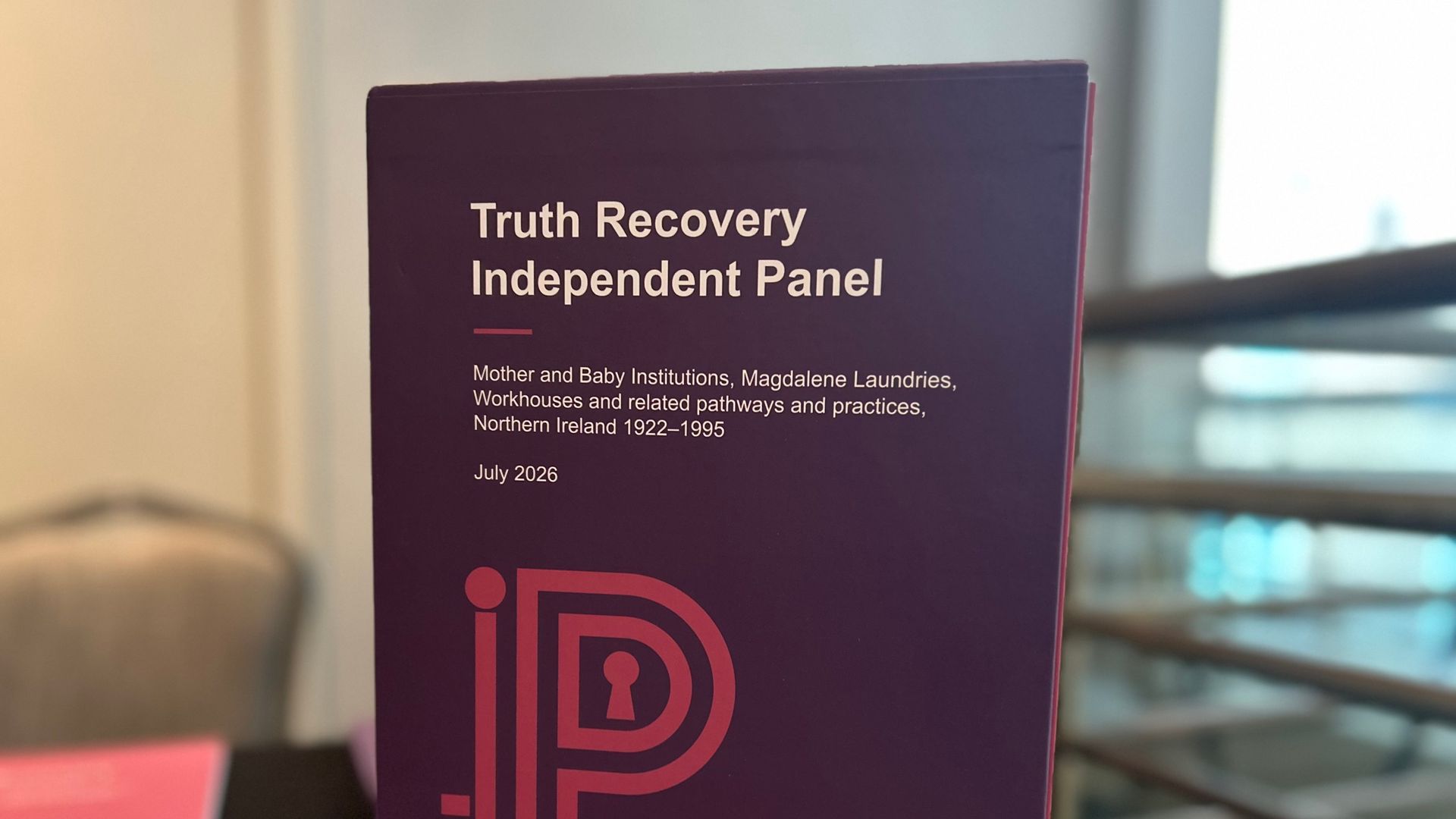
The newly published report, based on extensive archival research and survivor testimonies, identifies approximately 2,000 additional women who were admitted to these institutions. This figure challenges earlier assumptions and highlights the widespread nature of these practices, extending beyond prior official records.
Mother and baby homes were ostensibly designed to provide care for unmarried mothers and their children. However, survivors recount that many endured forced separation from their babies, poor living conditions, and exploitation. Magdalene Laundries, often run by religious orders, were notorious for their use of forced labour and the stigmatization of women who were deemed “fallen.”
Why This Revelation Matters
The discovery of thousands more cases underscores the urgent need for acknowledgment, justice, and reparations for survivors. These women and their families have long sought recognition of the suffering inflicted by these state- and church-run institutions.
Beyond the personal trauma, this expanded figure sheds light on the systemic societal attitudes that allowed such widespread institutionalisation to occur. It reflects a period when unwed mothers were marginalized and punished rather than supported, a legacy that continues to affect survivors and their descendants.
Understanding the true extent of admissions also informs ongoing governmental inquiries and investigations into these institutions. It provides a more accurate foundation for crafting policies aimed at redress and prevention of similar abuses in the future.
What Comes Next for Survivors and Society
The report’s findings are expected to intensify calls for comprehensive apologies, financial compensation, and public memorials. Survivor advocacy groups emphasize that truth-telling is a crucial step toward healing and societal reconciliation.
Government officials face increased pressure to fully account for the institutional practices and to ensure lessons are learned from this dark chapter in Northern Ireland’s history. This includes reviewing records, supporting survivors’ access to their personal histories, and implementing educational programs to prevent recurrence.
Moreover, the report challenges communities to confront uncomfortable truths about past social policies and to commit to fostering a culture of inclusion and respect for vulnerable populations.
Looking Ahead: Lessons and Legacy
The revelation that thousands more women were confined in mother and baby homes and Magdalene Laundries than previously known is a sobering reminder of the human cost of social stigma and institutional control. It calls on Northern Ireland—and societies worldwide—to critically examine how vulnerable groups are treated and to ensure accountability and compassion guide future policies.
As survivors continue to share their stories, this expanded understanding offers a stronger foundation for justice and reconciliation. It also serves as a cautionary tale about the dangers of marginalization and the critical importance of safeguarding human rights for all.