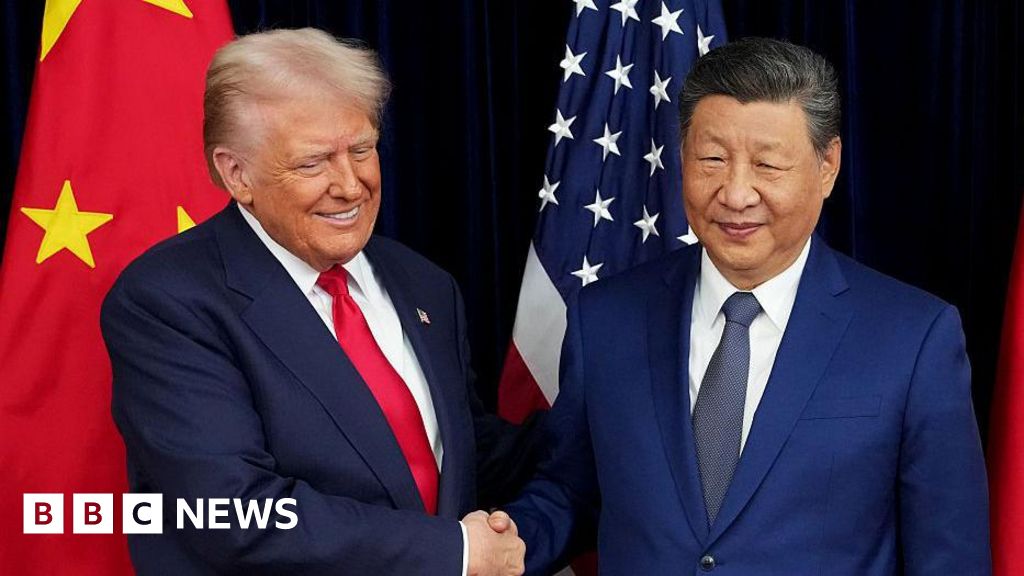
President Donald Trump’s 2018 announcement of tariffs on $250 billion (£185 billion) worth of Chinese imports marked a pivotal moment that many experts identify as the ignition point of the US-China trade war. This aggressive move disrupted global markets and tested fragile economic ties between the two superpowers.
The Start of a Trade War: What Happened in 2018?
In 2018, the Trump administration unleashed sweeping tariffs targeting Chinese goods, aiming to curb what it described as unfair trade practices and intellectual property theft. The $250 billion tariff list covered a broad range of Chinese exports, from electronics to machinery, sending shockwaves through supply chains worldwide.
Beyond China, Trump also imposed levies on other major trading partners, including Mexico, Canada, and the European Union. These moves reflected his broader strategy to renegotiate trade deals and reduce perceived imbalances that he argued disadvantaged American workers and industries.
Ning Leng, a policy researcher at Georgetown University, highlighted the unprecedented nature of these actions. “It was the first time China dealt with Trump seriously,” Leng said. “They probably did not expect him to go ahead with it.” This surprise factor contributed to the sharply escalated tensions between Washington and Beijing.
China’s Economic Vulnerabilities Exposed
At the time, China’s economy was heavily reliant on exports to the United States, making the tariffs a direct threat to its manufacturing sector and employment rates. The US served as a crucial market for Chinese goods, supporting millions of jobs within factories and related industries.
Trump’s tariffs disrupted this vital trade flow, creating uncertainty and risk for Chinese workers dependent on American demand. The levies effectively raised the cost of Chinese products in the US market, prompting some buyers to seek alternatives or delay orders, thereby putting pressure on Chinese exporters.
This trade conflict compounded existing structural challenges in China’s economy. Domestic consumption had slowed, unemployment figures remained high, and the country faced a protracted property market crisis. The tariffs threatened to choke off one of the few remaining engines of growth—exports to the US.
For Beijing, maintaining its manufacturing output and employment levels became increasingly difficult amid escalating trade barriers. The tariffs highlighted China’s vulnerability to external shocks and underscored the urgency of diversifying its economic model away from export dependency.
Why This Trade War Still Matters Today
While tariffs have fluctuated and negotiations have taken place, the 2018 tariffs permanently shifted the dynamics of US-China economic relations. They exposed deep-seated disagreements over trade policies, intellectual property rights, and market access that remain unresolved.
The trade war also sent ripples through global supply chains, forcing companies worldwide to rethink sourcing strategies and investment plans. Many multinational corporations faced increased costs and disruptions, which in some cases translated into higher prices for consumers.
Moreover, the tariffs amplified geopolitical tensions, turning economic competition into a broader contest for global influence. The trade war demonstrated how economic policy can become a tool of strategic rivalry, with significant implications for international stability.
For China, the experience underscored the risks of over-reliance on the US market and the importance of accelerating domestic reforms and regional partnerships. For the US, it highlighted the challenges of confronting global economic competitors without triggering counterproductive consequences.
Looking Ahead: The Ongoing Impact of Trump’s Trade Policies
Trump’s 2018 tariffs on Chinese imports were more than just an economic policy—they were a declaration of a tougher stance toward China that has shaped subsequent administrations’ approaches. The trade war’s legacy continues to influence negotiations, tariffs, and bilateral relations.
Understanding this history is crucial for analyzing current and future US-China interactions. The economic and political tensions ignited by these tariffs remain a central factor in global trade discussions, supply chain decisions, and diplomatic strategies.
As both countries navigate a complex interplay of cooperation and competition, the lessons from 2018 serve as a reminder of the high stakes involved in managing the world’s most consequential economic relationship.