

For centuries, the exact appearance of Anne Boleyn, the infamous second wife of King Henry VIII, has remained shrouded in mystery. Now, cutting-edge computational technology has produced a striking portrait that claims to capture her likeness more accurately than ever before. But how reliable is this digital reconstruction, and what does it tell us about one of history’s most enigmatic figures?
Unveiling Anne Boleyn: The Challenge of Historical Portraiture
Anne Boleyn’s image has long been a subject of fascination and speculation. The scarcity of contemporary portraits and the bias of Tudor-era chroniclers have complicated efforts to depict her authentically. Traditional portraits often reflect the artistic styles and political agendas of their time rather than offering a true likeness.
Historians and artists typically rely on a combination of written descriptions, surviving artworks, and forensic analysis to reconstruct faces from the past. Anne was described by contemporaries as having dark hair, a slender face, and an alluring presence, but these accounts vary widely, leaving plenty of room for interpretation.
Enter modern technology. Advances in computational imaging and artificial intelligence now allow experts to generate highly detailed facial reconstructions based on the limited data available, including skull measurements, period descriptions, and known genetics from related individuals.
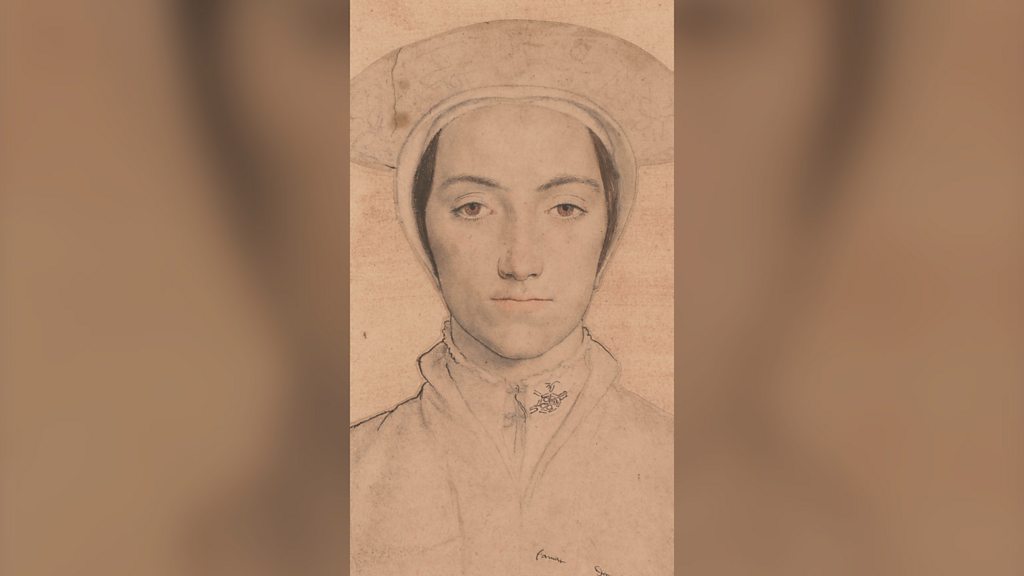
How the Digital Portrait Was Created
The new portrait of Anne Boleyn emerged from a collaboration between historians, computer scientists, and forensic artists. By feeding historical records and skeletal data into sophisticated algorithms, they crafted a facial image that reflects both the physical traits likely possessed by Anne and the aesthetic context of her era.
The process involved analyzing skull fragments believed to be hers, cross-referencing them with genetic markers from her relatives, and incorporating period-specific details such as hairstyle and fashion. The resulting image portrays a young woman wearing a circular-shaped hat, rendered in delicate black ink on a beige canvas-like background.
Experts emphasize that this portrait is not a definitive photograph but a scientifically grounded approximation. It challenges previous depictions that often romanticized or vilified Anne, offering instead a nuanced view that aligns with contemporary descriptions of her sharp intelligence and striking presence.
Why This Matters: Reassessing Anne Boleyn’s Legacy
Anne Boleyn’s life and death have profoundly influenced English history, shaping the course of the Reformation and the monarchy. Understanding her true appearance humanizes her beyond the caricatures of a scheming queen or tragic martyr.
This computational portrait invites the public and scholars alike to reconsider Anne’s identity, not just as a historical figure, but as a real woman with a distinct personality and presence. It also underscores the transformative power of technology in rewriting history, demonstrating how digital tools can bridge the gap between past and present.
Moreover, this approach opens new avenues for exploring other historical figures whose images have been lost or distorted over time. By blending science and art, we gain richer, more authentic insights into the people who shaped our world.
Looking Ahead: The Future of Historical Reconstructions
As computational techniques evolve, historians anticipate even more accurate and immersive reconstructions of historical figures. Virtual reality and 3D modeling could soon allow us to interact with lifelike representations, deepening our connection to the past.
For now, the new portrait of Anne Boleyn stands as a compelling testament to the marriage of technology and history. While debates over its accuracy will continue, it undeniably breathes fresh life into the study of one of England’s most captivating queens.
Ultimately, this portrait challenges us to rethink how we visualize history and reminds us that behind every famous name lies a complex, human story waiting to be rediscovered.