

Every year, the Eta Aquariid meteor shower lights up the early morning skies with brilliant streaks of cosmic debris blazing through Earth’s atmosphere. In 2026, skywatchers around the globe have a prime opportunity to catch this dazzling celestial event at its peak. But when exactly should you look, and what makes the Eta Aquariids one of the most exciting meteor showers of the year?
What Is the Eta Aquariid Meteor Shower?
The Eta Aquariid meteor shower occurs annually as Earth passes through the trail of dust and debris left behind by Halley’s Comet. This comet travels through the inner solar system roughly every 76 years, leaving behind streams of tiny particles. When these particles enter Earth’s atmosphere at high speeds, they ignite and create bright meteors, commonly called “shooting stars.”
Named after the constellation Aquarius, where its radiant point lies, the Eta Aquariids are renowned for their swift, bright meteors. Unlike many meteor showers that peak late at night, the Eta Aquariids are best viewed in the predawn hours, adding an element of challenge and exclusivity to the experience.
When and Where to Watch in 2026
The Eta Aquariid meteor shower typically peaks in early May. In 2026, the prime viewing window falls on the night of May 5th into the early morning of May 6th. During these hours, observers can expect to see up to 50 meteors per hour under ideal dark-sky conditions.
To maximize your chances of witnessing this spectacle, experts advise heading to locations with minimal light pollution. Rural areas, national parks, or countryside spots away from city lights provide the clearest view of the night sky. Because the radiant is located in the Aquarius constellation, which rises just before dawn, the best viewing times are usually between 3:00 AM and 5:30 AM local time.
Be sure to face east or southeast, toward the Aquarius constellation, when looking up. Unlike some meteor showers that radiate from a high point in the sky, the Eta Aquariids’ radiant is relatively low near the horizon at peak times, so a clear, unobstructed horizon is essential.
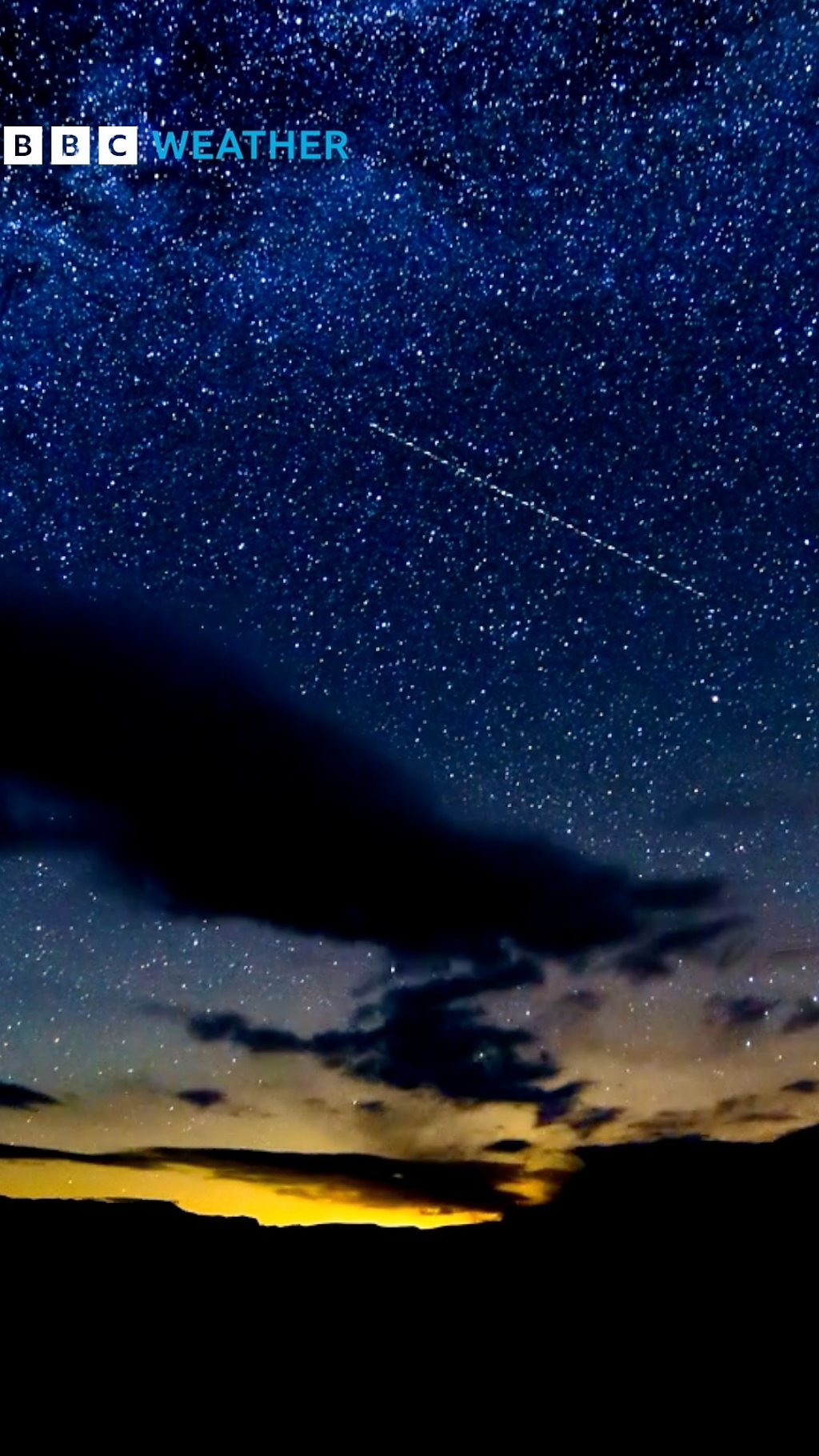
Tips for an Optimal Viewing Experience
Watching meteor showers requires patience and preparation. Here are some key tips to enhance your Eta Aquariid experience:
- Give your eyes time to adjust: Spend at least 20 minutes in the dark to allow your eyes to reach full night vision sensitivity.
- Dress warmly: Early May mornings can be chilly, especially in open areas. Layered clothing and blankets will keep you comfortable during extended skywatching.
- Bring comfortable seating: Reclining lawn chairs or blankets allow you to look upward comfortably without straining your neck.
- Avoid light pollution: Avoid using phones or flashlights unless necessary, as artificial light can disrupt your night vision.
- Check the weather forecast: Clear skies are crucial. Clouds and haze can obstruct your view and diminish meteor visibility.
While no special equipment is needed, binoculars or telescopes won’t enhance the experience since meteors streak quickly across large areas of the sky. The naked eye remains the best tool to catch these fleeting celestial fireworks.
Why the Eta Aquariids Matter
The Eta Aquariid meteor shower offers more than just a stunning visual display—it connects us to the dynamic nature of our solar system. Each meteor represents tiny fragments of Halley’s Comet that have traveled millions of miles before burning up in Earth’s atmosphere. Observing this shower is a reminder of the intricate cosmic dance between Earth and celestial bodies.
Additionally, the Eta Aquariids provide a unique chance to witness Halley’s Comet indirectly, as the comet itself won’t return until 2061. For astronomers and enthusiasts alike, meteor showers like this deepen public interest in space science and inspire curiosity about the universe beyond our planet.
Looking Ahead: Preparing for the 2026 Eta Aquariids
As the 2026 Eta Aquariid peak approaches, now is the ideal time to plan your observation strategy. Mark your calendars for the predawn hours of May 5th to 6th, scout out dark locations, and gather your gear for a night of cosmic wonder.
Whether you’re a seasoned astronomer or a casual stargazer, the Eta Aquariid meteor shower promises an unforgettable spectacle—an annual reminder of the vast and dynamic universe we inhabit.