

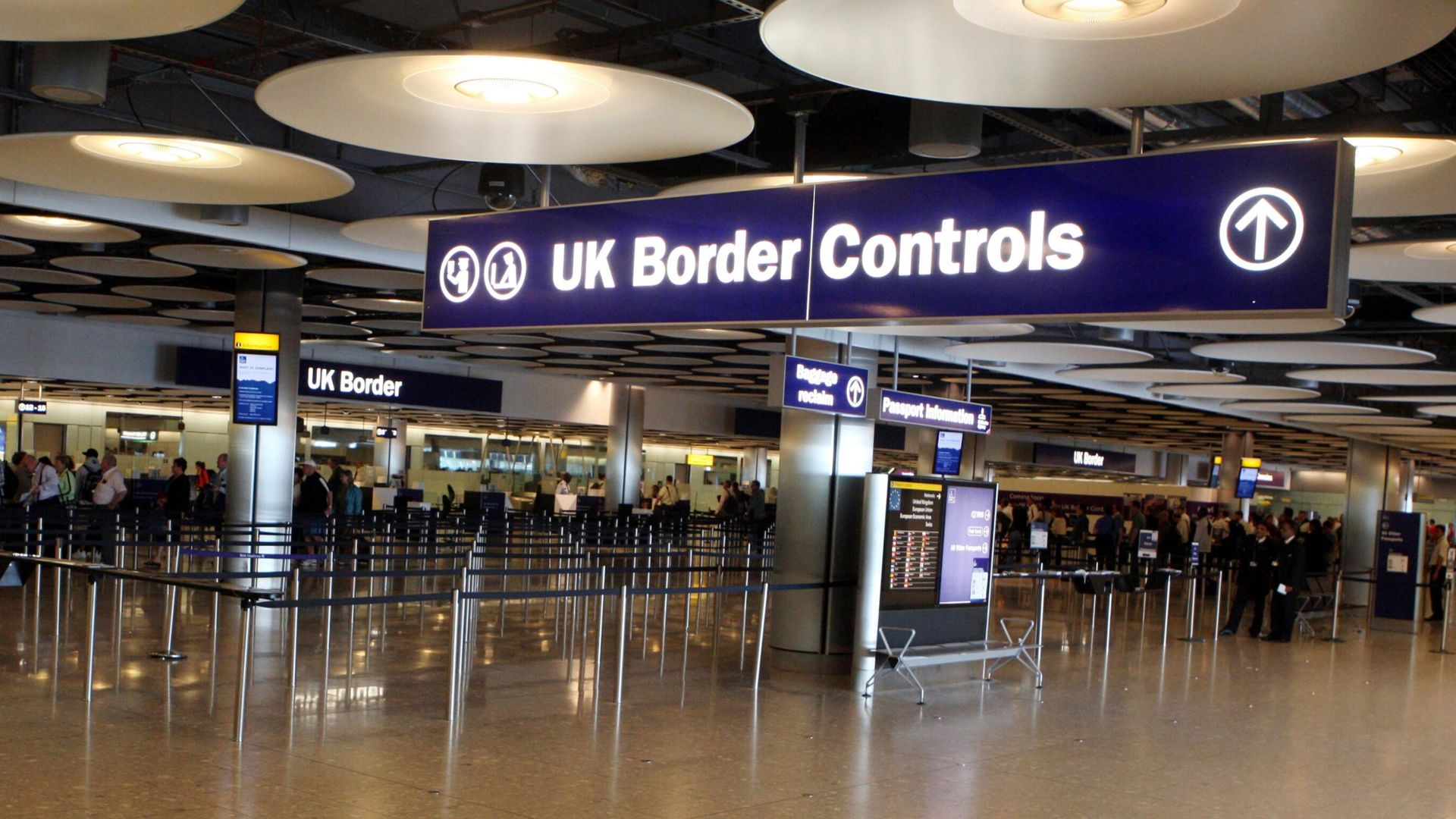
The UK Home Office has announced a major update to airport border controls: starting this summer, younger children will be allowed to use automated passport e-gates at airports across the country. This change aims to streamline the travel experience for families during the busy holiday season, reducing wait times and enhancing efficiency at immigration checkpoints.
What Has Changed for Younger Travellers?
Previously, passport e-gates in the UK were restricted primarily to adult passengers and older children meeting specific age and height criteria. As a result, families with younger children often had to queue for manual passport checks, which could slow down the process considerably, especially during peak travel periods.
The Home Office’s new policy expands eligibility, permitting younger children to pass through automated e-gates alongside adults. This inclusion means children who meet the updated criteria will no longer need to wait in separate, often longer, queues for manual inspections.
By enabling younger travellers to use e-gates, UK airports expect to ease congestion at border control points. This initiative reflects the government’s commitment to modernize border security while accommodating the needs of diverse passenger groups, including families.
Why This Update Matters for Families and Airport Operations
For families travelling during the summer holidays, this change could significantly improve the airport experience. Long waits at passport control are a common source of stress, particularly when travelling with young children. Allowing younger children to use e-gates promises a smoother, faster entry process, helping families navigate busy terminals with less hassle.
From an operational standpoint, the expanded access to e-gates supports airports in managing increased passenger volumes typical of peak travel seasons. Automated processing reduces the burden on border staff and minimizes bottlenecks, contributing to overall airport efficiency and security.
The move also aligns with broader trends in border technology adoption worldwide. Many countries are leveraging automated systems to enhance security protocols while facilitating quicker passenger throughput. The UK’s decision to include younger children in e-gate use positions it at the forefront of these advancements.
What This Means for Future Travel and Border Procedures
As automated systems become more integrated into border control, travellers can expect further innovations aimed at convenience and security. The inclusion of younger children in e-gate eligibility marks a significant step toward more inclusive and user-friendly airport processes.
Travelers should prepare by ensuring their passports are compatible with e-gate technology, which typically requires biometric chips. Parents planning trips with young children should check updated guidelines from the Home Office and their airline to understand the specific eligibility criteria and any documentation needed.
Looking ahead, this policy may pave the way for additional enhancements, such as broader biometric identification options and improved international cooperation on passenger data sharing. These developments aim to balance stringent security with the fluidity demanded by global travel.
Takeaway
The Home Office’s decision to allow younger children to use passport e-gates represents a significant modernization of UK border control, reflecting a commitment to improving travel efficiency for families. By adopting this change during the peak summer holiday season, UK airports are poised to offer a smoother, faster, and less stressful arrival and departure experience for millions of passengers. This update not only benefits families but also supports the broader goal of optimizing airport operations and security through technological innovation.