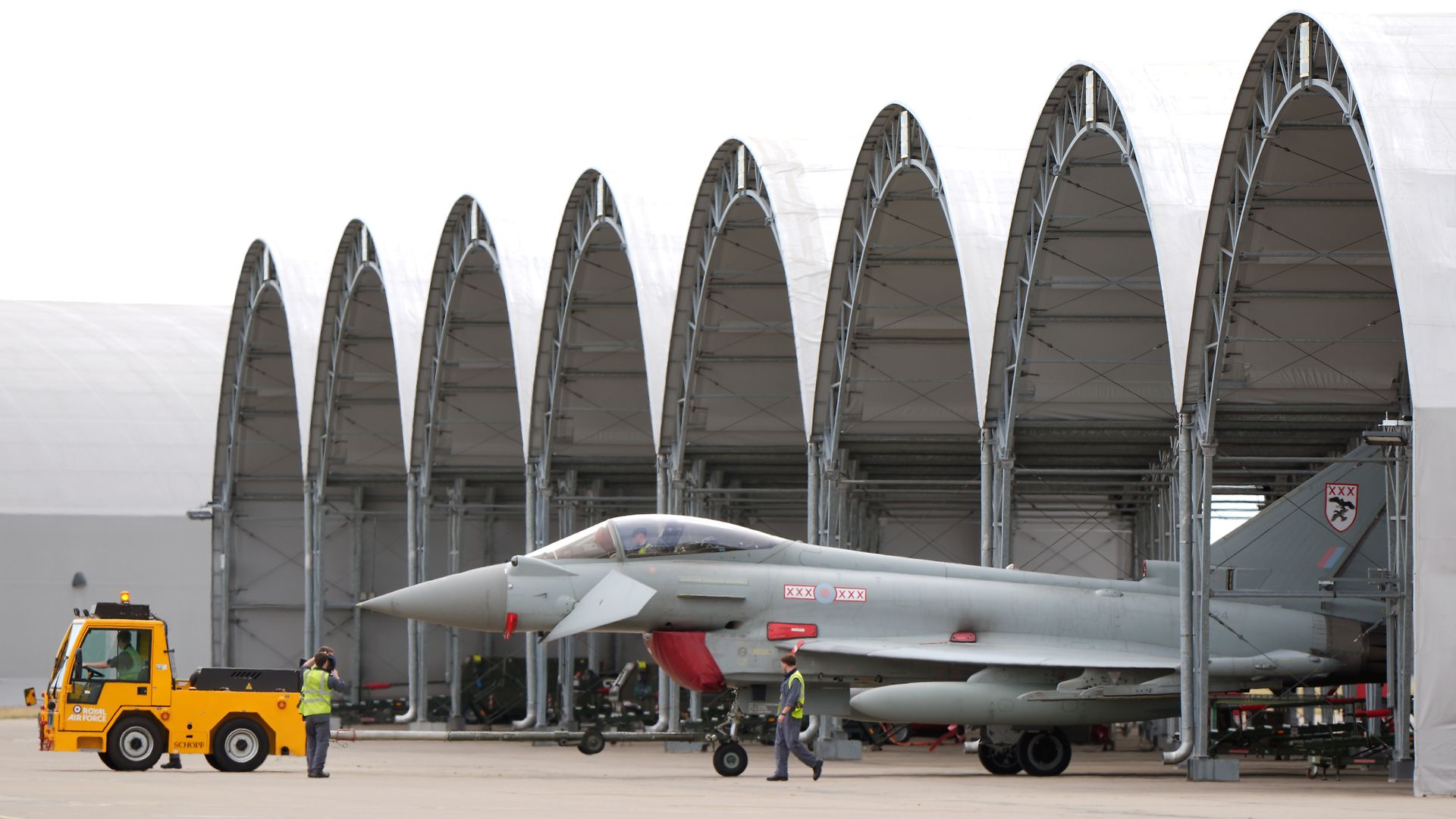
The Royal Air Force (RAF) has initiated a strategic move to shelter its aircraft in hangars and fortified shelters overnight, responding proactively to escalating threats posed by unmanned aerial vehicles (UAVs), commonly known as drones. This precautionary measure highlights growing security challenges faced by military aviation units worldwide as drone technology becomes increasingly accessible and sophisticated.
Heightened Drone Threats Prompt RAF’s Protective Shift
Over recent years, the military sector has witnessed a surge in drone activity, ranging from surveillance to potentially hostile operations. These drones can interfere with aircraft, disrupt operations, or even carry out attacks. The RAF’s decision to relocate its fleet into protected environments at night underscores the urgency with which armed forces are addressing new vulnerabilities.
The use of hardened shelters and hangars offers physical barriers that significantly reduce the risk of damage or interference by drones, which are often difficult to detect and neutralize due to their small size and low radar signature. By housing aircraft inside these secure facilities after operational hours, the RAF minimizes exposure and strengthens defense against unexpected incursions.
Understanding the Implications for RAF Operations and Security
This shift in operational protocol has far-reaching implications for how the RAF manages its resources and security. Traditionally, some aircraft have remained outdoors during the night, but increasing drone threats have forced a reevaluation of these practices. Protecting aircraft is critical not only to preserving expensive and technologically advanced assets but also to maintaining readiness and operational capability.
Furthermore, this change reflects a broader trend within the defense community to counter emerging asymmetric threats. Drones, often used by non-state actors or adversaries, represent a new frontier in military defense challenges. The RAF’s approach demonstrates adaptability and foresight, signaling to both allies and potential aggressors that it is actively mitigating modern risks.
What This Means for Future Military Aviation Security
The RAF’s move to shelter aircraft at night is part of a larger narrative about the evolving landscape of military security. As drone technology advances and becomes more accessible, armed forces must continuously innovate protective measures. This includes investing in detection systems, electronic countermeasures, and physical infrastructure enhancements.
By prioritizing the safety of its aircraft, the RAF not only safeguards its assets but also ensures operational continuity. This proactive stance may inspire similar measures across other branches of the UK military and allied forces. It also highlights the necessity of integrating drone threat awareness into all levels of military planning and protocol.
While specific details about the scope and scale of this protective relocation have not been publicly disclosed, the strategic intent is clear: to mitigate risks and maintain airpower effectiveness in an increasingly complex threat environment.
Looking Ahead: Strengthening Defense Against Drone Threats
As the RAF adapts to counter drone risks, the future will likely see enhanced collaboration between technology developers, defense strategists, and intelligence agencies. Innovations in drone detection, interception, and neutralization will become critical components of national security.
For the RAF, safeguarding its aircraft at night represents just one facet of a comprehensive strategy to stay ahead of evolving threats. This ongoing commitment to security ensures that the UK’s air capabilities remain robust and ready to respond to any challenge.
In an era where the battlefield extends beyond traditional borders to the skies above and cyberspace, the RAF’s protective measures underscore the importance of vigilance, adaptation, and resilience in military operations.