Chaos erupted on Lake Chad as the Chadian air force conducted aggressive aerial operations against Boko Haram militants, sparking panic among local fishermen and insurgents alike. The sudden presence of military aircraft overhead forced many to flee in fear, leaving a number of fishermen missing and raising serious concerns about civilian casualties in the volatile border region.
What Happened During the Chad Air Strikes?
On Friday, as Chadian fighter jets circled above Lake Chad, fishermen found themselves caught in the crossfire of a renewed offensive against Boko Haram insurgents. The militants, who have long exploited the lake’s vast waterways for transit and control, were targeted by precision air strikes aimed at dismantling their strongholds. However, the strikes also disrupted local communities that depend on the lake for their livelihood.
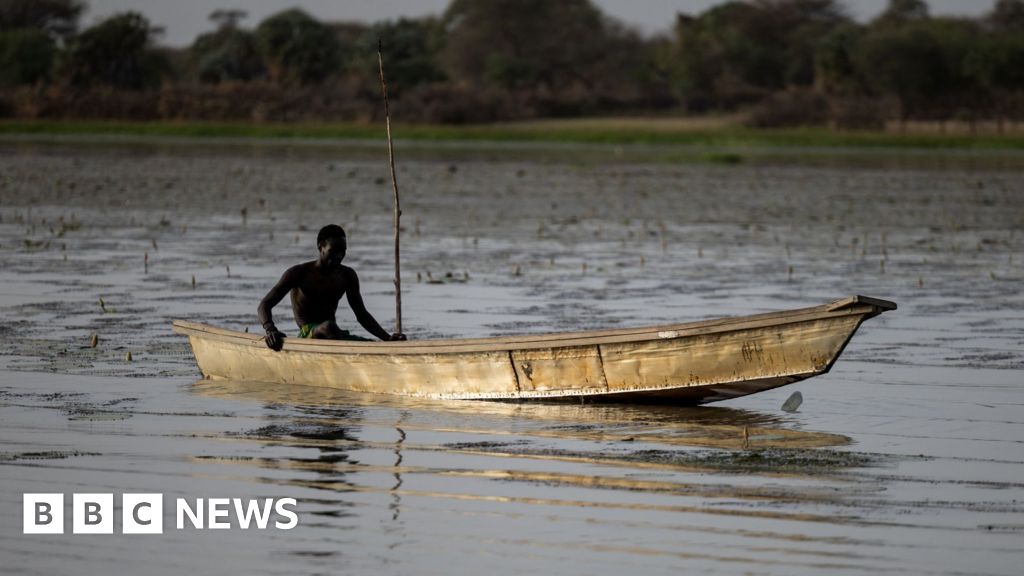
Usman, a local community leader, explained that the search operations for missing fishermen have faced significant challenges. Many parts of Lake Chad are deep and difficult to navigate, complicating rescue efforts. Additionally, access to canoes is limited because Boko Haram controls most of the boats, using them to transport fishermen to fishing sites and markets while imposing taxes on their activities.
“Boko Haram controls access to the fishing grounds, transporting fishermen to and from the fish market to the fishing site. Boko Haram collects taxes from these fishermen,” Usman stated, highlighting the militant group’s stranglehold on the local economy and community movement.
The Rising Tide of Violence in the Lake Chad Region
The area surrounding Lake Chad has witnessed a surge in militant attacks, kidnappings, and raids on villages. Both Nigerian and Chadian security forces have intensified their military responses in an effort to curb Boko Haram’s influence. Unfortunately, these operations have sometimes resulted in unintended civilian casualties, further complicating peace efforts.
In October 2024, the Chadian air force came under scrutiny after air strikes on Tilma Island reportedly killed dozens of Nigerian fishermen. Authorities claimed these strikes targeted Boko Haram positions, but the loss of innocent lives sparked outrage among local communities and human rights observers.
Nigeria’s military has faced similar accusations. While the armed forces insist that civilian deaths are collateral damage rather than deliberate attacks, such incidents erode trust between security agencies and the populations they aim to protect. In fact, just days ago, the Nigerian military refuted media claims of civilian casualties following air strikes in central Niger state. Military spokesperson Maj Gen Michael Onoja affirmed that operations were “executed based on credible, actionable intelligence,” emphasizing the challenges of conducting precise military campaigns in complex environments.
Why This Matters: The Human Cost and Security Implications
The ongoing conflict around Lake Chad underscores the fragile balance between counterterrorism efforts and civilian safety. For local fishermen, the lake is not just a source of income but a lifeline for their families and communities. Boko Haram’s control of fishing boats and tax collection traps fishermen in a dangerous limbo, forced to navigate between militant influence and military operations.
These air strikes signal a continued escalation of military tactics aimed at dismantling insurgent networks. Yet, the recurring reports of missing fishermen and alleged civilian casualties raise critical questions about the effectiveness and humanitarian impact of these campaigns.
Moreover, the limited resources available to local communities—such as access to safe boats and rescue capabilities—exacerbate the risks for those living in this conflict-prone region. Without improved coordination between military forces and humanitarian agencies, the cycle of violence and suffering is likely to persist.
Looking Ahead: Balancing Security and Civilian Protection
As Chadian and Nigerian forces continue their offensive against Boko Haram, ensuring the protection of innocent civilians remains paramount. This means enhancing intelligence accuracy, improving search and rescue operations, and fostering greater cooperation with local communities to mitigate harm.
The fate of the missing fishermen on Lake Chad remains uncertain, symbolizing the broader human toll of the conflict. Addressing these challenges requires not only military resolve but also sustained efforts to rebuild trust and provide alternative livelihoods for those trapped in the crossfire.
Ultimately, the security of the Lake Chad region hinges on a comprehensive approach that prioritizes both effective counterterrorism and the safeguarding of vulnerable populations who depend on the lake for survival.