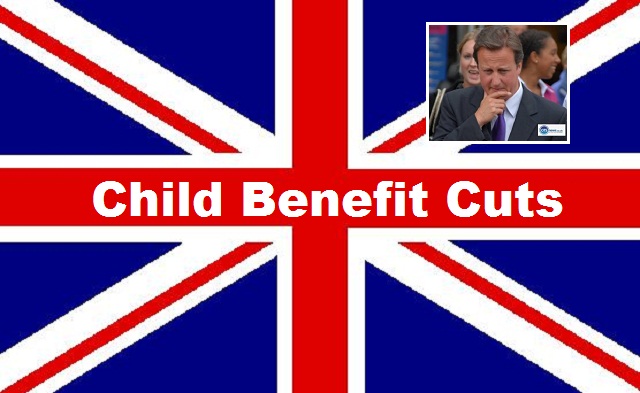
Prime Minister David Cameron has taken a firm stance on the controversial cuts to child benefit, asserting that the new policy is both fair and necessary for the country’s financial health. The reforms, which target households where an individual earns more than £50,000 annually, mark a significant shift in how child benefit is distributed across the UK.
What the Child Benefit Changes Entail
As of midnight on the day of the announcement, families with a higher earner will see a reduction or complete loss of child benefit payments. This adjustment primarily affects those with an income exceeding the £50,000 threshold, meaning that households with earners above this level will no longer automatically qualify for the benefit in full.
Mr Cameron emphasized that the rationale behind this policy is grounded in fairness. He explained, “I think people see it as fundamentally fair that if there is someone in the household earning over £60,000 you don’t get child benefit.” This perspective reflects a broader government effort to target social welfare spending more effectively by prioritizing those with lower incomes.
The Prime Minister also highlighted the financial implications of the reform. By introducing these cuts, the government aims to raise approximately £2 billion annually. This revenue is crucial for balancing the nation’s budget and funding other essential services. Cameron warned that failing to secure this funding from child benefit adjustments would force the government to find alternative sources, potentially making other groups worse off.
__IMAGE_PLACEHOLDER_1__
Coalition Government’s Agenda: Full Steam Ahead
David Cameron used the announcement as a platform to reaffirm the coalition government’s commitment to its broader policy agenda. Speaking ahead of a mid-term review with Deputy Prime Minister Nick Clegg, Cameron described the government’s position as “full steam ahead,” signaling no intention to slow down or shift priorities.
The mid-term review, scheduled for release shortly after the announcement, will detail the coalition’s progress since taking office in 2010 and outline key priorities for the remainder of their term. Cameron conveyed confidence that despite the challenges faced, the government remains energized and focused on delivering significant reforms.
He outlined several major policy areas set to define the coalition’s agenda moving forward. This includes infrastructure development, particularly improving Britain’s road networks, which Cameron identified as essential for maintaining economic momentum. Additionally, the government plans to address the growing demands of elderly care financing and reforming the pension system to better encourage saving among citizens.
In an interview, Cameron also dispelled rumors about his political future. When questioned about stepping aside, he firmly stated his intention to lead the Conservative Party into the next election, seeking a majority government and continuing as Prime Minister for the full term. His determination signals stability and continuity in leadership during a period of significant policy changes.
__IMAGE_PLACEHOLDER_2__
Why These Changes Matter
The adjustments to child benefit represent more than just a budgetary decision; they reflect a shift in the government’s approach to social welfare and fiscal responsibility. By targeting benefits based on income, the coalition aims to prioritize resources for families most in need, while reducing expenditure on those perceived to have a greater financial capacity.
This policy signals a broader trend in UK politics towards means-testing benefits and tightening public spending in the wake of economic pressures following the global financial crisis. It also highlights ongoing debates about the role of government support in addressing inequality and promoting economic growth.
For families earning above £50,000, the changes mean a direct loss of financial support previously relied upon to offset child-related expenses. This has sparked discussions about the balance between fairness and support, especially among middle-income earners who feel squeezed by rising living costs.
On the other hand, the government argues that redirecting funds from higher earners to other pressing social needs can help stabilize public finances and invest in crucial sectors like infrastructure and elderly care. The anticipated £2 billion in savings is a significant contribution to the coalition’s broader fiscal strategy.
__IMAGE_PLACEHOLDER_3__
Looking Ahead: The Road Forward
As the coalition government moves forward with this and other reforms, the focus will remain on managing the country’s economic recovery while ensuring social welfare policies are sustainable and equitable. David Cameron’s commitment to leading the Conservatives into the next election underscores the political weight of these changes.
The child benefit cuts serve as a litmus test for the government’s ability to implement difficult decisions and navigate public opinion. How these reforms affect families in practice, and how the government balances competing priorities such as infrastructure investment and social care, will shape political discourse in the years to come.
Ultimately, this policy change highlights the complex challenge facing modern governments: balancing fiscal responsibility with social equity in a rapidly changing economic landscape. The coalition’s insistence on moving “full steam ahead” suggests that more reforms could be on the horizon as they strive to equip Britain for the challenges of the next decade.