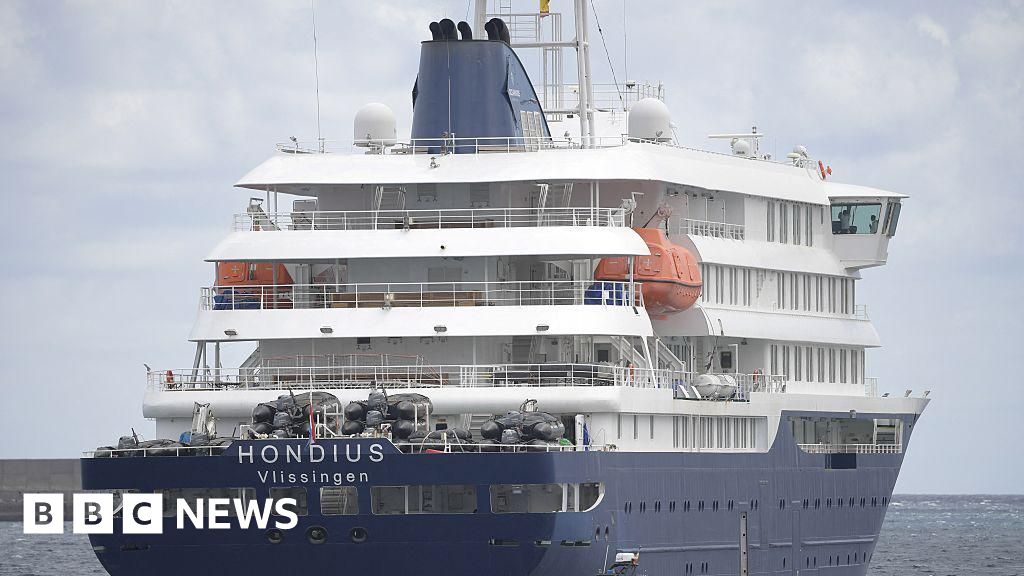
The recent hantavirus outbreak aboard the MV Hondius cruise ship has triggered a multinational health response, with passengers from the United States, Canada, and the United Kingdom now under close medical observation. This rare but serious virus has caused fatalities and prompted authorities to impose strict quarantine and isolation measures to prevent further spread.
What Happened on the MV Hondius?
The MV Hondius, a cruise ship carrying international passengers, became the center of a hantavirus scare after several individuals fell ill during the voyage. So far, three deaths have been linked to the outbreak, with the World Health Organization confirming hantavirus as the cause in two cases. The virus, which is transmitted primarily through contact with rodent droppings and urine, is known for its severe respiratory symptoms and can be fatal without prompt treatment.
Among those infected are passengers and crew from various countries, including the United States, Canada, and the United Kingdom. In addition to the confirmed cases, several individuals remain under observation as a precaution due to potential exposure during the cruise.
International Response and Passenger Monitoring
United States: California health authorities reported on Monday that two Californians who were aboard the cruise ship are currently being monitored in Nebraska. These individuals have not exhibited any symptoms so far. Additionally, two other Californians who were on the cruise have returned to the state and are symptom-free. Importantly, there have been no confirmed hantavirus cases reported within California itself.
Canada: Of the six Canadian passengers on the MV Hondius, four have returned safely to British Columbia after boarding a chartered flight from Tenerife. These individuals hail from British Columbia and the Yukon territories. Although they show no signs of illness, they are following strict self-isolation protocols for at least 21 days to mitigate any risk of transmission. The Public Health Agency of Canada has indicated that this isolation period could extend to 42 days, aligning with the hantavirus’s incubation period, which can vary significantly before symptoms appear.
Meanwhile, two other Canadian passengers—a couple residing in Ontario—are self-isolating at home. Ontario’s Health Minister, Sylvia Jones, confirmed on Monday that both individuals remain asymptomatic.
Global Impact and Current Status of Cases
The hantavirus outbreak aboard the MV Hondius has also affected British nationals. Two British citizens with confirmed hantavirus infections are receiving medical treatment in the Netherlands and South Africa. Meanwhile, a British-American dual national is among those quarantined in Nebraska, undergoing monitoring alongside the American passengers.
The presence of confirmed hantavirus cases across multiple continents underscores the challenges of managing infectious diseases in global travel settings. Cruise ships, with their enclosed environments and diverse passenger populations, can be hotspots for rapid disease transmission, necessitating swift international cooperation and response.
Why This Matters
Hantavirus pulmonary syndrome (HPS) is a rare but potentially fatal illness. Early symptoms often resemble those of the flu, including fever, muscle aches, and fatigue, but can quickly escalate to severe respiratory distress. Because hantavirus is transmitted through exposure to rodent excreta, outbreaks linked to travel are uncommon but demand urgent attention when they occur.
This outbreak highlights the critical importance of vigilant health monitoring and rapid response protocols aboard cruise ships and in international travel hubs. The coordinated efforts by health authorities in the US, Canada, the UK, and other countries demonstrate how global health threats require thorough communication, quarantine measures, and public awareness to prevent wider transmission.
Passengers exposed to potential hantavirus infection must adhere to recommended isolation periods and report any symptoms immediately to healthcare providers. Authorities continue to investigate the source of the outbreak aboard the MV Hondius to prevent future incidents.
Looking Ahead
The hantavirus outbreak on the MV Hondius serves as a potent reminder of the vulnerabilities associated with global travel and the need for heightened infectious disease preparedness. While current cases are contained and under medical supervision, health officials worldwide remain alert to the possibility of further infections.
Ongoing monitoring and transparent reporting will be crucial as affected passengers complete their isolation periods. Meanwhile, public health agencies emphasize that there is no evidence of widespread community transmission at this time.
As this situation develops, travelers and healthcare providers alike should stay informed about hantavirus risks and symptoms, ensuring rapid detection and treatment to minimize the impact of this rare but serious virus.