Keir Starmer’s day unraveled rapidly, exposing deep fractures within the Labour Party. What began with a determined speech aimed at quashing rumours of a leadership challenge quickly spiraled into a public display of internal discord. By midday, Angela Rayner, the party’s deputy leader, was openly calling for Andy Burnham’s return amid growing unrest. As the afternoon unfolded, an increasing number of MPs voiced calls for Starmer’s resignation, yet no formal leadership challenge has emerged. What is driving this chaos inside Labour, and what does it mean for the party’s future?

The Morning: Starmer’s Attempt to Reassert Control
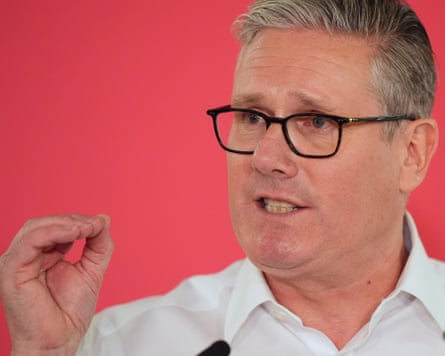
Keir Starmer began the day with a firm address targeting Labour MPs, urging unity and warning against any attempts to destabilize his leadership. His message was clear: resist factionalism and focus on rebuilding the party’s electoral prospects. Starmer’s speech sought to quell simmering tensions following Labour’s disappointing performance in recent elections and internal criticisms of his strategic direction.

Despite Starmer’s efforts to rally his colleagues, the undercurrents of frustration were palpable. Many within Labour remain unconvinced about Starmer’s leadership style and his ability to reconnect with the party’s traditional grassroots base. The speech, though intended to unify, instead exposed the widening gap between the leadership and some factions within the parliamentary party.


Midday Disruption: Rayner’s Unexpected Call for Andy Burnham
The situation took a dramatic turn at the Communication Workers Union (CWU) conference, where Angela Rayner delivered a speech that surprised many observers. Instead of reaffirming loyalty to Starmer, Rayner publicly called for the return of Andy Burnham, the former Labour mayor of Greater Manchester and a prominent figure representing a more left-leaning faction of the party.

This endorsement signified a stark challenge to Starmer’s control and suggested that influential members of Labour’s leadership team are at odds over the party’s direction. Rayner’s intervention emboldened critics who argue that Starmer lacks the charisma and political acumen necessary to lead Labour back to power.

Afternoon: Rising Calls for Resignation Amid Growing Discontent
As the day progressed, the list of Labour MPs publicly calling for Starmer to step down increased steadily. The discontent stems from multiple sources: dissatisfaction with electoral performance, disagreements over policy priorities, and frustrations with Starmer’s perceived inability to unite the various wings of the party.

Despite the growing chorus, no official leadership challenge has yet materialised. This hesitation reflects the complex power dynamics within Labour, where no clear alternative leader has consolidated enough support to launch a credible bid. The party appears trapped in a limbo, with mounting pressure but no immediate resolution.

Why Is Labour So Divided Over Starmer?
The current turmoil reveals deeper issues within Labour’s structure and identity. Since taking over leadership, Starmer has aimed to reposition Labour towards the political centre, distancing the party from the more left-wing policies championed under Jeremy Corbyn. This strategic shift has alienated parts of the membership and some MPs who feel the party risks losing its core supporters.

Moreover, Labour struggles with internal factions that reflect broader ideological divides. Figures like Andy Burnham symbolize the traditional Labour base and grassroots activism, while Starmer represents a more moderate, pragmatic approach. The tension between these visions complicates efforts to present a united front.

What This Means for Labour’s Future
The unfolding crisis places Starmer’s leadership under a spotlight at a critical moment. With general elections on the horizon, Labour’s ability to present a coherent, unified message is vital. Continued infighting risks undermining public confidence and handing advantage to the ruling Conservative Party.
For Labour to regain momentum, it must reconcile internal divisions and clarify its policy platform. Whether Starmer can adapt his leadership style and build bridges with dissenting factions remains uncertain. The party’s next steps will determine not only its electoral prospects but also its identity in a rapidly changing political landscape.

Ultimately, Labour’s current mess underscores the challenges of managing a broad-based political party in an era of deep ideological polarization. Starmer’s leadership is on trial, with the outcome carrying significant implications for British politics.