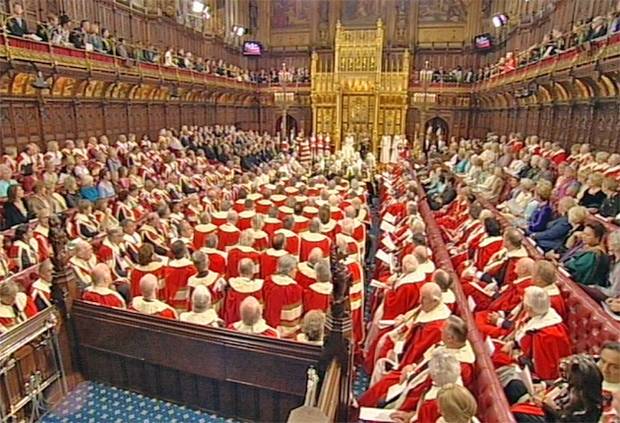
David Cameron has issued a powerful call to arms for Conservative MPs to unite behind the proposed reform of the House of Lords as a draft Bill outlining sweeping changes to the upper chamber of Parliament was published. The Prime Minister emphasized that the time has come to break the longstanding deadlock and push forward with modernizing one of Britain’s oldest institutions, despite rising dissent within his own party ranks.
The Push for Lords Reform: What’s at Stake
For over a century, reform of the House of Lords has been a topic of national debate, yet concrete progress has remained elusive. The recently published draft Bill, driven chiefly by Deputy Prime Minister Nick Clegg, represents the most significant attempt in decades to overhaul the unelected second chamber. The proposed legislation would transition the House of Lords from a predominantly hereditary and appointed body into a mostly elected institution, with 80% of its members chosen by the public through elections.
The Bill outlines a reduction in membership from the current 800 peers to a streamlined 450 members. This major cut aims to improve efficiency and public accountability. The reform plan also envisages the gradual introduction of elected members in three cohorts of 120, coinciding with the next three general elections, culminating in full implementation by 2025. Each elected peer would serve a single 15-year term, designed to balance continuity and democratic renewal.

In addition to structural changes, the Bill addresses remuneration for Lords members. In response to criticism, the government has abandoned earlier proposals to award a fixed salary of around £60,000 to peers. Instead, members would receive a daily attendance allowance of £300, capped at £45,000 per year, and this allowance would be subject to taxation, a marked departure from the current tax-free attendance payments. This adjustment aims to enhance transparency and public trust.
Political Dynamics and Party Divisions
Despite the clear blueprint laid out in the Bill, the path ahead is fraught with political contention. David Cameron has openly acknowledged the opposition simmering within the Conservative Party, with a notable faction of Tory MPs prepared to rebel against the proposals. At Prime Minister’s Questions, Cameron underscored the necessity of progress, stating that reform has been debated over 100 times without resolution and now demands decisive action.
Nick Clegg has been equally forthright in his appeal, urging politicians to overcome parliamentary inertia. Speaking on Sky News, Clegg emphasized the fundamental democratic principle underpinning the reform: those who legislate must be elected by the citizens who live under those laws. He framed the reform as a long-overdue modernization that the public expects and deserves.
However, Labour and Conservative rebels are mobilizing to challenge the government’s timetable for debating the Bill. The Opposition insists on extended debate time, fearing that rushed proceedings will undermine thorough scrutiny. Defeat on the timetable vote could derail the legislation entirely, potentially delaying reform efforts for years.
The government has responded with a firm stance, warning that MPs who refuse to support the Lords reform may face resignation or dismissal. A government spokesperson confirmed the use of party whips and hinted at invoking the Parliament Act if necessary to push the Bill through.
Voices of dissent are vocal within the Conservative ranks. Tory ministerial aide Conor Burns openly declared his willingness to sacrifice his position to ensure the reform debate receives full and proper consideration. Similarly, Conservative MP Jesse Norman has pledged to vote against the Bill and its legislative timetable, reflecting a broader unease about the scale and speed of the proposed changes.
Why Lords Reform Matters Now
The push to reform the House of Lords is not just a constitutional technicality; it strikes at the heart of British democracy and governance. The current House of Lords includes hereditary peers who inherit their seats by birthright, as well as life peers appointed through various political and non-political channels. Critics argue this system lacks legitimacy and accountability, undermining public confidence in Parliament.
Transforming the Lords into a largely elected chamber would align the upper house more closely with democratic principles and potentially restore faith in the legislative process. It also promises to create a more effective check on the House of Commons by providing a chamber with a fresh mandate from the electorate.
However, the controversy highlights the delicate balance between tradition and reform. Opponents worry about the potential politicization of the Lords, fearing it could become a mirror of the Commons rather than a revising chamber offering independent scrutiny.
The government’s insistence on moving quickly reflects a broader agenda to deliver constitutional modernization while the coalition government is in place. It also responds to public impatience with political stagnation on reform issues that have lingered for generations.
Looking Ahead: What Comes Next?
The Bill’s formal introduction to Parliament marks the beginning of a critical phase. The government plans to hold the opening debate and a key vote on the Bill’s timetable before Parliament breaks for the summer recess on July 17. The outcome of these events will determine whether the reform agenda advances or stalls in the face of opposition.
If the government succeeds in pushing the Bill through, it will embark on one of the most fundamental constitutional changes in recent British history. Conversely, if opponents manage to delay or defeat the timetable, the reform effort may be postponed indefinitely, prolonging questions about the legitimacy and function of the House of Lords.
Ultimately, the debate over Lords reform is a microcosm of the challenges facing British democracy: balancing respect for tradition with the need for modernization, ensuring accountability, and maintaining public trust in political institutions. The decisions made in the coming weeks will have lasting implications for the UK’s parliamentary system and its democratic future.