In a rare and alarming incident, a Sudanese man is believed to have traversed nearly the entire length of the Channel Tunnel on foot, highlighting ongoing security challenges at one of Europe’s most critical transport links.
What Happened Inside the Channel Tunnel
On the evening of Tuesday, August 4, Kent police apprehended a man inside the Channel Tunnel less than one kilometre from the Folkestone terminal. The man, identified as Abdul Rahman Haroun, a 40-year-old Sudanese national with no fixed address, was detected after walking through the tunnel from the French side. This means he likely covered almost the full 31-mile (50-kilometre) length of the tunnel on foot, an extraordinary and perilous journey given the tunnel’s infrastructure and strict security measures.
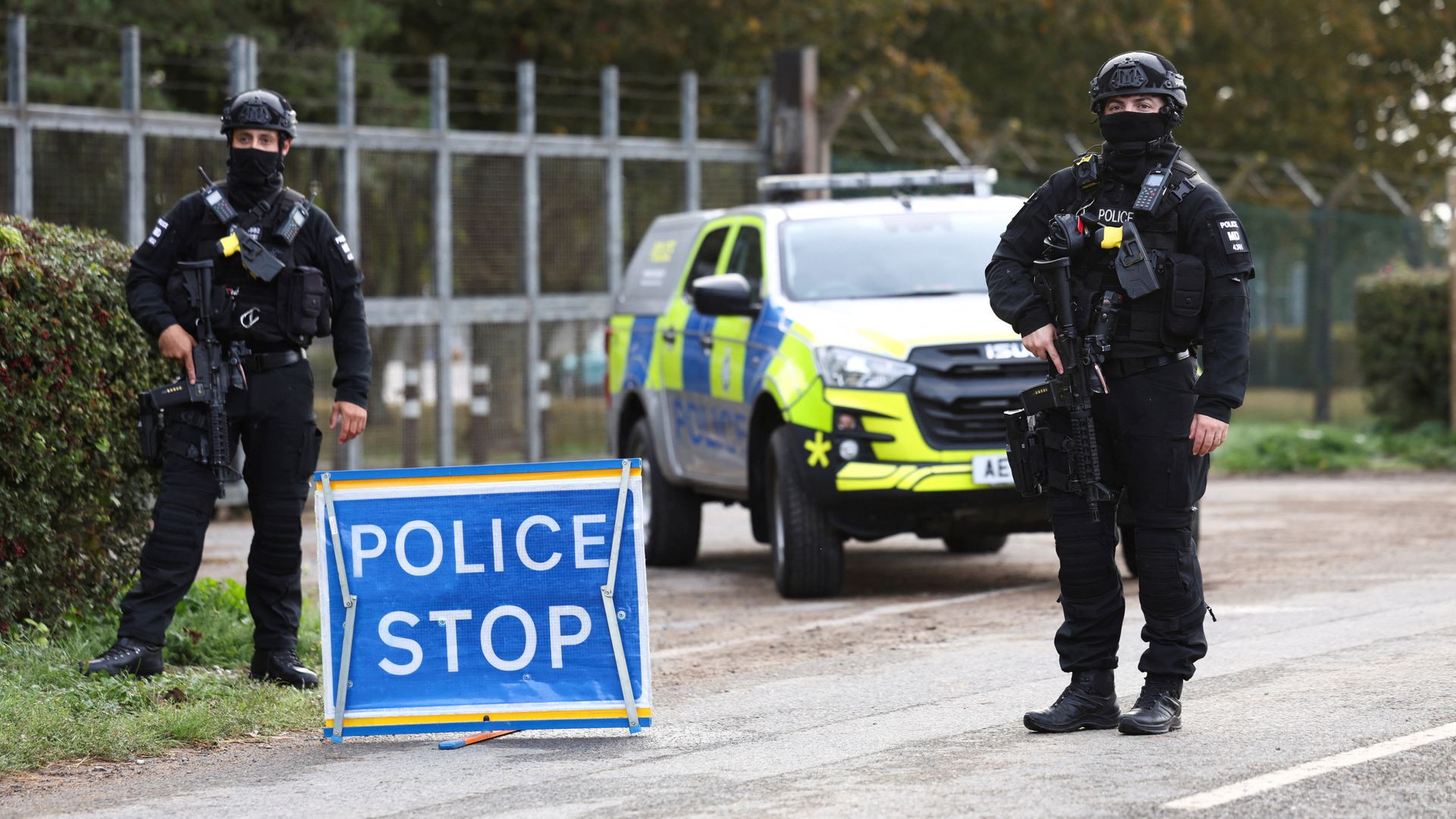
Eurotunnel’s sophisticated detection systems first registered an intrusion near the French entrance early Tuesday morning. In response, Eurotunnel immediately closed the French terminal and alerted law enforcement authorities. The Channel Tunnel police, alongside Kent police, then undertook a comprehensive and meticulous search to locate the individual inside the tunnel.
The search was complex and time-consuming, as safety remained paramount for all parties involved, the man himself, tunnel staff, and passengers. Eventually, officers intercepted Haroun inside one of the two main railway tunnels, not in the central service tunnel, which is generally used for maintenance and emergency access. Following his arrest, full tunnel operations resumed later that afternoon.
__IMAGE_PLACEHOLDER_1__
Legal and Security Implications
Following his apprehension, Haroun was charged under the Malicious Damage Act 1861 with causing an obstruction to an engine or carriage using the railway. This specific charge reflects the seriousness with which authorities treat any interference with the tunnel’s infrastructure, given the potential risks to train operations and passenger safety.
Haroun was scheduled to appear at Medway Magistrates’ Court on Thursday to face these charges. Meanwhile, the Home Office’s immigration enforcement officers launched a separate investigation focusing on the immigration aspects of the case, particularly since Haroun is understood to be an illegal immigrant.
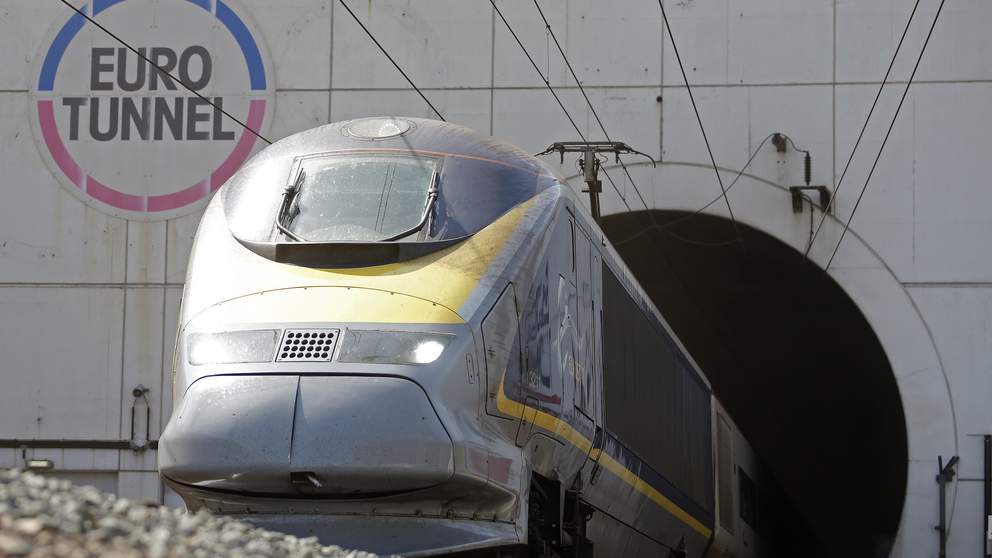
Eurotunnel representatives emphasized the rarity and gravity of such criminal intrusions. A spokesperson stated, “A criminal intrusion into the Channel Tunnel is an extremely rare incident. It is both illegal and highly dangerous. This person could have been seriously injured or killed.” The tunnel, which connects Folkestone in the United Kingdom to Coquelles near Calais in France, operates under tight security and safety protocols, precisely to prevent unauthorized access and protect the thousands of passengers and freight users who transit daily.
__IMAGE_PLACEHOLDER_2__
Why This Incident Matters
The Channel Tunnel is a vital artery for commerce and travel between the UK and continental Europe, facilitating the movement of millions of passengers and tons of freight each year. Its security is paramount not only for operational continuity but also for national border control and immigration enforcement. The fact that an individual managed to penetrate the tunnel’s defences and navigate such a long distance inside the tunnel on foot raises important questions about the effectiveness of current security measures and surveillance.
Eurotunnel has reiterated its commitment to robust security, emphasizing that any attempt to breach the tunnel poses significant risks to human life and infrastructure. The company also underscored that such actions undermine legal processes for asylum and immigration, stating, “Eurotunnel hopes that the full force of the law will be used to demonstrate that an attempt to enter the Channel Tunnel poses not only a significant risk of injury or death but also precludes any possibility of entering the UK to claim asylum or to find work.”
This incident sheds light on the broader challenges facing border security across Europe, where migrants and asylum seekers often attempt dangerous and illegal routes to reach their destinations. The Channel Tunnel, due to its unique nature and high-profile status, becomes a focal point for such attempts, necessitating continual vigilance and investment in detection and prevention technologies.
__IMAGE_PLACEHOLDER_3__
Looking Ahead: Strengthening Tunnel Security
In response to this breach, Eurotunnel has launched a full investigation to determine how the intrusion occurred and to identify any vulnerabilities that need addressing. The company’s advanced detection systems, while effective in this case for raising the alarm, will likely undergo further review and enhancement. Lessons learned from this event will be crucial in refining operational protocols and preventing future attempts.
Authorities and security experts will closely monitor developments from this case, balancing the need for open and efficient cross-border travel with the imperative of maintaining stringent security. This incident serves as a stark reminder of the continual threats posed by illegal attempts to cross borders and the importance of coordinated efforts between transport operators, law enforcement, and immigration officials.
Ultimately, the Channel Tunnel remains a symbol of European connectivity and cooperation, but also a frontline in the ongoing challenge of securing borders while respecting humanitarian concerns. The swift response to this incident demonstrates the high priority placed on safety and legal compliance, but it also signals the need for constant vigilance in an evolving security landscape.