Cabinet Ministers Face Intense Scrutiny Over Prime Minister Keir Starmer’s Leadership
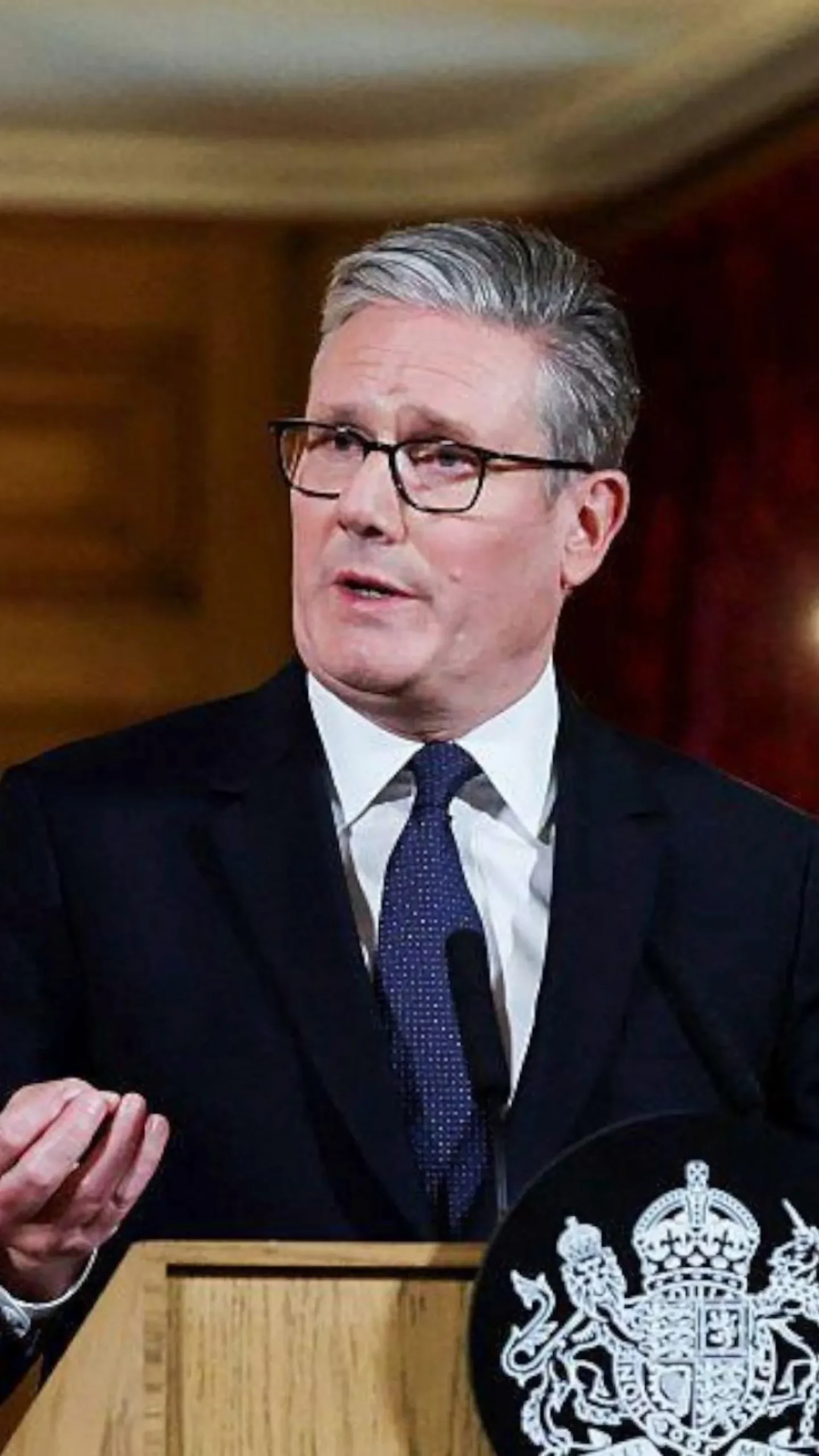
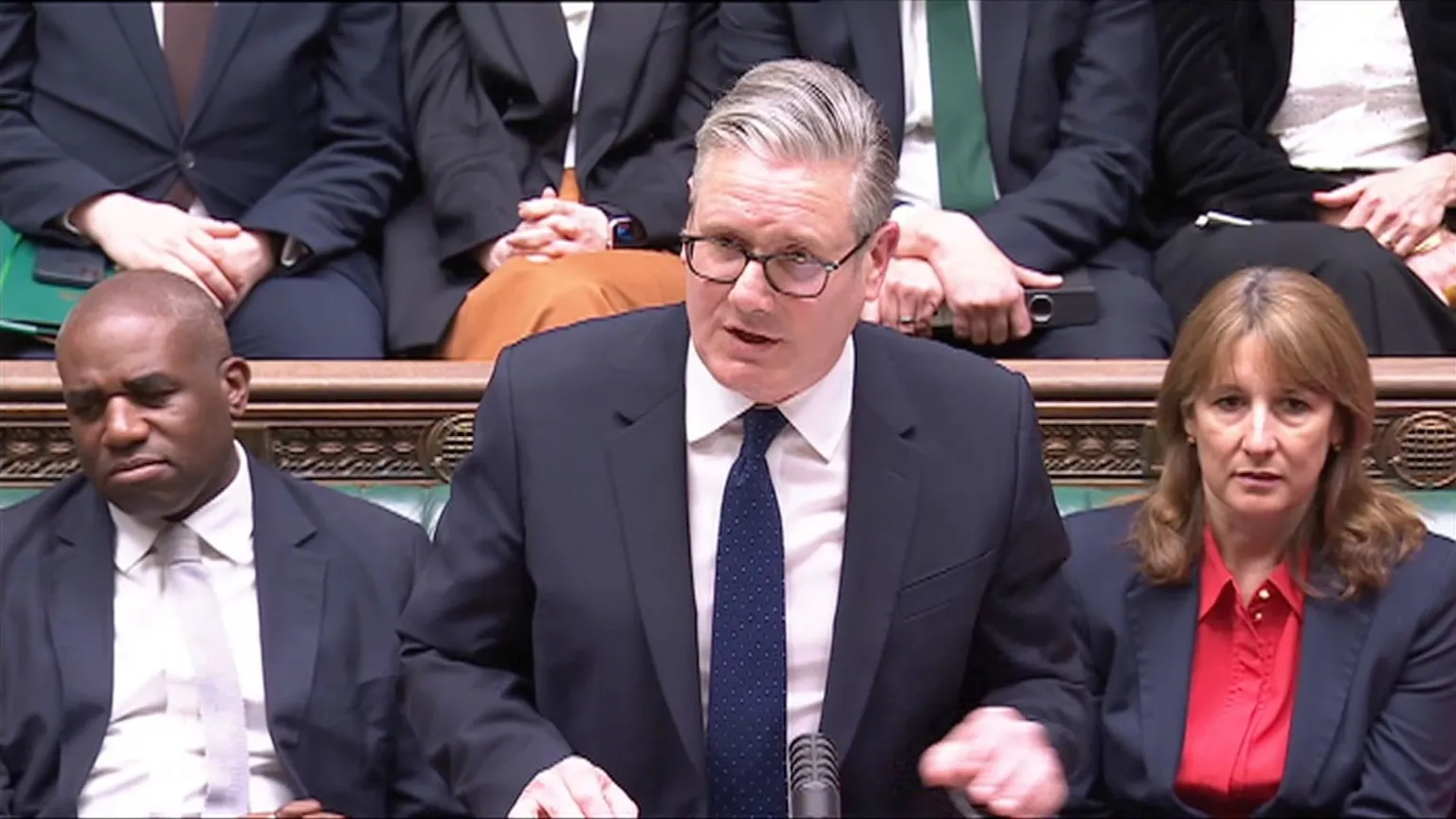
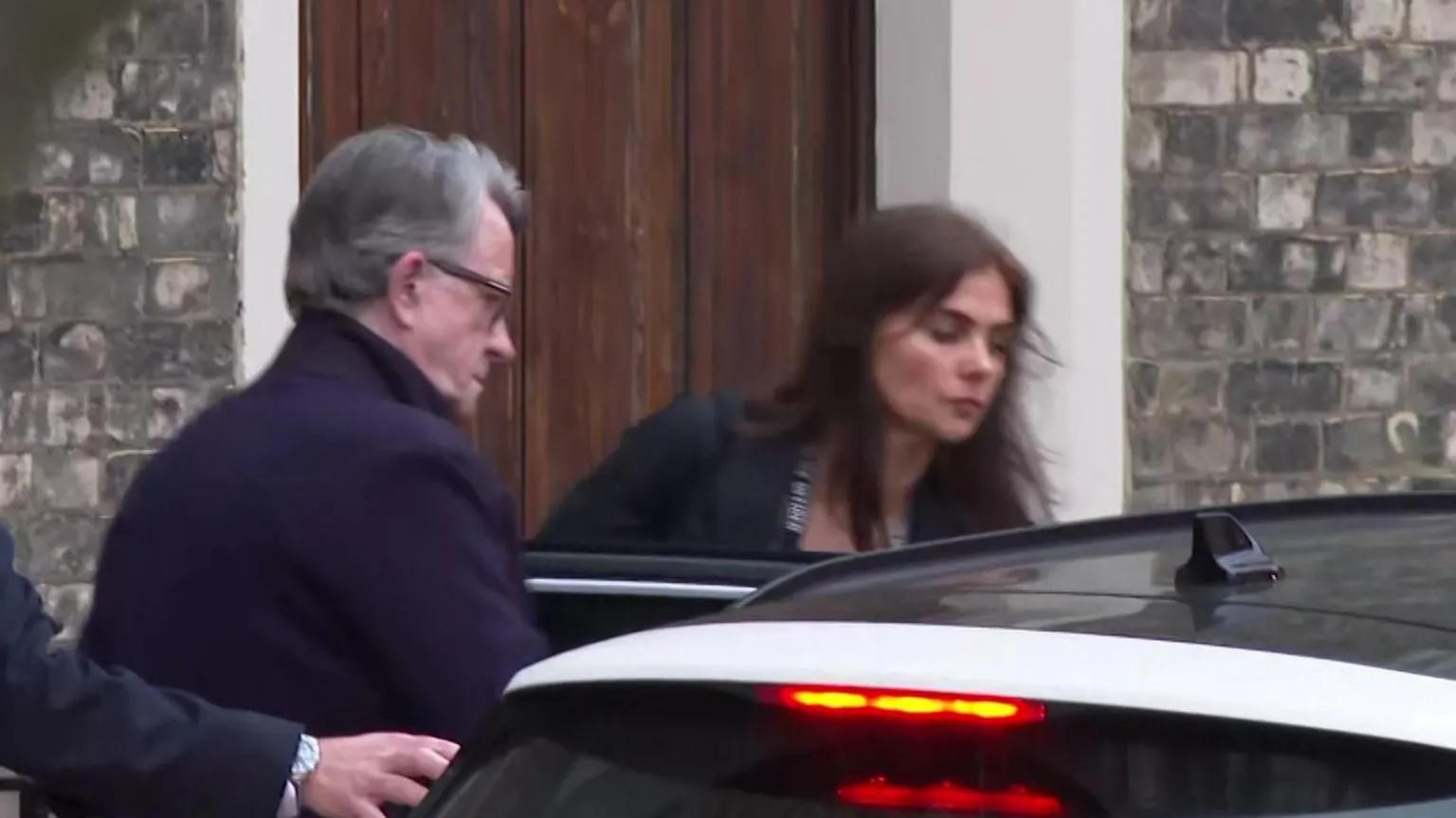
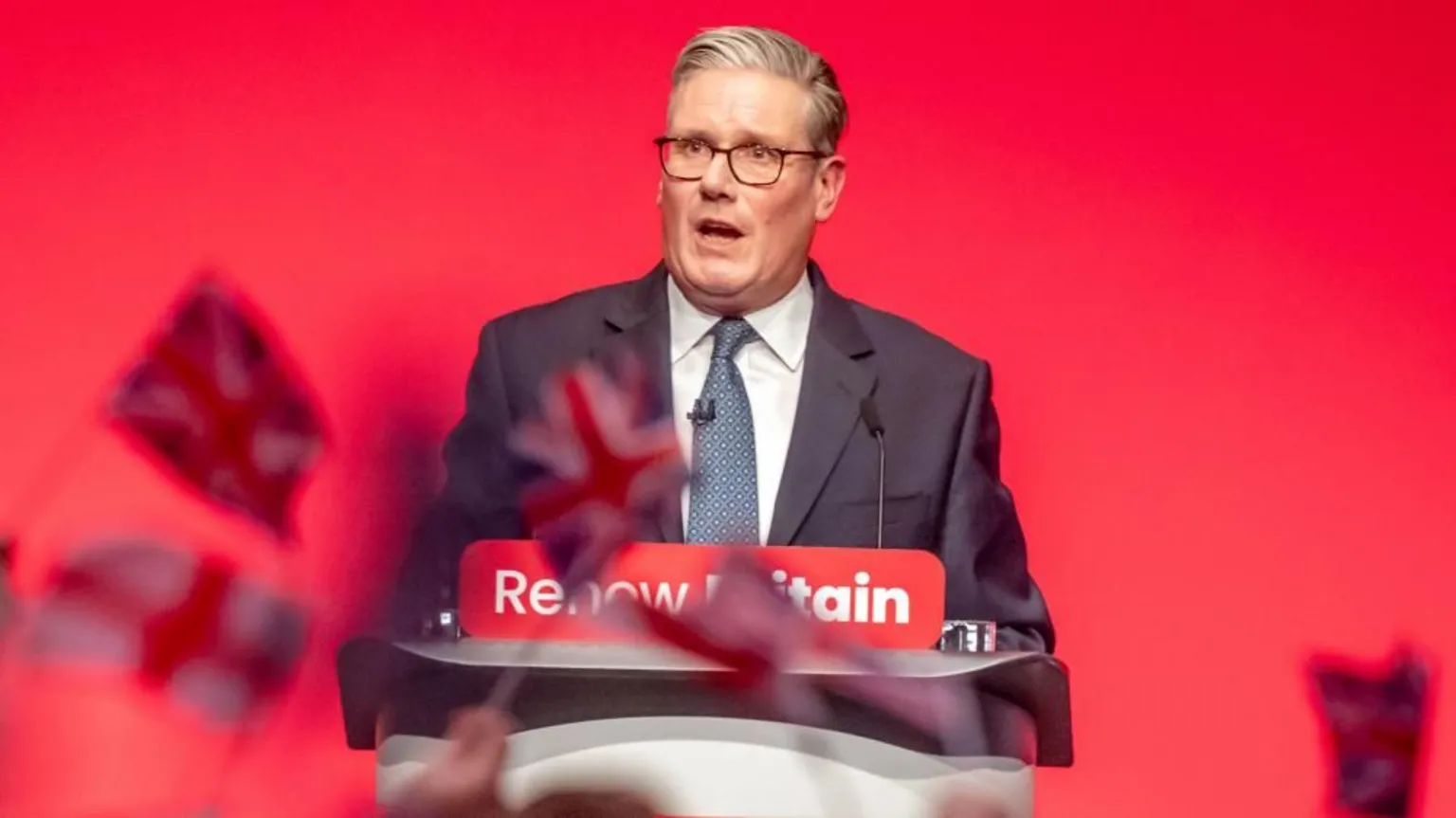
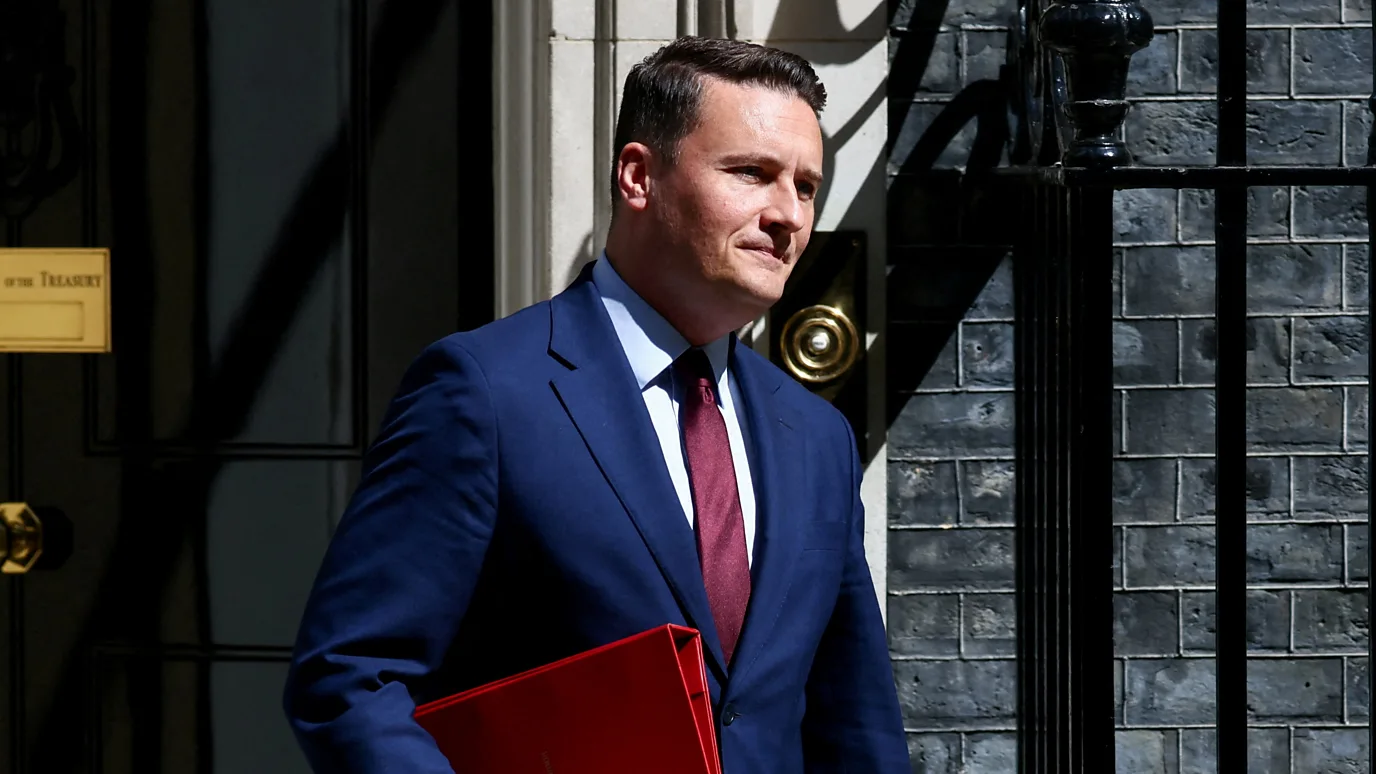
Government ministers emerged from **10 Downing Street** under an intense spotlight, confronted by persistent questions regarding the political future of **Prime Minister Keir Starmer**. The atmosphere outside the iconic building was charged with urgency and uncertainty, reflecting the mounting pressure on Starmer’s leadership from both within his party and the wider public. Following a particularly tense cabinet meeting, the air was thick with speculation about the stability and direction of the Labour leadership at a critical juncture.

This surge of questioning underscores the high stakes involved as ministers navigate internal party dynamics while attempting to maintain a cohesive front. Reporters relentlessly sought clarity on Starmer’s next steps, signaling broader concerns about the government’s ability to maintain unity and effectively govern amid rising dissent.

Health Secretary Wes Streeting’s Evasive Response Highlights Leadership Tensions
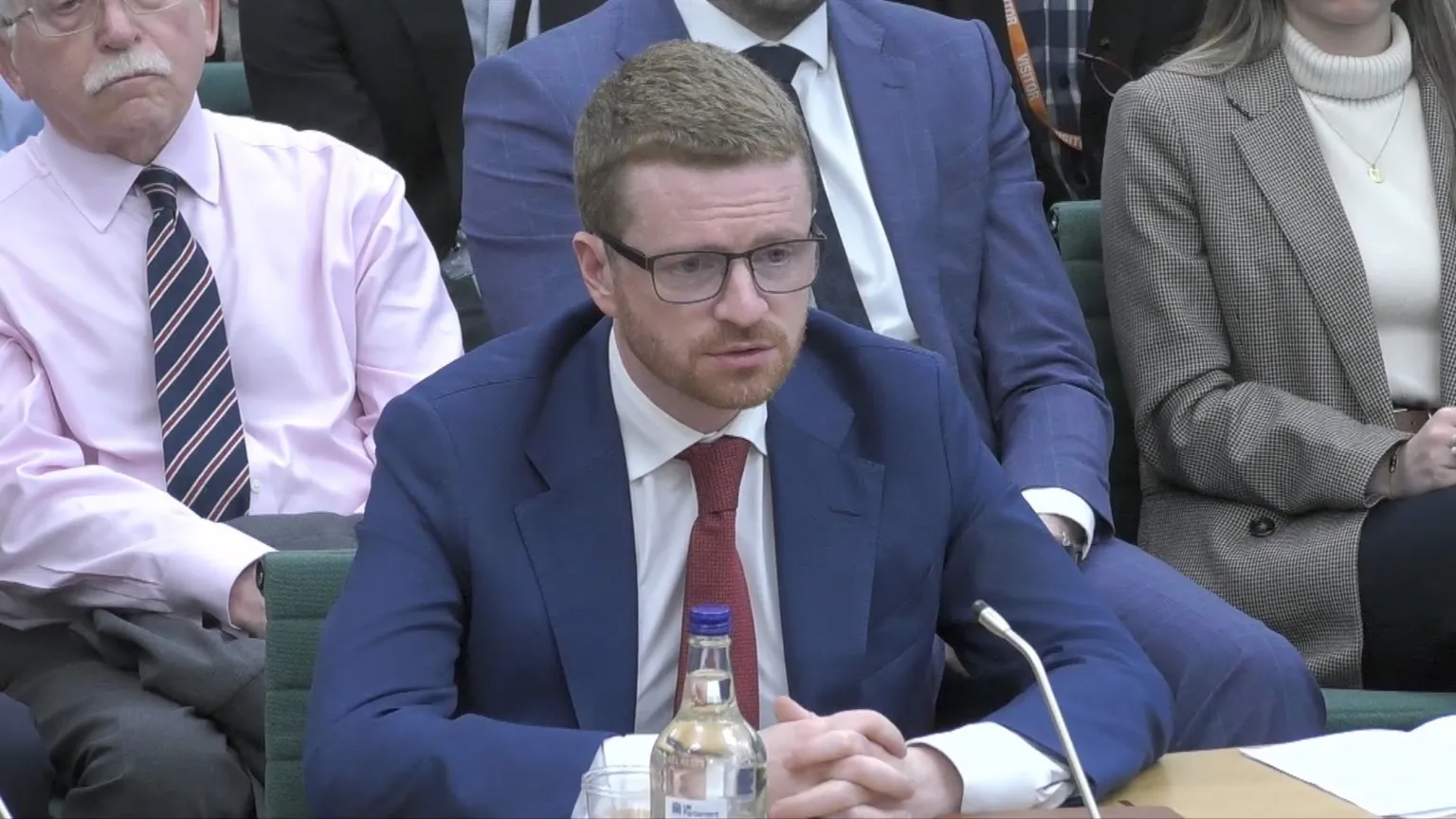
One of the most closely watched moments came when **Health Secretary Wes Streeting** was pressed on whether he intended to mount a leadership challenge against Keir Starmer. Streeting’s decision to remain silent in response to these probing questions speaks volumes about the fragile state of Labour’s internal politics. His non-committal stance has fueled speculation about whether significant figures within the party are contemplating a change in leadership or simply seeking to avoid exacerbating existing tensions.
Streeting’s silence is emblematic of the delicate balancing act many senior Labour figures are currently performing. On one hand, they must manage growing unrest among party members and MPs demanding clearer leadership; on the other, they are cautious not to deepen divisions that could weaken Labour’s position against political opponents. This moment of ambiguity reflects the broader uncertainty surrounding Starmer’s hold on power and the future trajectory of the party.

Labour MPs Push for Clear Leadership Direction Amid Rising Dissent
The pressure on Keir Starmer intensified dramatically as more than 80 Labour MPs publicly called for decisive action. The group demanded that Starmer either resign or provide a transparent timetable outlining his plans for continuing in office. This unprecedented vocal dissent within the parliamentary party reveals deep fractures and signals a growing appetite for change among Labour’s elected representatives.
Such a large faction openly questioning the prime minister’s leadership is a significant development. It highlights the scale of dissatisfaction with Starmer’s performance and the urgency with which many MPs believe the party must address its leadership crisis. This collective demand for clarity and accountability places Starmer in an increasingly precarious position, as failure to respond effectively could trigger a wider leadership contest or further destabilize the party.
The roots of this unrest stem from ongoing debates about Labour’s policy direction, electoral strategy, and responsiveness to grassroots members. For many MPs, the call for either Starmer’s resignation or a clear roadmap is about restoring confidence and demonstrating that the leadership is attuned to the party’s challenges and ambitions.


What This Means for Labour’s Future and UK Politics
The current turmoil within the Labour Party is more than an internal squabble; it has profound implications for the party’s ability to position itself as a credible alternative government. Starmer’s leadership has faced persistent scrutiny since he assumed office, but this latest wave of dissent marks a critical test of his authority and vision.
If Starmer fails to unify his party and address the calls for transparency, Labour risks further fragmentation that could weaken its electoral prospects in upcoming elections. Conversely, a clear and decisive response could help stabilize the party and re-energize its base. The situation also puts a spotlight on the roles senior ministers like Wes Streeting will play in shaping Labour’s future direction, whether through open support, quiet dissent, or eventual leadership bids.
Beyond Labour itself, these developments resonate across the broader UK political landscape. A divided opposition party struggles to hold the government to account effectively, potentially altering the balance of power and influencing policy debates on key national issues.


Looking Ahead: Navigating a Critical Juncture
As Labour confronts this defining moment, the coming weeks will be crucial in determining whether the party can overcome its internal divisions and present a united front. For Prime Minister Keir Starmer, the challenge lies in restoring confidence among his MPs and supporters while articulating a clear and compelling vision for the future.
The intensity of scrutiny from within the party underscores that leadership in modern politics demands not only policy acumen but also the ability to maintain cohesion amid competing interests. How Starmer and his cabinet respond will shape Labour’s trajectory and its role in shaping the UK’s political future.
In this high-stakes environment, every statement, decision, and gesture will be scrutinized for signs of strength or vulnerability. The coming days will reveal whether Labour can transform this moment of crisis into an opportunity for renewal or if it will deepen the fractures threatening the party’s unity.