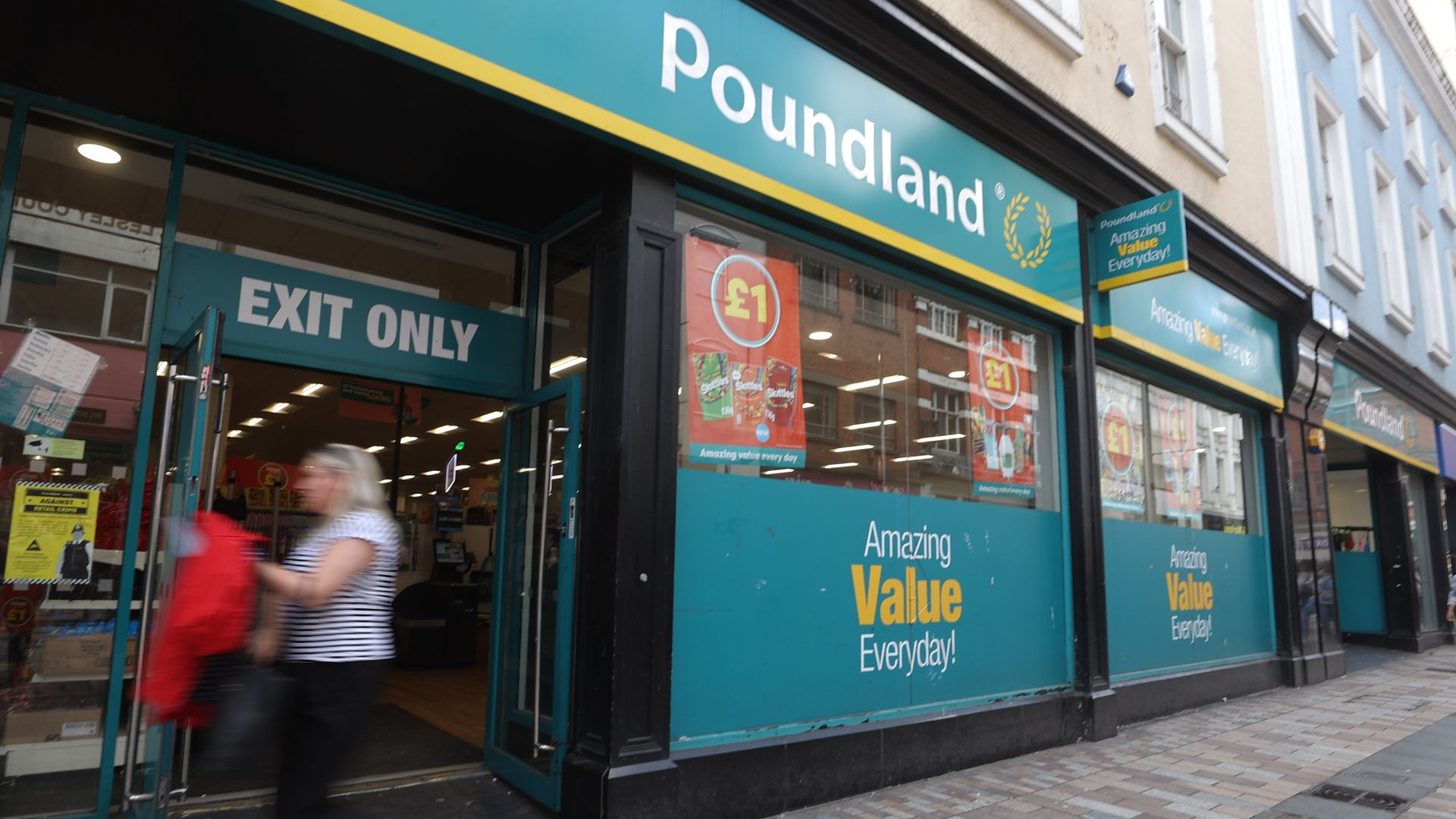
The announcement of Poundland entering administration sent shockwaves through the retail sector, particularly as it came just weeks before the critical Christmas trading period. This outcome, long feared by employees and industry observers alike, marks a significant turning point for the discount retailer and raises urgent questions about its future and the broader retail landscape in the UK.
What Led to Poundland’s Administration?
Poundland’s fall into administration reflects a culmination of challenges that have intensified over recent years. Founded in 1990, the brand built its reputation by offering a wide range of products at the fixed price of £1, appealing to budget-conscious consumers. However, escalating economic pressures significantly altered this dynamic.
Rising inflation, surging supply chain costs, and increased wages contributed to a sharp squeeze on margins. Poundland struggled to maintain its traditional pricing strategy amid these growing expenses. Additionally, the rapid shift toward online shopping and the competitive discount retail market further eroded its market share.
Moreover, energy price hikes and the lingering effects of the COVID-19 pandemic created an inhospitable environment for physical retailers. Many stores experienced reduced foot traffic, and consumers became more selective with their spending. These factors collectively undermined Poundland’s financial stability, eventually leading to insolvency concerns.
The Impact on Employees and the Retail Sector
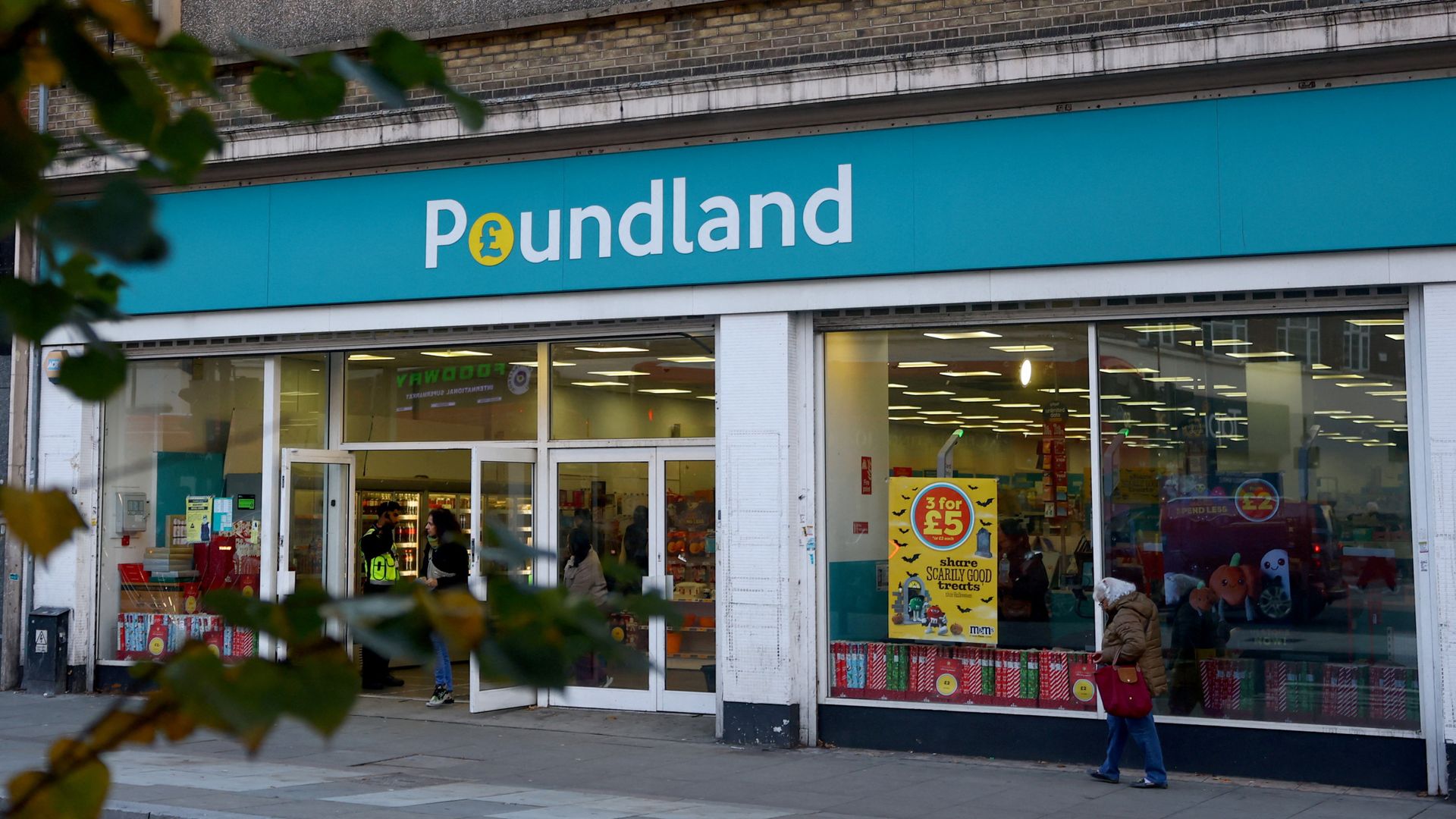
The timing of Poundland’s administration, so close to Christmas, has had a profound impact on its thousands of employees. Staff members faced significant uncertainty over job security during one of the busiest retail periods, a time when many rely on holiday bonuses and increased hours.
The administration process typically involves efforts to restructure or sell parts of the business, but it often results in store closures and layoffs. This development adds pressure on the broader retail employment market, which is already grappling with inflation and economic headwinds.
From a wider perspective, Poundland’s difficulties highlight the fragility of mid-sized discount retailers in the UK. While larger chains may have more resources to weather economic storms, smaller and mid-tier players find it harder to adapt quickly to rapid market changes.
What Comes Next for Poundland and Its Stakeholders?
Entering administration does not necessarily signal the end of Poundland; rather, it initiates a formal process aimed at rescuing viable parts of the business or maximizing returns for creditors. Administrators will assess options including restructuring operations, selling assets, or finding buyers for the chain.
For consumers, the immediate effect may include reduced store availability and changes in pricing or product range. However, the discount retail sector remains a crucial part of the UK economy, especially for low-to-middle income shoppers seeking affordable goods.
Government officials expressed concern over the retailer’s collapse, recognizing its potential ripple effects on employment and local economies. This event underscores the need for policies that support retail resilience, including measures to ease cost pressures on businesses and facilitate digital transformation.
Why Poundland’s Collapse Matters
Poundland’s administration serves as a cautionary tale about the challenges facing traditional brick-and-mortar retailers in an evolving economic environment. With inflationary pressures unlikely to dissipate soon, companies that cannot innovate or adapt their business models risk similar fates.
Furthermore, the case emphasizes the importance of strategic financial management and the ability to pivot swiftly in response to market disruptions. For employees, customers, and investors alike, the situation underscores the volatility inherent in today’s retail sector.
Looking ahead, the resolution of Poundland’s administration will be closely watched as an indicator of the health of the discount retail market and the broader UK economy. The outcome will also influence how other retailers navigate the ongoing economic challenges.
In sum, Poundland’s entry into administration is a stark reminder of the complex pressures facing retailers today. The next steps will determine not only the fate of this iconic brand but also offer insights into the resilience and adaptability required to thrive in a rapidly changing market.